










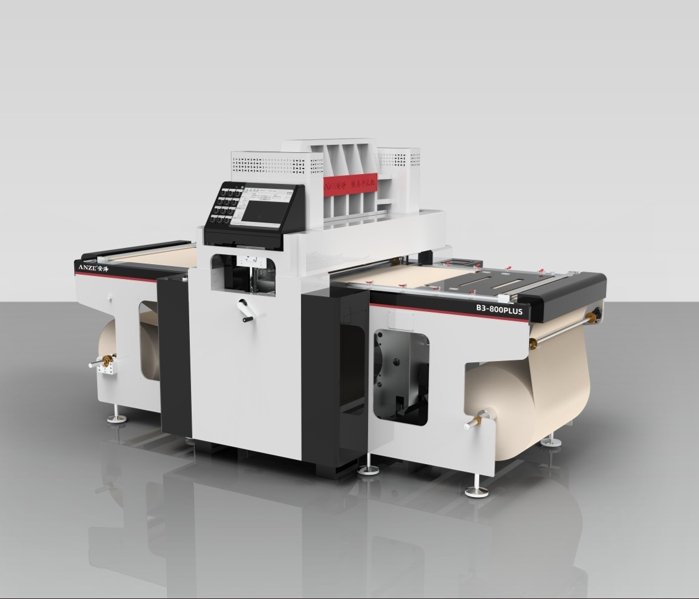
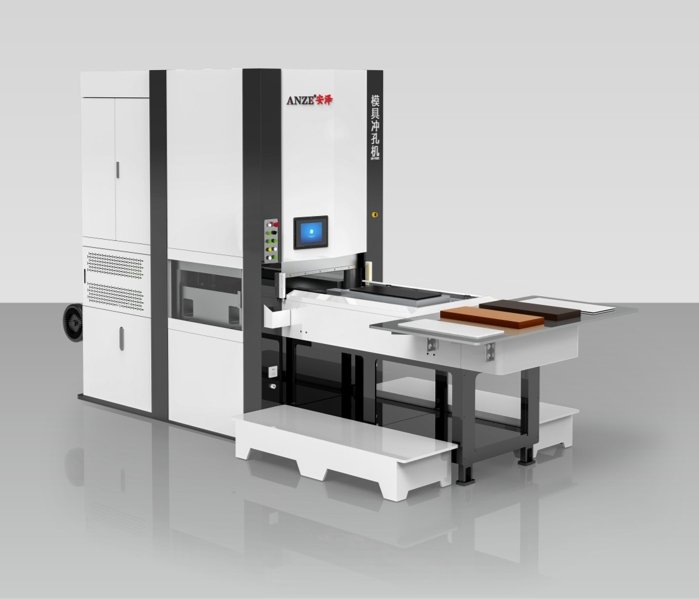
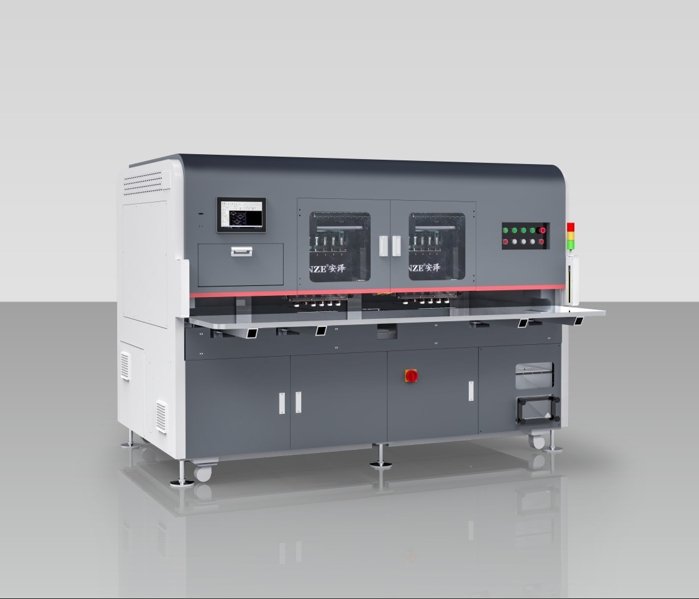
Anze Engineering Solutions for High-Quality Perforation of Automotive Seats, Furniture Leather, and Composite Materials with leather perforation machine
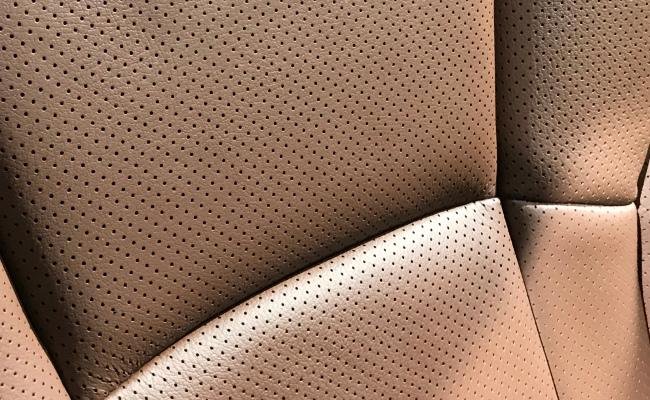
In modern leather processing industries, foam-laminated leather has become one of the most widely used composite materials, especially in automotive interiors, luxury furniture, and high-end upholstery applications.
Foam-laminated leather combines the advantages of multiple layers:
- Premium leather or synthetic leather surface
- Soft foam cushioning layer
- Fabric backing or reinforcement layer
This structure improves:
- Comfort
- Elasticity
- Sound absorption
- Surface softness
- User experience
However, processing foam-laminated leather creates unique challenges that ordinary leather punching equipment cannot always solve.
When punching through leather combined with foam, manufacturers often encounter problems such as:
- Foam collapse around the hole
- Foam compression marks
- Foam sticking to punching needles
- Irregular hole edges
- Incomplete perforation
- Material deformation
- Reduced production efficiency
These issues become more serious during high-speed production.
For automotive seat manufacturers and premium furniture suppliers, maintaining consistent perforation quality is essential.
Um profissional Máquina de perfuração de couro must not only create accurate holes on the leather surface but also protect the internal foam structure.
As a professional Fabricante de máquina de perfuração de couro with more than 20 years of experience, Anze has developed more than 20 models of leather punching equipment and provided customized perforation solutions for automotive interiors, furniture leather, and flexible materials.
Through continuous engineering improvements, Anze helps customers solve foam-laminated leather processing challenges by optimizing:
- Punching structure
- Needle design
- Processing parameters
- Cooling systems
- Material positioning methods
This article explains why foam-laminated leather is difficult to perforate and how advanced Máquina de perfuração de couro technology can prevent foam collapse and needle sticking problems.
Understanding Foam-Laminated Leather Structure Before Perforation
To solve perforation problems, it is important to understand the structure of foam-laminated leather.
A typical composite leather structure includes:
1. Surface Leather Layer
The top layer provides:
- Appearance
- Texture
- Color
- Wear resistance
It is the visible surface of the final product.
2. Foam Layer
The middle foam layer provides:
- Maciez
- Cushioning effect
- Comfort
Common foam materials include:
- PU foam
- EVA foam
- Memory foam materials
3. Backing Fabric Layer
The bottom layer provides:
- Structural support
- Tensile strength
- Estabilidade dimensional
When a punching needle passes through these three layers, each material reacts differently.
The leather surface requires a clean cutting action.
The foam requires controlled compression.
The backing layer requires sufficient penetration force.
This makes foam-laminated leather much more complex than single-layer leather processing.
Why Foam Collapse Happens During Leather Perforation Machine Operation
Foam collapse is one of the most common problems when processing laminated leather.
It occurs when the foam structure cannot recover after being compressed by the punching process.
1. Excessive Punching Pressure
During perforation, the needle applies force to penetrate the material.
If the pressure is too high:
- Foam cells may be crushed
- The area around the hole may become flat
- Cushioning performance may decrease
Um profissional Máquina de perfuração de couro must balance penetration force and material protection.
2. Incorrect Needle Geometry
The punching needle design directly affects foam deformation.
A poorly designed needle may:
- Push material downward
- Compress foam excessively
- Create rough hole edges
Anze engineers optimize needle geometry according to:
- Leather thickness
- Foam density
- Lamination structure
3. Improper Speed Settings
High-speed production requires precise parameter control.
If punching speed is too high:
- Foam recovery time decreases
- Material vibration increases
- Hole quality becomes unstable
A CNC-controlled CNC perforating leather machine allows operators to adjust speed according to material characteristics.
Why Foam Sticks to Punching Needles During Production
Another major problem is foam adhesion.
During continuous operation, foam particles or melted material may stick to needles.
This can cause:
- Blocked punching needles
- Poor hole quality
- Increased maintenance frequency
- Production downtime
Main Causes of Needle Sticking
1. Heat Generation During High-Speed Punching
Friction between needles and foam creates heat.
Excessive temperature may cause:
- Foam softening
- Material melting
- Adhesion to needles
2. Foam Material Characteristics
Different foam materials have different behaviors.
For example:
- Soft PU foam may deform easily
- High-density foam requires more punching force
- Special cushioning materials may generate more friction
3. Insufficient Needle Surface Treatment
Needle surface quality affects material adhesion.
Professional punching equipment requires:
- Smooth needle surfaces
- Proper hardness
- Suitable coatings
How Anze Leather Perforation Machine Prevents Foam Collapse
Anze engineers develop equipment solutions based on real production challenges.
The following technologies help maintain stable perforation quality.
1. Optimized Punching Force Control
A high-quality Máquina de perfuração de couro must provide accurate force control.
Anze machines optimize:
- Punching pressure
- Mechanical movement
- Cycle timing
This prevents unnecessary compression of foam layers.
2. Customized Punching Needles for Composite Leather
Different materials require different needle solutions.
Anze provides customized needle designs considering:
- Diameter
- Tip angle
- Cutting structure
- Surface treatment
The correct needle design helps achieve:
- Clean holes
- Reduced resistance
- Less foam deformation
3. Precision Material Fixing System
Material movement during punching can damage foam structure.
Anze equipment uses precise positioning systems to ensure:
- Stable material placement
- Reduced vibration
- Accurate hole location
This is especially important for:
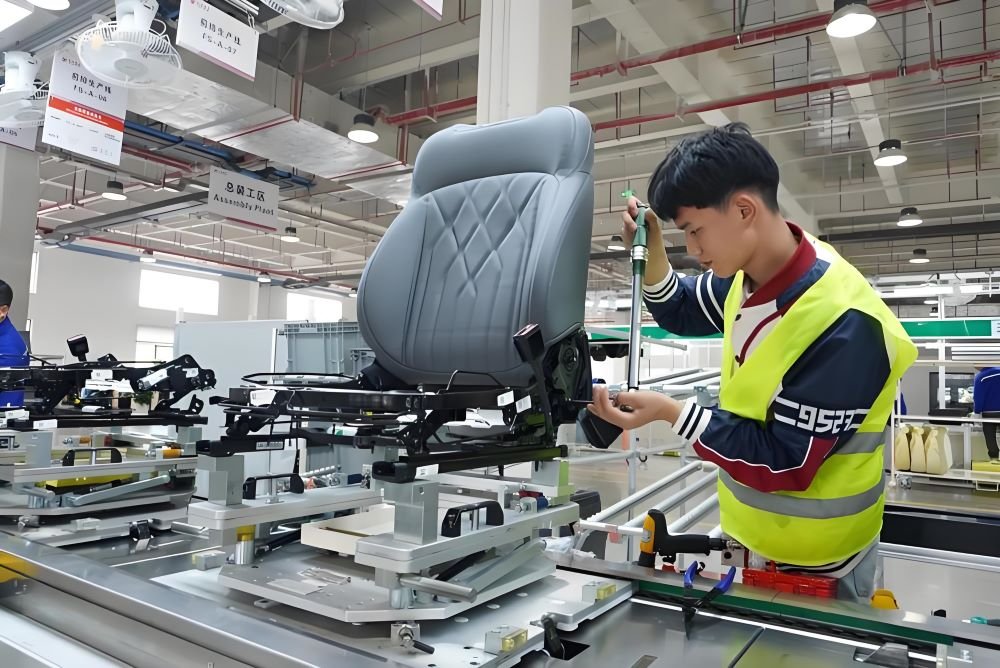
- Automotive seat covers
- Large leather panels
- Luxury furniture leather
4. Temperature Management System
Since heat contributes to foam sticking, temperature control is important.
Anze designs solutions that help:
- Reduce friction heat
- Improve continuous operation stability
- Protect punching components
CNC Perforating Leather Machine Advantages for Foam-Laminated Materials
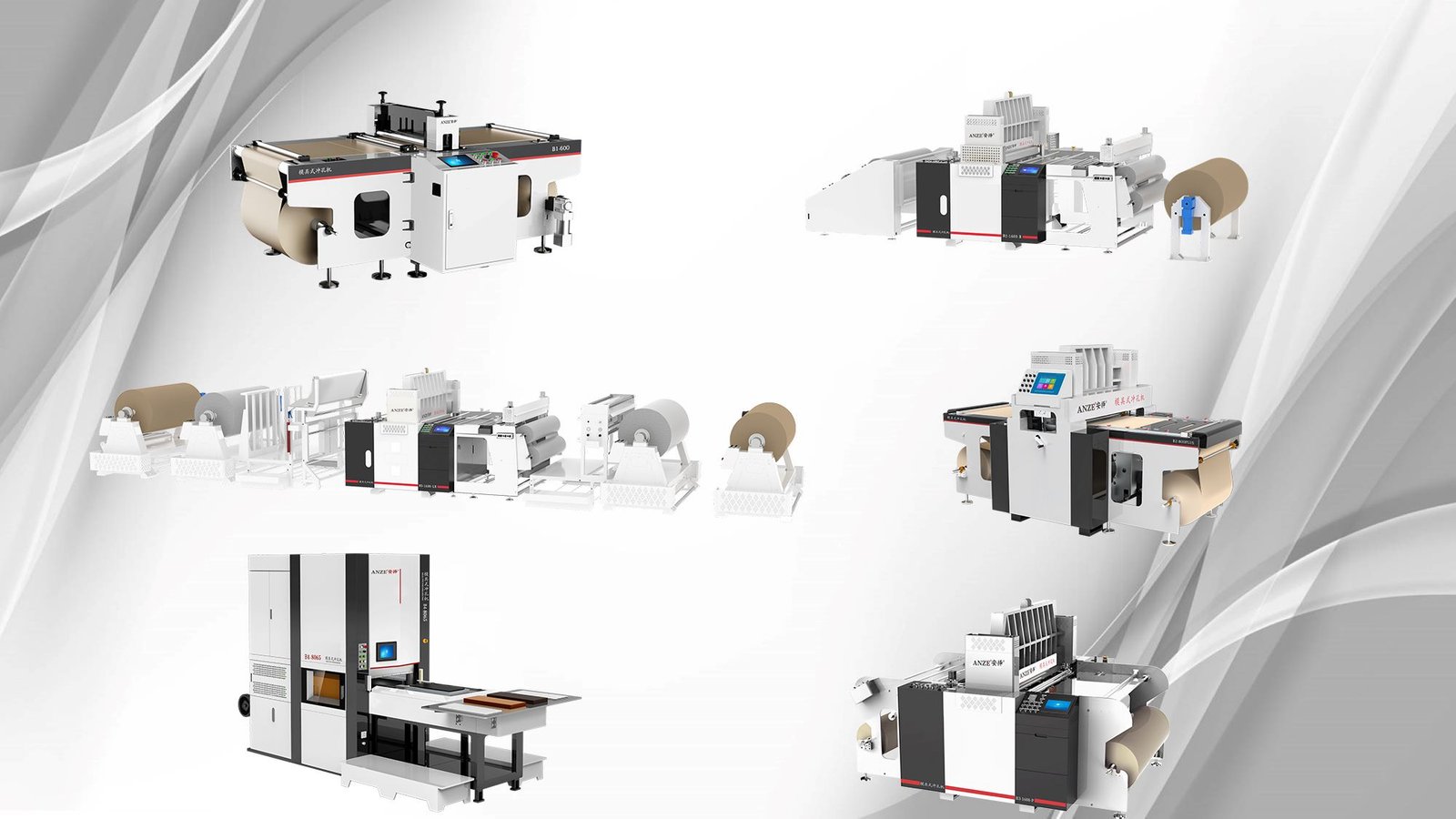
A CNC perforating leather machine provides additional advantages when processing complex laminated materials.
Flexible Parameter Adjustment
Different materials require different settings.
CNC systems allow adjustment of:
- Punching speed
- Position accuracy
- Design de padrões
- Processing sequence
Better Quality Consistency
Digital control ensures:
- Same hole pattern
- Same spacing
- Same processing quality
This is critical for automotive OEM suppliers.
Suitable for Customized Designs
Modern customers increasingly require:
- Special ventilation patterns
- Decorative perforation
- Customized interiors
CNC technology provides greater flexibility.
Applications of Foam-Laminated Leather Perforation
Automotive Seat Manufacturing
This is one of the largest applications.
Foam-laminated leather is widely used for:
- Car seats
- Luxury vehicle interiors
- Ventilated seat covers
The perforation process must maintain:
- Comfort
- Appearance
- Airflow performance
Automotive Interior Panels
Applications include:
- Dashboard materials
- Painéis de porta
- Decorative trim
These applications require extremely stable perforation quality.
Luxury Furniture Manufacturing
Foam-laminated leather is commonly used in:
- Sofás
- Cadeiras de escritório
- Premium seating products
Manufacturers need consistent appearance and softness.
Comparing Traditional Punching Methods and Advanced Leather Perforation Machine Solutions
Traditional Mechanical Punching
Vantagens:
- Estrutura simples
- Suitable for fixed patterns
Desafios:
- Less flexible
- More difficult parameter adjustment
- Higher risk for complex materials
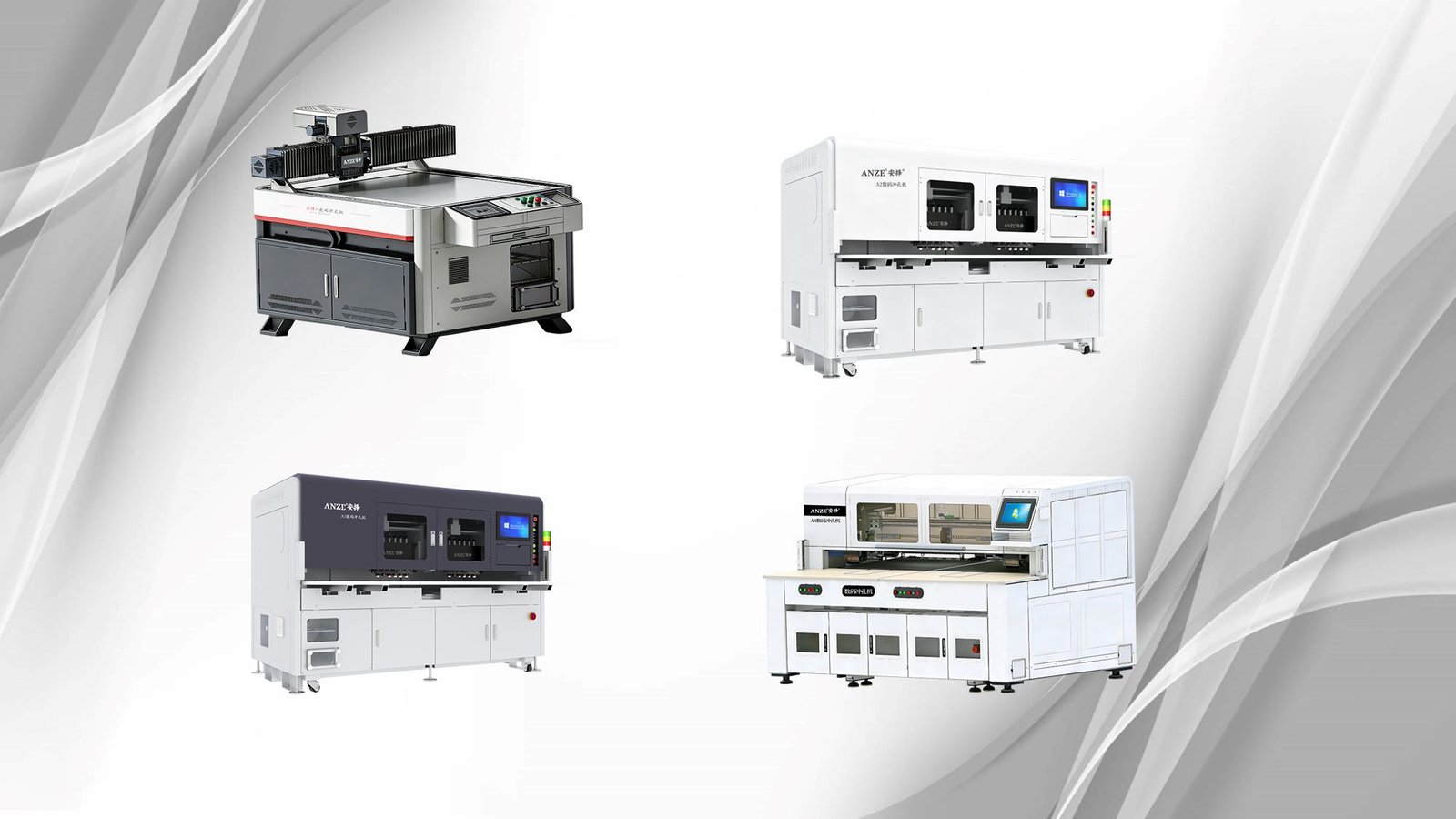
Modern CNC Leather Perforation Machine
Vantagens:
- Digital control
- Flexible patterns
- Better consistency
- Suitable for composite materials
This makes CNC solutions increasingly popular among premium manufacturers.
How Anze Helps Customers Optimize Foam-Laminated Leather Production
Anze does not only provide machines.
We provide complete technical solutions.
Our engineering process includes:
Material Testing
Before production, Anze engineers analyze:
- Leather type
- Foam thickness
- Foam density
- Lamination method
Process Optimization
Parameters are adjusted according to:
- Hole design
- Production speed
- Quality requirements
Production Support
Anze provides:
- Machine installation guidance
- Treinamento de operadores
- Technical support
Why Choose Anze as Your Leather Perforation Machine Manufacturer?
With 20 years of experience, Anze has developed professional expertise in leather processing technology.
Our advantages include:
Extensive Industry Experience
We serve:
- Automotive suppliers
- Furniture manufacturers
- Leather processing factories
- Equipment distributors
More Than 20 Self-Developed Machines
Our solutions include:
- Máquina de perfuração de couro
- Leather perforating machine
- CNC perforating leather machine
- Automated punching systems
Customized Solutions
Every material is different.
Anze provides customized solutions according to:
- Product requirements
- Material structure
- Production volume
- Quality standards
Future Development of Foam-Laminated Leather Processing Technology
As automotive and furniture industries continue to demand higher-quality interiors, leather processing technology is becoming more intelligent.
Future trends include:
- AI quality inspection
- Smart parameter adjustment
- Automated material recognition
- Digital production management
Advanced Máquina de perfuração de couro technology will continue helping manufacturers improve efficiency and quality.
What do A professional leather perforation machine provide
Punching through foam-laminated leather requires more than simply creating holes.
Manufacturers must control:
- Foam deformation
- Needle adhesion
- Heat generation
- Hole quality
- Production stability
Um profissional Máquina de perfuração de couro provides the precision and control required for these challenging materials.
Through optimized mechanical design, customized punching solutions, and advanced CNC technology, Anze helps customers solve common problems such as foam collapse and needle sticking.
Como um experiente Fabricante de máquina de perfuração de couro, Anze provides complete solutions for automotive interiors, furniture leather, and flexible material processing industries worldwide.
With reliable Máquina de perfuração de couro technology and professional engineering support, Anze helps manufacturers achieve cleaner perforation results, higher production efficiency, and more stable product quality.
Com uma equipe experiente e qualificada, dominamos as características de diversos materiais e as tecnologias de processamento, sendo capazes de personalizar máquinas de perfuração de couro de acordo com as necessidades do cliente. Em caso de dúvidas, entre em contato conosco! WhatsApp: +86 180 0298 0031
Como instalar e fazer a manutenção da máquina?
Alguns modelos são enviados montados na fábrica. Equipamentos grandes são embalados em várias partes e um manual de instalação é fornecido. Todos os equipamentos são equipados com manuais do usuário em chinês e inglês.
Os clientes podem enviar alguém à fábrica da Anze para aprender ou nós enviamos especialistas técnicos para fornecer treinamento no local
Quais são os requisitos do ambiente de trabalho da máquina?
O Máquina de perfuração de couro CNC deve ser fixado em uma mesa estável e o ambiente deve ser mantido limpo e organizado para evitar o contato com poeira, eletricidade estática, umidade e cavacos que possam causar falhas nas peças.
Como são suas políticas de pós-venda?
Temos uma equipe de pós-venda experiente, serviço on-line 24 horas e um sistema de pós-venda completo. Suporte de treinamento na fábrica, vídeo técnico disponível para manutenção de máquinas no exterior. suporte, suporte on-line, engenheiros.
Você está disponível para convites no local?
É claro que estamos à disposição para visitar nossa empresa e nos comunicarmos pessoalmente para promover negócios mútuos.
Qual é o prazo de entrega?
O prazo de entrega varia de acordo com a quantidade e a personalização do pedido, geralmente de 7 a 10 dias úteis. Se o pedido for de uma máquina de perfuração de couro personalizada, levará de 1 a 2 meses.