










Last Updated on 2025-12-05 by 안제
1. Introduction to Micro Perforation in Leather and Microfiber Processing
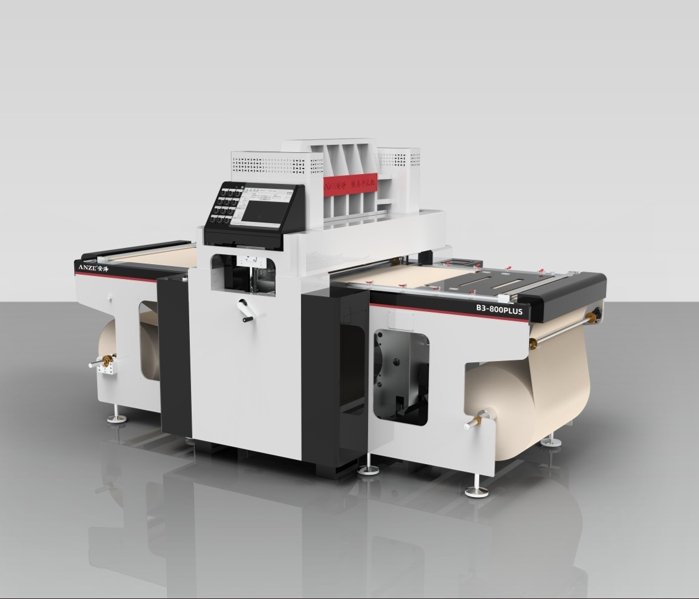
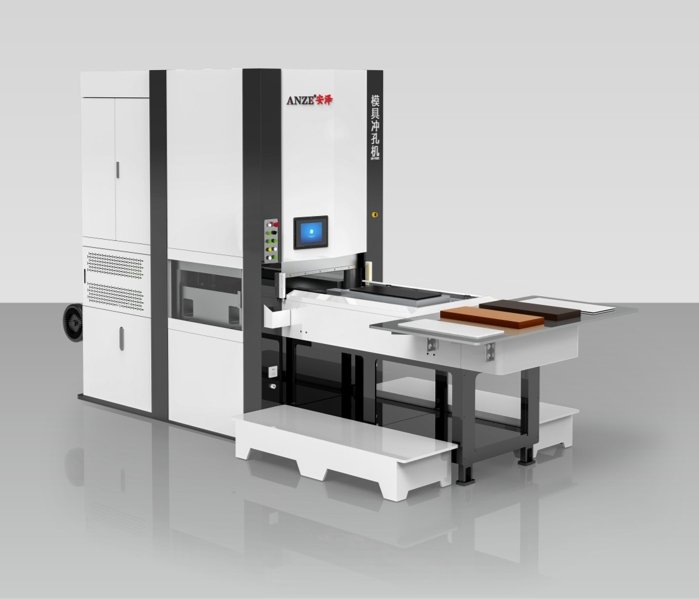
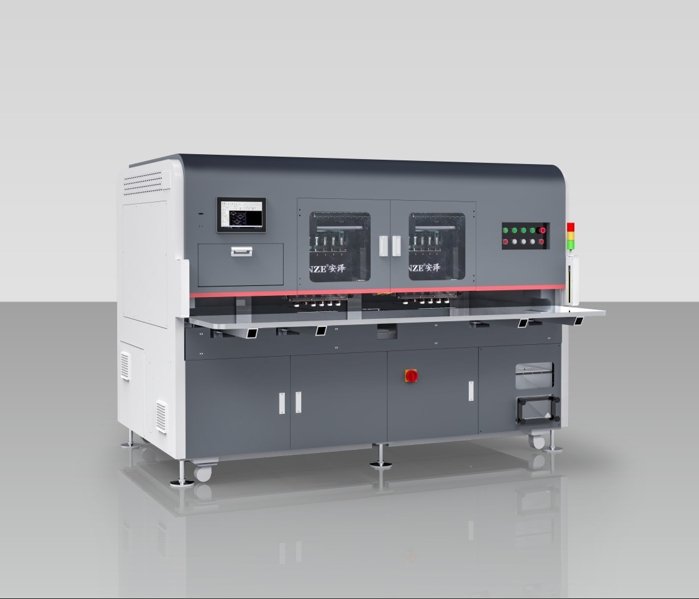
Micro perforation has become a mission-critical process in modern leather and microfiber manufacturing. Automotive interiors, premium footwear, luxury bags, furniture upholstery, and high-end electronics all require materials with controlled airflow, acoustic performance, and aesthetic micro-patterning.To achieve this level of precision, manufacturers rely on a micro perforation machine — a specialized production system engineered for ultra-small, high-density perforation patterns on leather and microfiber substrates.
Anze, with 20 years of experience developing leather perforation equipment and more than 20 successful machine models, is recognized as one of the most mature technology providers in the global perforation sector.
2. What is a Micro Perforation Machine?
A micro perforation machine is a precision punching or laser-processing system designed to create extremely small, consistent holes in flexible materials such as:
Natural leather
Microfiber leather
PU and synthetic leather
Automotive interior composites
Upholstery materials
Fashion-grade microfibers
The typical hole diameter produced by a micro perforation machine ranges between:
0.3 mm – 1.0 mm for leather
0.15 mm – 0.8 mm for microfiber
These micro holes improve ventilation, reduce material stiffness, enhance acoustic absorption, and create visually refined surfaces for premium consumer products.
3. Why Micro Perforation Matters in Modern Manufacturing
Micro perforation is not merely an aesthetic technique. It delivers structural and functional benefits:
3.1 Ventilation Performance
Uniform micro holes significantly increase airflow, enabling:
Cooler automotive seat surfaces
Breathable footwear linings
Comfortable bag straps and cushions
3.2 Acoustic Absorption
Perforated leather improves cabin acoustics in cars, reducing echo and noise.
3.3 Weight Reduction
Micro-perforated surfaces reduce material density without weakening structural integrity.
3.4 Precision Aesthetics
Luxury brands use micro patterns to differentiate premium product lines.
These benefits require a high-accuracy micro perforation machine engineered for reliable industrial operation.
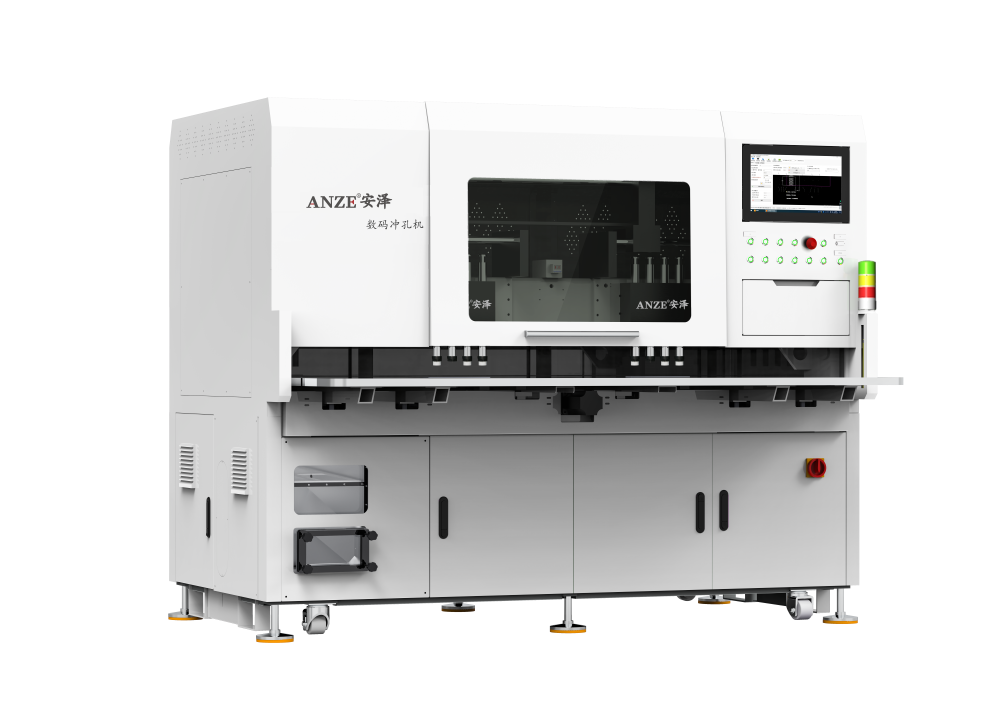
4. Engineering Requirements for a High-Performance Micro Perforation Machine
A professional-grade micro perforation machine must meet strict engineering specifications:
4.1 Punching or Laser Precision
Hole diameter tolerance: ±0.02–0.05 mm
Edge smoothness: No burning, tearing, or fiber uplift
4.2 Material Stability Controls
Leather tension control system
Microfiber anti-stretch alignment modules
Servo-synchronized feeding motors
4.3 Industrial Productivity
Continuous operation
High-speed pattern switching
Low downtime and low tool wear
4.4 Digital Pattern Programming
CAD pattern input
Custom micro-pattern generation
Repeatability for mass production
These engineering foundations determine the reliability of the micro perforation process.
5. Types of Micro Perforation Machine Technologies
Modern manufacturing uses three primary perforation technologies.
5.1 Mechanical Micro Punching
Mechanical systems utilize custom micro punching dies:
장점:
High pattern uniformity
Excellent hole edge quality
Long-term low operating cost
Stable for thick leather
Disadvantages:
Requires periodic die replacement
Limited to predefined hole geometries
This method is ideal for automotive seats, bags, shoes, and furniture.
5.2 Laser Micro Perforation
Laser perforation uses precise beam control to vaporize micro holes.
장점:
Flexible hole shapes and patterns
Zero die changeover time
Suitable for ultra-thin microfibers
Disadvantages:
Potential heat burn marks
Slower for large-area punching
Higher energy cost
This technique is often used for fashion microfiber and electronics leather panels.
5.3 Hybrid Micro Perforation Machines
Hybrid systems include both mechanical punching and laser tools.
장점:
Full design flexibility
Optimized for premium surface finishing
Reduced process limitations
This is the direction many global OEMs are moving toward.

6. Step-by-Step Process: How a Micro Perforation Machine Works
Step 1 — Material Preparation
Humidity level 40–60%
Flatness guaranteed within tolerance
No surface wax residue
Step 2 — Loading & Alignment
Servo-feeding systems adjust material tension
Vision sensors ensure positional accuracy
Step 3 — Pattern Programming
CAD files define:
Hole shape
Hole spacing
Density
Direction
Step 4 — Micro Perforation Execution
Depending on machine type:
Punching dies strike the surface
Laser beams micro-vaporize holes
Step 5 — Extraction & Waste Removal
Micro-dust suction
Waste-particulate filtration
Step 6 — Quality Inspection
AI vision measurement
Sample tensile test
Hole uniformity evaluation
Step 7 — Final Output & Cutting
Rolls or sheets
Ready for sewing or lamination
This controlled sequence ensures consistent industrial results.
7. Key Technical Parameters of a Micro Perforation Machine
| Parameter | Typical Range | Engineering Notes |
|---|---|---|
| Hole Diameter | 0.15–1.0 mm | Depends on material |
| Speed | 50,000–180,000 holes/min | Based on pattern density |
| Tolerance | ±0.02–0.05 mm | Critical for automotive |
| Feeding Accuracy | ±0.1 mm | Servo-controlled |
| Punch Life | 1–5 million cycles | Material hardness dependent |
| Laser Power | 100–600W | Microfiber optimized |
These parameters determine machine capability in mass production.
8. Material Considerations: Leather vs Microfiber
8.1 Natural Leather
Variable fiber density
Sensitive to heat
Risk of burn marks or cracks
Best method: Mechanical micro punching
8.2 Microfiber Leather
균일 밀도
Heat-resistant in controlled range
Designed for high-end interiors and footwear
Best method: Laser or hybrid micro perforation
9. Engineering Challenges in Micro Perforation & How Machines Solve Them
Challenge 1: Leather Stretching
Solution: Servo-tension system
Challenge 2: Hole Angle Deviation
Solution: Automatic alignment correction
Challenge 3: Surface Burn (Laser)
Solution: Controlled pulse energy + cooling
Challenge 4: Die Wear
Solution: High-hardness tungsten dies
A professional micro perforation machine integrates solutions into its core structure.
10. Application Scenarios for Micro Perforation Machines
10.1 Automotive Interiors
Seats
Steering wheel covers
Door panels
Acoustic components
10.2 Footwear
Sneaker uppers
Athletic liners
Leather ventilation systems
10.3 Luxury Bags & Accessories
Designer bag panels
Straps
Wallets
10.4 Furniture & Upholstery
Sofas
Office chairs
Home seating
10.5 Consumer Electronics Leather
Smart speaker covers
Laptop and tablet cases
Each industry requires specific micro-pattern designs.
11. Quality Inspection Standards for Micro Perforation
11.1 Hole Diameter Deviation
Must meet ±0.02–0.05 mm tolerance.
11.2 Hole Roundness
No oval deformation.
11.3 Color Consistency
No discoloration on laser-processed microfiber.
11.4 Material Integrity
Leather tear-resistance must remain within acceptable range.
11.5 Air Permeability Testing
Measured using airflow test systems.
A micro perforation machine must support high repeatability across thousands of meters.
12. How AI Vision Systems Improve Micro Perforation Accuracy
Modern micro perforation machines increasingly use:
Real-time camera inspection
Pattern deviation detection
Automatic correction algorithms
AI-guided feeding alignment
These systems ensure almost zero scrap during mass production.
13. Advantages of Anze’s Micro Perforation Machine
Anze integrates over 20 years of industry expertise into our machines:
13.1 High-Speed Industrial Operation
Optimized for continuous factory use.
13.2 Ultra-Precise Pattern Control
Patent-grade feeding & servo algorithms.
13.3 Compatibility with Leather and Microfiber
Designed for multi-material versatility.
13.4 Low Maintenance
High-durability components reduce downtime.
13.5 Custom Engineering
Anze provides OEM customization for automotive and luxury brands worldwide.
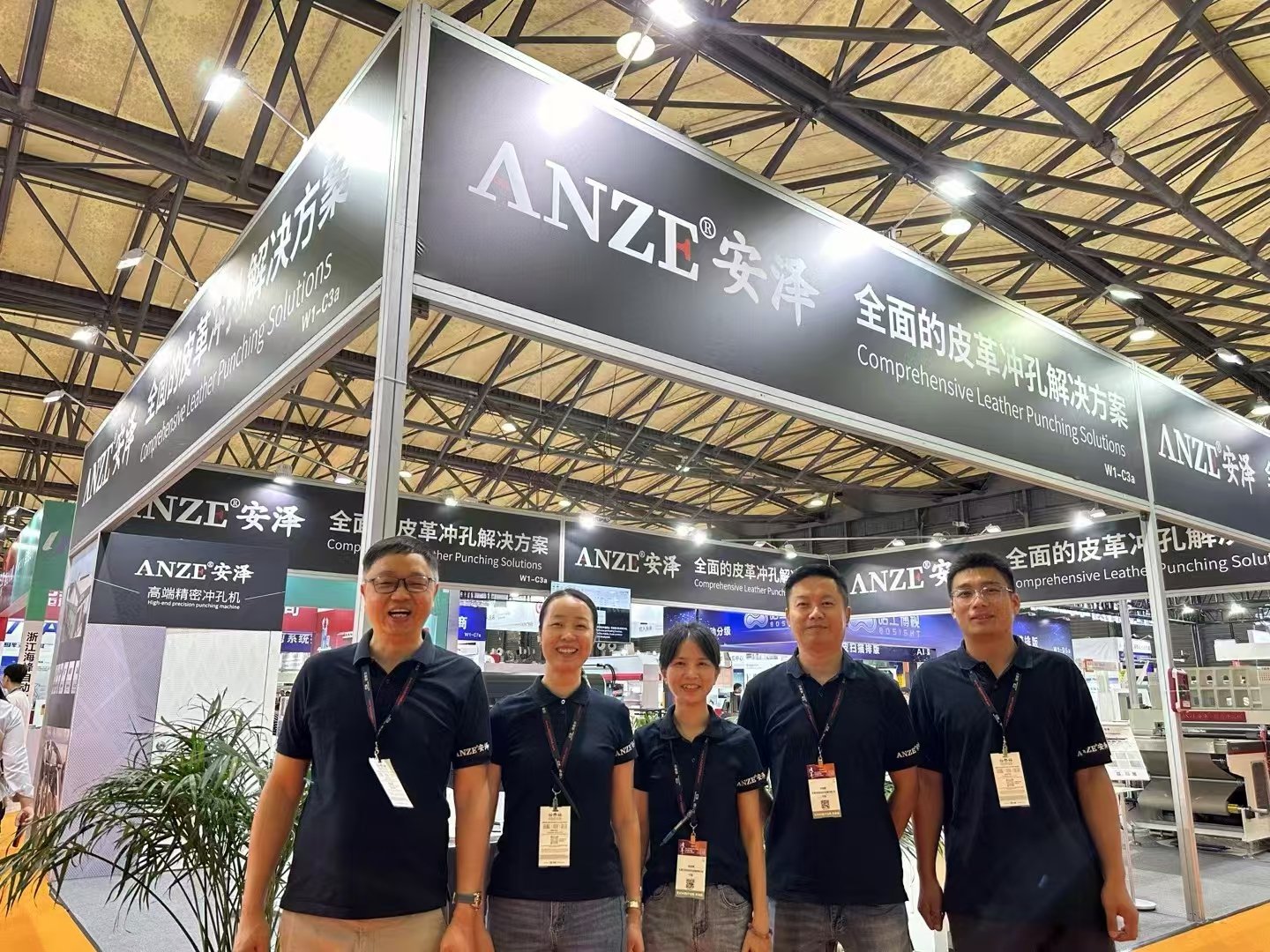
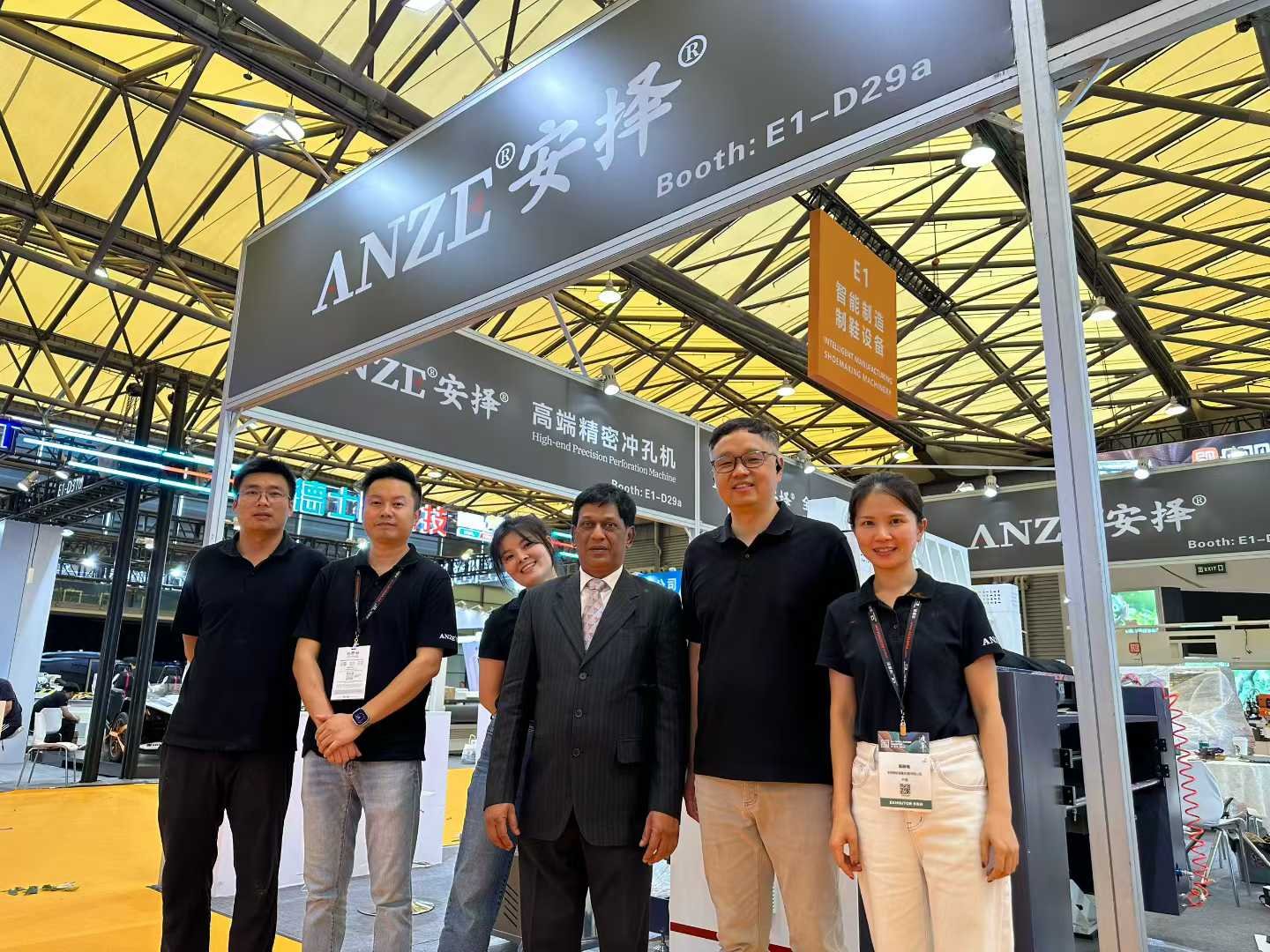
14. Why Global Manufacturers Choose Anze
Mature technology
Professional pre-sales engineering support
Global export experience
Reliable remote diagnostics
Proven machine lineup (20+ models)
Anze’s micro perforation machine is trusted in automotive, footwear, bag, and furniture sectors.
Micro perforation is a precision engineering process essential to modern leather and microfiber manufacturing
Micro perforation is a precision engineering process essential to modern leather and microfiber manufacturing. A high-quality micro perforation machine ensures stable production, refined appearance, and consistent performance across industries.
With decades of innovation, Anze provides an advanced and reliable solution for global manufacturers seeking excellence in micro-perforated materials.
당사는 풍부한 경험과 숙련된 기술을 갖춘 팀을 바탕으로 다양한 소재의 특성과 가공 기술을 깊이 이해하고 있으며, 고객의 요구 사항에 맞춰 가죽 타공기를 맞춤 제작해 드립니다. 문의 사항이 있으시면 언제든지 연락해 주십시오! WhatsApp: +86 180 0298 0031
장비의 설치 및 유지보수 방법은 무엇입니까?
일부 모델은 공장에서 조립된 상태로 출고됩니다. 대형 장비는 여러 부품으로 나누어 포장되며 설치 설명서가 함께 제공됩니다. 모든 장비에는 중국어 및 영어로 된 사용자 설명서가 포함되어 있습니다.
고객이 Anze 공장으로 인원을 보내 교육을 받게 하거나, 당사가 기술 전문가를 파견하여 현장 교육을 제공할 수 있습니다.
장비의 작업 환경 요건은 무엇입니까?
그만큼 CNC 가죽 펀칭기 기계는 안정적인 테이블 위에 고정해야 하며, 먼지, 정전기, 습기 및 칩과의 접촉으로 인한 부품 고장을 방지하기 위해 주변 환경을 깨끗하고 정돈되게 유지해야 합니다.
판매 후 서비스(A/S) 정책은 어떻게 되나요?
당사는 24시간 온라인 서비스를 제공하는 경험 많은 애프터서비스 팀과 완벽한 애프터서비스 시스템을 갖추고 있습니다. 공장 교육 지원, 해외 기계 서비스 지원을 위한 비디오 기술 지원, 온라인 지원, 엔지니어 지원 등을 제공합니다.
즉석에서 초대를 수락하실 수 있나요?
물론 저희 회사를 방문하셔서 직접 만나 뵙고 상호 사업 발전을 도모하시는 것을 환영합니다.
배송 기간은 얼마나 걸리나요?
제작 기간은 주문 수량 및 맞춤 제작 여부에 따라 다르며, 일반적으로 7~10 영업일이 소요됩니다. 가죽 펀칭기 맞춤 제작 주문의 경우 1~2개월이 소요됩니다.