










Last Updated on 2025-12-19 by 안제
Why the 가죽 펀칭기 Industry Is Evolving Faster Than Ever?
The global market for precision leather processing has grown rapidly as industries demand higher perfection, higher productivity, and lower defect rates. In sectors such as automotive interiors, luxury fashion, footwear, upholstery, and furniture manufacturing, perforated leather and shaped leather parts have become standard design elements. To support this growth, the 가죽 타공기 has evolved from a simple mechanical tool into a high-speed, digitally controlled, automated processing solution.
For more than 20 years, ANZE has been a leading manufacturer specializing in the design and production of leather punching machines. Through extensive research, engineering refinement, and collaboration with global brands, ANZE has developed more than twenty bestselling leather punching machine models that serve a wide range of materials—genuine leather, microfiber leather, fabrics, soft composites, and innovative flexible materials.
This article provides an in-depth technical exploration of the 가죽 타공기—its structure, working principles, industrial applications, and the advanced innovations pioneered by ANZE.
1. What Is a Leather Punching Machine?
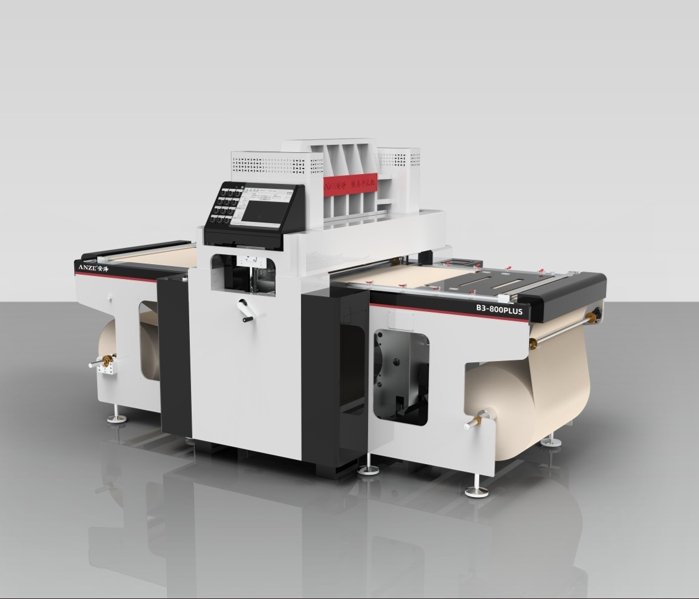
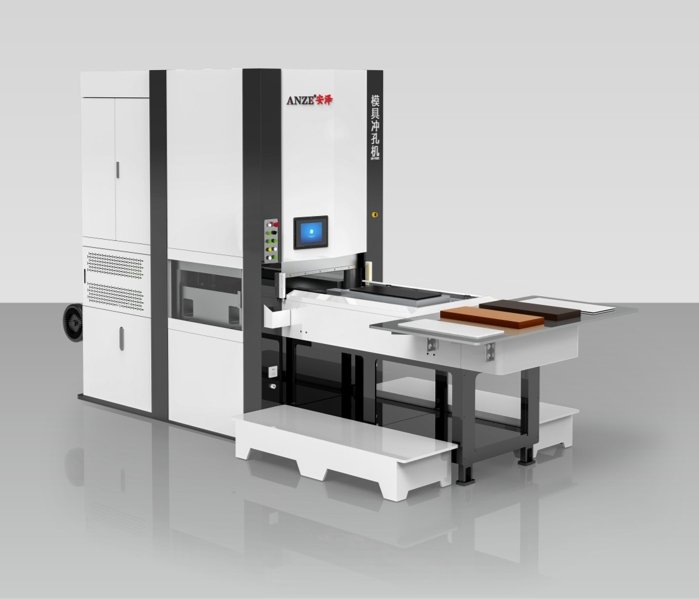
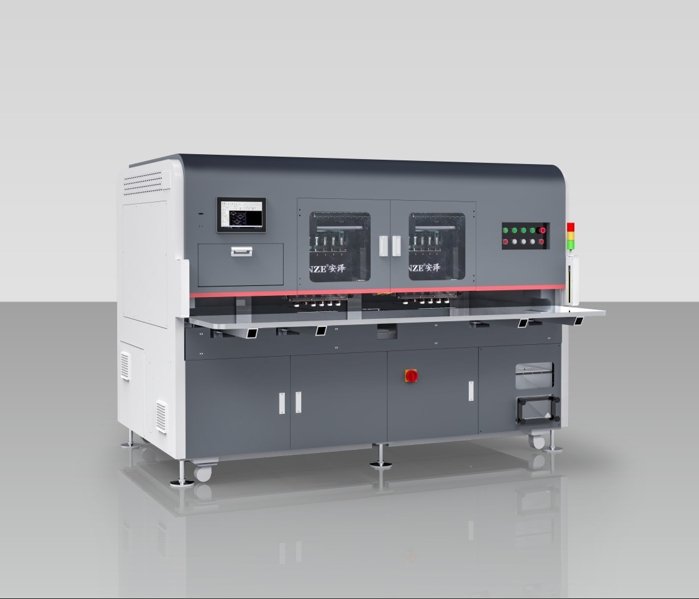
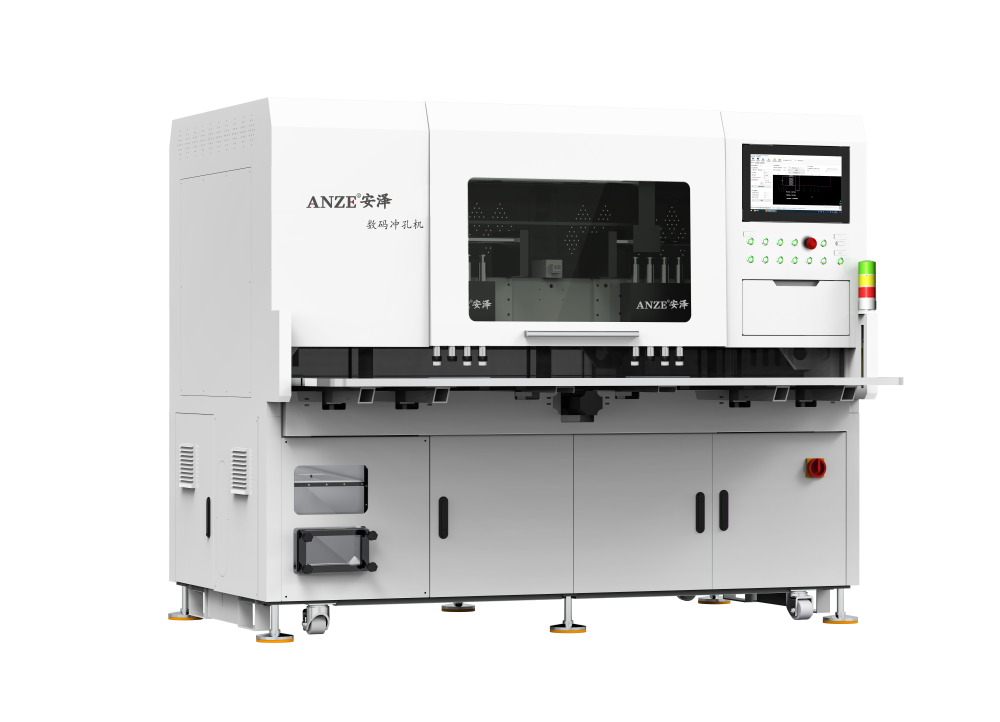
A 가죽 타공기 is a specialized industrial machine designed to create holes, patterns, or custom shapes on leather and flexible materials. It operates using mechanical, pneumatic, or servo-driven punching forces to achieve precise perforation at high speed. Unlike manual punching or simple stamping devices, modern leather punching machines support continuous feeding, digital pattern control, and near-zero tolerance dimensional accuracy.
가죽 펀칭기의 주요 기능
환기구 제작
장식용 패턴 만들기
봉제용 구조적 펀치 패턴 제작
자동차 인테리어 부품 준비
통기성 및 유연성 향상
소음 저감 또는 공기 흐름 제어를 위한 미세 구멍 타공
균일하거나 복잡한 기하학적 배열 생성하기
A high-quality 가죽 타공기 ensures stable performance, consistent perforation, and optimal edge quality without burning, tearing, or distortion.
2. Why ANZE Leads the Leather Punching Machine Market
ANZE has been deeply committed to precision punching technologies since its founding. With more than 20 years of manufacturing experience, ANZE has successfully developed a complete ecosystem of 가죽 타공기 solutions.
ANZE’s Competitive Advantages
2.1 Extensive R&D and Engineering Expertise
ANZE operates integrated development labs where mechanical engineers, automation specialists, and software designers collaborate on continuous innovation.
2.2 More than Twenty Bestselling Machine Models
Over two decades, ANZE has engineered dozens of models of 가죽 타공기 equipment, including:
Rotary punching machines
Flatbed punching machines
Servo-driven micro-perforation machines
Large-format continuous punching systems
Automatic leather punching machine models for mass production
2.3 Focus on Flexible Material Processing
ANZE machines are engineered for:
Genuine leather
Microfiber leather
Fabric
TPU film
Soft composite sheets
Synthetic leather
Foam-laminated materials
This versatility allows manufacturers to expand production without changing core equipment.
2.4 Global Client Base
ANZE’s leather punching machine technology is used by manufacturers in:
Automotive interiors
Footwear
Luxury goods
Home furniture
Industrial composites
ANZE machines are known for reliability, long service life, and stable high-speed output.

3. How a Leather Punching Machine Works
Understanding the working mechanism is essential for selecting the right machine.
3.1 Punching Principle
A 가죽 타공기 uses force generated by a servo motor, hydraulic cylinder, mechanical cam, or pneumatic press. The toolhead drives a punching die (or multiple dies) through the material to create a hole. The scrap piece is transferred downward or collected in a waste removal system.
3.2 Feeding System
High-speed leather punching machines typically use:
Servo-driven roll feeders
Belt conveyors
Vacuum tables
Automatic sheet alignment
Accurate feeding ensures consistent hole spacing and pattern replication.
3.3 Die and Tooling Technology
The precision of the punching die determines hole quality. ANZE designs ultra-sharp, wear-resistant punching tools for:
Micro holes (as small as 0.5 mm)
Ventilation patterns
Decorative shapes
Structural geometric patterns
3.4 Control System
Advanced ANZE leather punching machines use:
Touchscreen HMI interfaces
Digital pattern selection
Real-time punching monitoring
Precision servo synchronization
This allows operators to switch patterns, adjust density, and optimize productivity instantly.
4. Types of Leather Punching Machines
Manufacturers must choose the correct model depending on speed, hole size, and production volume.
4.1 Rotary Leather Punching Machine
Ideal for high-speed, continuous perforation of rolls or sheets.
장점
Very high speed
Continuous process
Excellent for micro-perforation
Minimal material distortion
ANZE’s rotary leather punching machine models are widely used in automotive interior production.
4.2 Flatbed Leather Punching Machine
Suitable for thicker materials or more complex patterns.
장점
Larger punching force
Supports thicker leather
Good for decorative patterns
4.3 Servo Automatic Leather Punching Machine
This is ANZE’s most advanced solution.
장점
Highest accuracy
Programmable patterns
Supports micro-scale punching
Minimal noise and vibration
Flexible for small and large production runs
5. Key Features of a High-Performance Leather Punching Machine
This section examines the engineering characteristics that differentiate high-end machines.
5.1 High Precision Punching
A top-tier 가죽 타공기 must maintain:
Uniform hole distribution
Clean edges
Perfect shape consistency
ANZE machines achieve this through servo-control and optimized die materials.
5.2 High Speed Output
ANZE automatic models reach:
Up to 250–300 strokes per minute
Continuous perforation speeds over 30–60 meters per minute
5.3 Long-Life Tooling
Tool wear is a major issue in leather perforation. ANZE uses:
Specialized alloy dies
Precision grinding
Hardened tool steel
5.4 Energy Efficiency
ANZE’s servo-driven leather punching machine reduces energy consumption by 20–30% versus traditional hydraulics.
5.5 Intelligent Control
AI-compatible operation software includes:
Recipe management
Pattern programming
Production analytics
Predictive maintenance
6. Applications of the Leather Punching Machine
A comprehensive view of the industries served by ANZE.
6.1 Automotive Interior Manufacturing
Punching is essential for:
Car seats
Door panels
Steering wheel leather
Dashboard coverings
Micro-perforation improves both ventilation and acoustic performance.
6.2 Furniture Upholstery
Perforated leather improves comfort and enhances design appeal.
6.3 Fashion and Luxury Goods
Applications include:
Handbags
Belts
Leather garments
Designer goods
6.4 Footwear Manufacturing
Common uses:
Ventilation holes
Decorative patterns
Structural punching for assembly
6.5 Industrial and Functional Materials
ANZE machines also perforate:
Technical fabrics
Soft composites
Breathable membranes
Microfiber sheets
7. ANZE High-Speed Leather Punching Machine Product Overview
In this section, we detail ANZE’s leading models.
7.1 ANZE High-Speed Rotary Leather Punching Machine
Key Specifications
Up to 60 m/min continuous production
Interchangeable rotary dies
Excellent micro-perforation capability
Best for: automotive, footwear, microfiber rolls.
7.2 ANZE Servo Automatic Leather Punching Machine
Core Features
Fully programmable
Servo feeding
Fast pattern switching
High precision control
Applications: premium leather goods, small-batch customization.
7.3 ANZE Large-Format Leather Punching Machine
Highlights
Supports wide sheets
Strong punching force
Custom die sizes
Use cases: furniture, upholstery, large automotive parts.
8. Why Choose ANZE Leather Punching Machine Solutions
This section highlights business-level advantages.
8.1 Customizable Engineering
ANZE provides custom:
Punching patterns
Dies and tools
Machine width and length
Driven systems
Automation integration
8.2 Global Technical Support
ANZE provides:
Remote diagnostic service
Fast spare parts
On-site training
8.3 Proven Stability and Durability
Many clients operate ANZE leather punching machines continuously for 8–10 years with excellent reliability.
9. How to Select the Right Leather Punching Machine
This buying guide helps customers make informed decisions.
9.1 Based on Material Type
Genuine leather → servo or flatbed
Microfiber → rotary
Fabric → high-speed continuous
Composite membranes → micro-perforation models
9.2 Based on Hole Size
Micro holes: 0.5–1.0 mm → rotary micro-perforation
Medium holes: 1–3 mm → servo automatic
Large decorative shapes → flatbed punch
9.3 Based on Production Volume
Mass production → continuous rotary machine
Mid-volume → automatic servo machine
Small batch customization → programmable flatbed
9.4 Based on Pattern Complexity
Simple rows → any model
Dense ventilation patterns → rotary
Multi-shape geometric patterns → servo automatic
10. The Future of Leather Punching Machine Technology
ANZE continues to invest in new innovations.
10.1 AI-Enhanced Pattern Control
Smart pattern generation reduces design time and maximizes punching precision.
10.2 Ultra-Micro Perforation
Next-generation tooling allows holes below 0.3 mm for filtration and acoustics.
10.3 Low-Noise, Low-Energy Servo Systems
ANZE is developing more energy-efficient motor systems that reduce operating costs.
11. Frequently Asked Questions About Leather Punching Machines
Q1: Does punching damage natural leather?
ANZE’s optimized tooling ensures clean edges with minimal fiber breakage.
Q2: What is the typical maintenance cycle?
Most models only require lubrication, die cleaning, and periodic alignment.
Q3: Can machines punch through multilayer composites?
Yes—ANZE machines support foam-laminated and multi-layer materials.
Q4: How long do punching dies last?
High-quality ANZE dies last significantly longer than common tooling.
ANZE가 가죽 펀칭 기계 분야의 글로벌 리더인 이유
With 20 years of experience, advanced automation expertise, and a commitment to precision engineering, ANZE stands among the world’s leading 가죽 타공기 manufacturers. From high-speed rotary systems to custom servo-controlled solutions, ANZE provides machines that meet the needs of modern industries—automotive, fashion, furniture, footwear, and beyond.
The future of material processing will continue to demand cleaner, faster, and more intelligent perforation solutions. With ongoing innovation, scalable customization, and a deep understanding of flexible materials, ANZE remains the top choice for manufacturers seeking world-class 가죽 타공기 performance.
당사는 풍부한 경험과 숙련된 기술을 갖춘 팀을 바탕으로 다양한 소재의 특성과 가공 기술을 깊이 이해하고 있으며, 고객의 요구 사항에 맞춰 가죽 타공기를 맞춤 제작해 드립니다. 문의 사항이 있으시면 언제든지 연락해 주십시오! WhatsApp: +86 180 0298 0031
장비의 설치 및 유지보수 방법은 무엇입니까?
일부 모델은 공장에서 조립된 상태로 출고됩니다. 대형 장비는 여러 부품으로 나누어 포장되며 설치 설명서가 함께 제공됩니다. 모든 장비에는 중국어 및 영어로 된 사용자 설명서가 포함되어 있습니다.
고객이 Anze 공장으로 인원을 보내 교육을 받게 하거나, 당사가 기술 전문가를 파견하여 현장 교육을 제공할 수 있습니다.
장비의 작업 환경 요건은 무엇입니까?
그만큼 CNC 가죽 펀칭기 기계는 안정적인 테이블 위에 고정해야 하며, 먼지, 정전기, 습기 및 칩과의 접촉으로 인한 부품 고장을 방지하기 위해 주변 환경을 깨끗하고 정돈되게 유지해야 합니다.
판매 후 서비스(A/S) 정책은 어떻게 되나요?
당사는 24시간 온라인 서비스를 제공하는 경험 많은 애프터서비스 팀과 완벽한 애프터서비스 시스템을 갖추고 있습니다. 공장 교육 지원, 해외 기계 서비스 지원을 위한 비디오 기술 지원, 온라인 지원, 엔지니어 지원 등을 제공합니다.
즉석에서 초대를 수락하실 수 있나요?
물론 저희 회사를 방문하셔서 직접 만나 뵙고 상호 사업 발전을 도모하시는 것을 환영합니다.
배송 기간은 얼마나 걸리나요?
제작 기간은 주문 수량 및 맞춤 제작 여부에 따라 다르며, 일반적으로 7~10 영업일이 소요됩니다. 가죽 펀칭기 맞춤 제작 주문의 경우 1~2개월이 소요됩니다.