










Dernière mise à jour le 2025-12-05 par Anze
1. Introduction à la Micro-Perforation dans le Traitement du Cuir et de la Microfibre
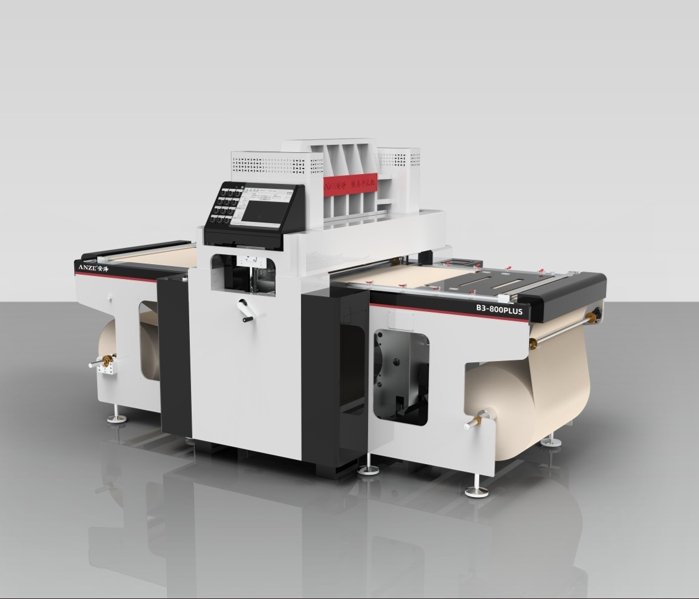
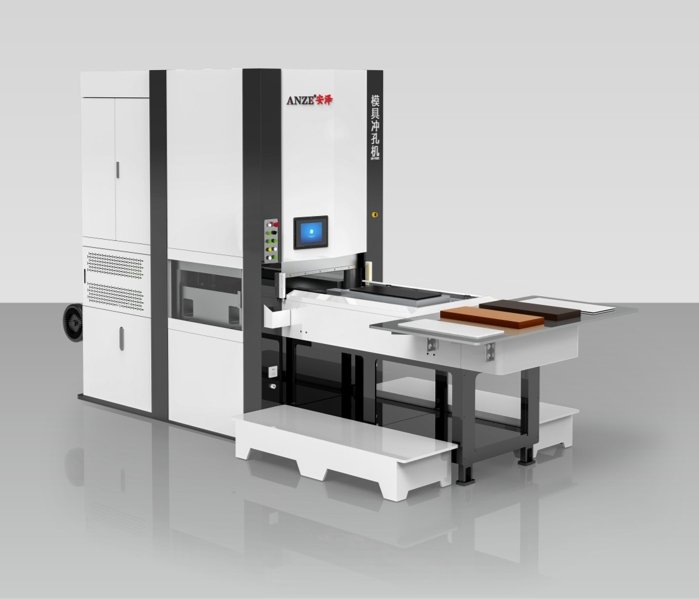
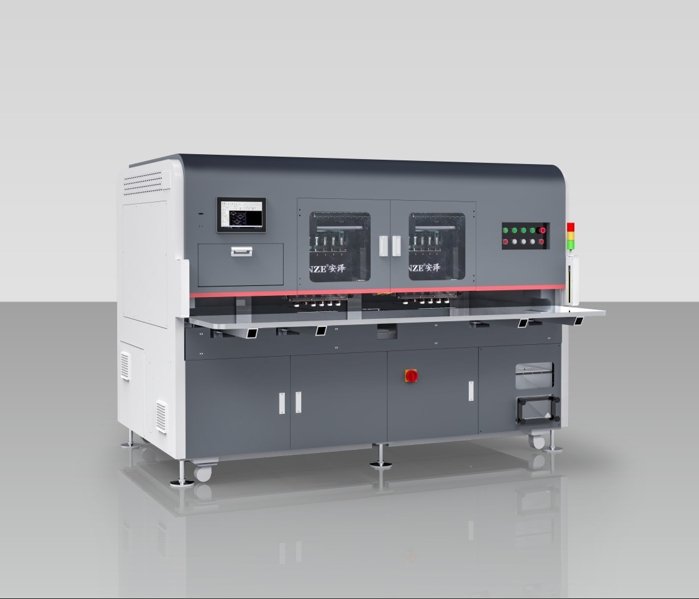
La micro-perforation est devenue un processus d'une importance capitale dans la fabrication moderne du cuir et de la microfibre. Les intérieurs automobiles, les chaussures haut de gamme, les sacs de luxe, les garnitures de meubles et l'électronique de pointe exigent des matériaux offrant un flux d'air contrôlé, des performances acoustiques et des micro-motifs esthétiques. Pour atteindre ce niveau de précision, les fabricants s'appuient sur un perforatrice à micro-perforations — un système de production spécialisé conçu pour des motifs de perforation ultra-petits et à haute densité sur des substrats en cuir et microfibre.
Anze, forte de 20 ans d'expérience dans le développement d'équipements de perforation de cuir et plus de 20 modèles de machines à succès, est reconnue comme l'un des fournisseurs de technologie les plus matures dans le secteur mondial de la perforation.
2. Qu'est-ce qu'une machine de micro-perforation ?
A perforatrice à micro-perforations est un système de poinçonnage de précision ou de traitement laser conçu pour créer des trous extrêmement petits et constants dans des matériaux souples tels que :
Cuir naturel
Cuir microfibre
PU et cuir synthétique
Composites pour intérieur automobile
Matériaux de rembourrage
Microfibres de qualité mode
Le diamètre typique d'un trou produit par une micro-perforeuse varie entre :
0,3 mm – 1,0 mm pour le cuir
0,15 mm – 0,8 mm pour microfibre
Ces micro-trous améliorent la ventilation, réduisent la rigidité du matériau, améliorent l'absorption acoustique et créent des surfaces visuellement raffinées pour les produits de consommation haut de gamme.
3. Pourquoi la micro-perforation est importante dans la fabrication moderne
Microperforation n'est pas qu'une simple technique esthétique. Elle apporte des avantages structurels et fonctionnels :
3.1 Performance de la ventilation
Des micro-trous uniformes augmentent considérablement le flux d'air, permettant :
Surfaces de sièges automobiles plus fraîches
Doublures de chaussures respirantes
Sangles et coussinets de sac confortables
3.2 Absorption acoustique
Le cuir perforé améliore l'acoustique de l'habitacle des voitures, réduisant l'écho et le bruit.
3.3 Réduction de poids
Les surfaces micro-perforées réduisent la densité des matériaux sans affaiblir leur intégrité structurelle.
3.4 Esthétique de précision
Les marques de luxe utilisent des micro-motifs pour différencier leurs gammes de produits haut de gamme.
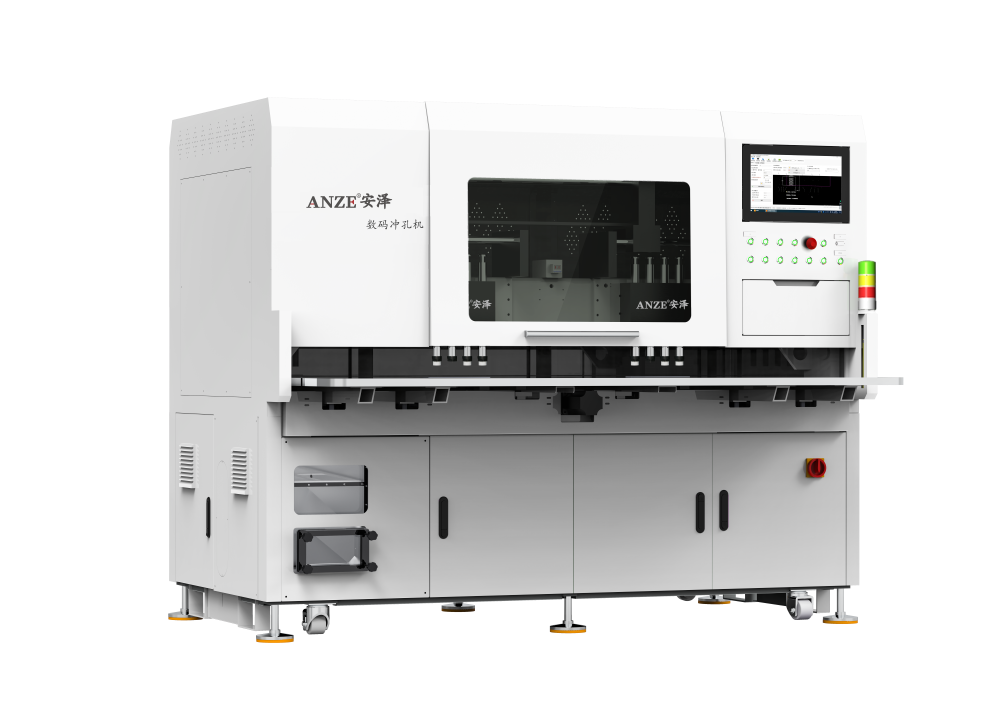
Ces avantages nécessitent une grande précision perforatrice à micro-perforations conçu pour un fonctionnement industriel fiable.
4. Exigences d'ingénierie pour une machine de micro-perforation haute performance
Professionnel perforatrice à micro-perforations doit répondre à des spécifications d'ingénierie strictes :
4.1 Poinçonnage ou précision laser
Tolérance du diamètre du trou : ±0,02–0,05 mm
Douceur des bords : pas de brûlure, de déchirement ou de soulèvement de fibres
4.2 Contrôles de la stabilité des matériaux
Système de contrôle de tension du cuir
Modules d'alignement anti-étirement en microfibre
Moteurs d'alimentation asservisynchronisés
4.3 Productivité industrielle
Fonctionnement continu
Commutation rapide de motifs
Faible temps d'arrêt et faible usure des outils
4.4 Programmation de motifs numériques
Saisie de motif CAO
Génération de micro-motifs personnalisés
Répétabilité pour la production de masse
Ces fondations d'ingénierie déterminent la fiabilité du processus de micro-perforation.
5. Types de technologies de machines de micro-perforation
La fabrication moderne utilise trois principaux technologies de perforation.
5.1 Microperforation mécanique
Les systèmes mécaniques utilisent des matrices de micro-emboutissage personnalisées :
Avantages :
Uniformité de motif élevée
Excellente qualité de bord de trou
Faible coût d'exploitation à long terme
Stable pour cuir épais
Inconvénients :
Nécessite un remplacement périodique de la matrice
Limité à des géométries de trous prédéfinies
Cette méthode est idéale pour les sièges automobiles, les sacs, les chaussures et les meubles.
5.2 Microperforation laser
La perforation laser utilise un contrôle précis du faisceau pour vaporiser des microtrous.
Avantages :
Formes et motifs de trous flexibles
Temps de changement d'outil nul
Convient aux microfibres ultra-fines
Inconvénients :
Marques potentielles de brûlures par la chaleur
Plus lent pour le poinçonnage de grande surface
Coût énergétique plus élevé
Cette technique est souvent utilisée pour les panneaux en microfibre de mode et en cuir pour l'électronique.
5.3 Machines Hybrides à Micro-Perforation
Les systèmes hybrides comprennent à la fois des outils de poinçonnage mécanique et des outils laser.
Avantages :
Flexibilité de conception complète
Optimisé pour des finitions de surface haut de gamme
Limitations de processus réduites
C'est la direction vers laquelle de nombreux équipementiers mondiaux se dirigent.

6. Processus étape par étape : Comment une machine à micro-perforation fonctionne
Étape 1 — Préparation des matériaux
Taux d'humidité : 40 à 60 %
Planéité garantie dans la tolérance
Aucun résidu de cire en surface
Étape 2 — Chargement et alignement
Les systèmes d'alimentation servo-réglent la tension du matériau
Les capteurs de vision garantissent la précision de la position
Étape 3 — Programmation de motifs
Les fichiers CAO définissent :
Forme du trou
Espacement des trous
Densité
Direction
Étape 4 — Exécution de la micro-perforation
Selon le type de machine :
Les matrices de poinçonnage frappent la surface
Des faisceaux laser micro-vaporisent des trous
Étape 5 — Extraction et élimination des déchets
Aspiration de micro-poussières
Filtration des particules de déchets
Étape 6 — Inspection de la qualité
Mesure par vision artificielle
Échantillon de test de traction
Évaluation de l'uniformité du trou
Étape 7 — Sortie finale et découpe
Rouleaux ou feuilles
Prêt pour la couture ou la plastification
Cette séquence contrôlée garantit des résultats industriels constants.
7. Paramètres Techniques Clés d'une Machine de Micro-perforation
| Paramètre | Plage typique | Notes d'ingénierie |
|---|---|---|
| Diamètre du trou | 0,15–1,0 mm | Dépend du matériau |
| Vitesse | 50 000 à 180 000 trous/min | Basé sur la densité du motif |
| Tolérance | ±0,02–0,05 mm | Essentiel pour l'automobile |
| Précision de l'alimentation | ±0,1 mm | Asservi par servocommande |
| Vie de poing | 1 à 5 millions de cycles | Dureté du matériau dépendante |
| Puissance laser | 100–600W | Microfibre optimisée |
Ces paramètres déterminent la capacité de la machine en production de masse.
8. Considérations matérielles : cuir vs microfibre
8.1 Cuir naturel
Densité de fibres variable
Sensible à la chaleur
Risque de brûlures ou de fissures
Meilleure méthode : Micro-perforation mécanique
8.2 Cuir Microfibre
Densité uniforme
Résistant à la chaleur dans une plage contrôlée
Conçu pour les intérieurs et les chaussures haut de gamme
Meilleure méthode : Micro-perforation laser ou hybride
9. Défis d'ingénierie dans la micro-perforation et comment les machines les résolvent
Défi 1 : Étirement du cuir
Solution: Servo-tension system
Challenge 2: Hole Angle Deviation
Solution: Automatic alignment correction
Challenge 3: Surface Burn (Laser)
Solution: Controlled pulse energy + cooling
Challenge 4: Die Wear
Solution: High-hardness tungsten dies
A professional perforatrice à micro-perforations integrates solutions into its core structure.
10. Application Scenarios for Micro Perforation Machines
10.1 Automotive Interiors
Seats
Steering wheel covers
Door panels
Acoustic components
10.2 Footwear
Sneaker uppers
Athletic liners
Leather ventilation systems
10.3 Luxury Bags & Accessories
Designer bag panels
Straps
Wallets
10.4 Furniture & Upholstery
Sofas
Office chairs
Home seating
10.5 Consumer Electronics Leather
Smart speaker covers
Laptop and tablet cases
Each industry requires specific micro-pattern designs.
11. Quality Inspection Standards for Micro Perforation
11.1 Hole Diameter Deviation
Must meet ±0.02–0.05 mm tolerance.
11.2 Hole Roundness
No oval deformation.
11.3 Color Consistency
No discoloration on laser-processed microfiber.
11.4 Material Integrity
Leather tear-resistance must remain within acceptable range.
11.5 Air Permeability Testing
Measured using airflow test systems.
A perforatrice à micro-perforations must support high repeatability across thousands of meters.
12. How AI Vision Systems Improve Micro Perforation Accuracy
Moderne micro perforation machines increasingly use:
Real-time camera inspection
Pattern deviation detection
Automatic correction algorithms
AI-guided feeding alignment
These systems ensure almost zero scrap during mass production.
13. Advantages of Anze’s Micro Perforation Machine
Anze integrates over 20 years of industry expertise into our machines:
13.1 High-Speed Industrial Operation
Optimized for continuous factory use.
13.2 Ultra-Precise Pattern Control
Patent-grade feeding & servo algorithms.
13.3 Compatibility with Leather and Microfiber
Designed for multi-material versatility.
13.4 Low Maintenance
High-durability components reduce downtime.
13.5 Custom Engineering
Anze provides OEM customization for automotive and luxury brands worldwide.
14. Why Global Manufacturers Choose Anze
Mature technology
Professional pre-sales engineering support
Global export experience
Reliable remote diagnostics
Proven machine lineup (20+ models)
Anze's perforatrice à micro-perforations is trusted in automotive, footwear, bag, and furniture sectors.
Micro perforation is a precision engineering process essential to modern leather and microfiber manufacturing
Micro perforation is a precision engineering process essential to modern leather and microfiber manufacturing. A high-quality perforatrice à micro-perforations ensures stable production, refined appearance, and consistent performance across industries.
With decades of innovation, Anze provides an advanced and reliable solution for global manufacturers seeking excellence in micro-perforated materials.
Forts d'une équipe expérimentée et qualifiée, nous maîtrisons les caractéristiques de divers matériaux ainsi que les technologies de transformation, ce qui nous permet de personnaliser nos machines de perforation du cuir selon vos besoins. N'hésitez pas à nous contacter pour toute question ! WhatsApp : +86 180 0298 0031
Comment installer et entretenir la machine ?
Certains modèles sont livrés assemblés en usine. Les grands équipements sont emballés en plusieurs parties et un manuel d'installation est fourni. Tous les équipements sont équipés de manuels d'utilisation en chinois et en anglais.
Les clients peuvent envoyer quelqu'un à l'usine d'Anze pour apprendre ou nous envoyons des experts techniques pour fournir une formation sur place.
Quelles sont les exigences en matière d'environnement de travail de la machine ?
Le Machine à poinçonner le cuir à commande numérique doit être fixé sur une table stable et l'environnement doit être maintenu propre et ordonné afin d'éviter tout contact avec la poussière, l'électricité statique, l'humidité et les copeaux qui pourraient entraîner une défaillance des pièces.
Quelle est votre politique en matière de service après-vente ?
Nous disposons d'une équipe après-vente expérimentée, d'un service en ligne 24h/24 et d'un système après-vente complet. Nous disposons d'un support de formation en usine, d'un support technique vidéo pour l'entretien des machines à l'étranger, d'un support en ligne et d'ingénieurs.
Êtes-vous disponible pour une invitation sur place ?
Bien entendu, nous vous invitons à visiter notre entreprise et à établir une communication directe afin de faire progresser les affaires mutuelles.
Quel est le délai de livraison ?
Le délai de livraison varie en fonction de la quantité commandée et de la personnalisation, et se situe généralement entre 7 et 10 jours ouvrables.