
Last Updated on 2025-05-24 by Anze
In the fast-paced world of manufacturing, precision, efficiency, and versatility are non-negotiable. As industries evolve, so do the tools that drive production. Among these, the CNC hole punching machine stands out as a cornerstone of modern fabrication. Designed to deliver unmatched accuracy and speed, these machines have transformed industries ranging from automotive and aerospace to electronics and furniture. In this comprehensive guide, we explore the technology, applications, benefits, and future trends of CNC hole punching machines, showcasing why they are indispensable in today’s competitive manufacturing landscape.
1. What are CNC Hole Punching Machines? Understanding the Core Technology
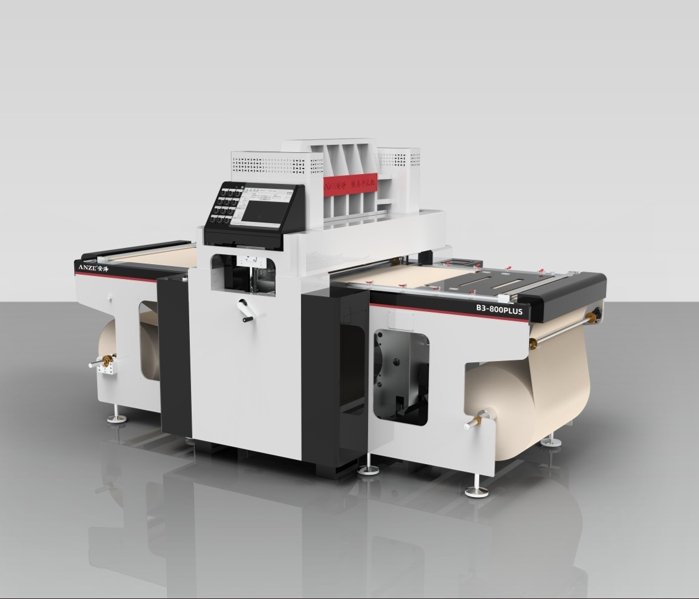
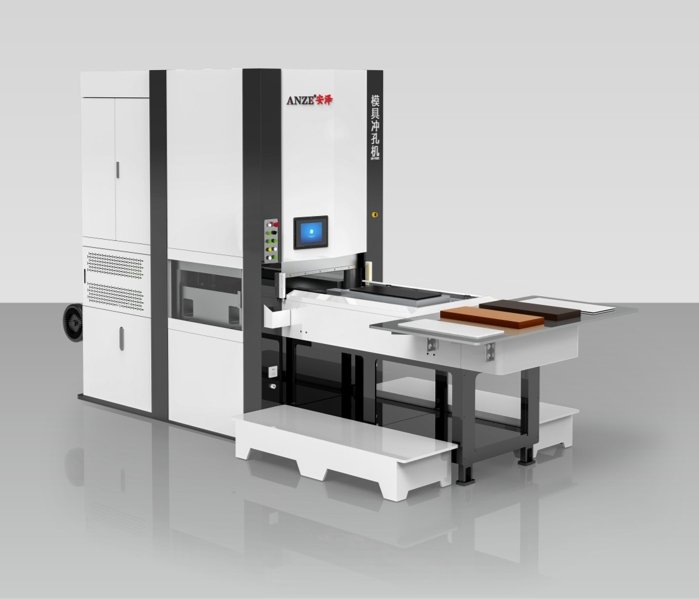
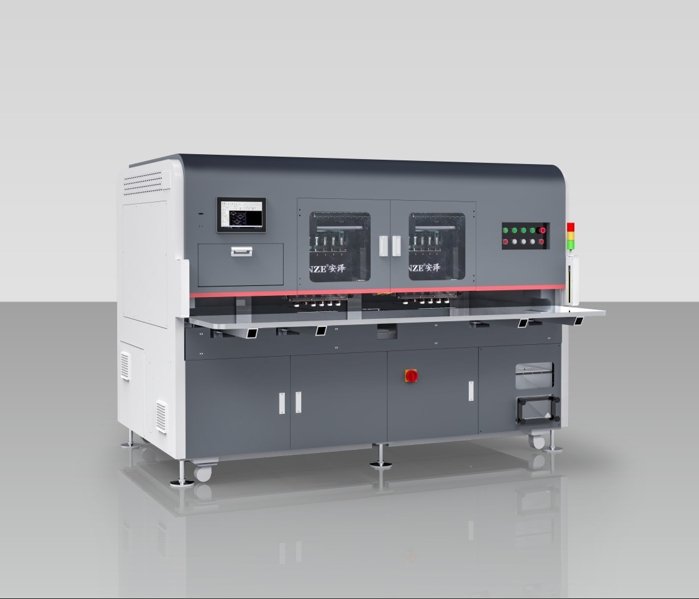
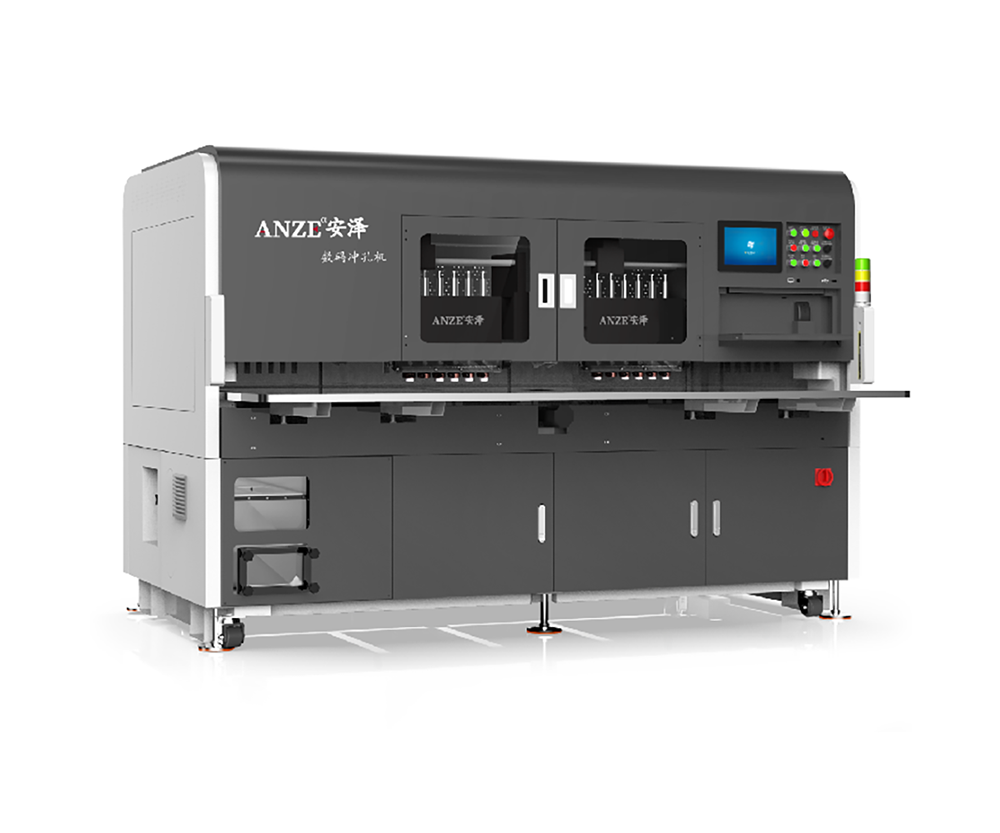
A CNC hole punching machine is a computer-controlled device engineered to create precise holes in materials such as metal, plastic, leather, and composites. Unlike manual or hydraulic punching systems, CNC (Computer Numerical Control) technology automates the punching process, enabling high-speed, repeatable, and error-free operations.
Key Components of a CNC Hole Punching Machine
- Control Panel: The brain of the machine, where operators input design specifications via CAD/CAM software.
- Punching Head: Houses the punch and die set, which physically perforates the material.
- Worktable: A motorized platform that positions the material under the punching head with micron-level accuracy.
- Tool Changer: Automatically swaps punching tools to accommodate different hole sizes and shapes.
How It Works
- Design Input: Operators upload a digital blueprint (e.g., DXF file) into the machine’s software.
- Material Alignment: The worktable adjusts to secure the material in place.
- Punching Sequence: The machine follows programmed instructions to punch holes at specified locations.
- Quality Check: Integrated sensors verify hole dimensions and alignment in real time.
This seamless integration of hardware and software makes the CNC hole punching machine a paradigm of industrial automation.
2. Applications of CNC Hole Punching Machines Across Industries
The versatility of CNC hole punching machines has made them a staple in diverse sectors. Below are some of the most impactful use cases:
a. Automotive Manufacturing
- Ventilation Panels: Perforated metal sheets for engine covers and cabin airflow.
- Seatbelt Anchors: Precision holes for safety-critical components.
- Decorative Trims: Custom patterns on leather seats or dashboard accents.
b. Aerospace and Defense
- Aircraft Skins: Lightweight aluminum panels with holes for reduced weight and improved aerodynamics.
- Electronic Enclosures: Ventilation holes in avionics casings to prevent overheating.
c. Consumer Electronics
- Speaker Grilles: Aesthetic and functional perforations in smartphones and laptops.
- Heat Sinks: Optimized hole layouts for thermal management in CPUs.
d. Furniture and Architecture
- Decorative Screens: Intricate patterns in metal or wood partitions.
- Ergonomic Chair Bases: Ventilation holes for comfort and durability.
En CNC hole punching machine excels in these applications by combining speed with the ability to handle complex geometries.
3. Advantages of Investing in CNC Hole Punching Machines
Why are manufacturers worldwide transitioning to CNC hole punching machines? Here are the game-changing benefits:
a. Unmatched Precision and Consistency
Human error is eliminated, ensuring every hole meets exact specifications. Tolerances as tight as ±0.05 mm are achievable, critical for industries like aerospace and medical devices.
b. High-Speed Production
With punching rates exceeding 1,000 holes per minute, these machines drastically reduce lead times. For example, a sheet with 500 holes can be completed in under 30 seconds.
c. Material Versatility
From thin foils (0.1 mm) to thick plates (10 mm), the CNC hole punching machine handles diverse materials without compromising quality.
d. Cost Efficiency
- Reduced Waste: Nesting software optimizes material usage.
- Lower Labor Costs: One operator can manage multiple machines.
- Minimal Maintenance: Robust construction ensures longevity with routine servicing.
e. Customization at Scale
Switch between hole patterns (round, square, hexagonal) and sizes with a few clicks, enabling mass customization without downtime.
4. How to Choose the Right CNC Hole Punching Machine for Your Needs
Selecting the ideal CNC hole punching machine requires careful evaluation of your production goals. Here’s a step-by-step guide:
Step 1: Define Your Requirements
- Tipo de material: Will you process metal, plastic, leather, or composites?
- Thickness Range: Ensure the machine’s tonnage (e.g., 20-ton capacity) matches your material’s hardness.
- Hole Complexity: Do you need multi-shape capabilities or simple round holes?
Step 2: Evaluate Machine Specifications
- Punching Speed: Look for models with ≥800 hits per minute for high-volume production.
- Tooling Options: Check if the machine supports quick-change tooling for flexibility.
- Software Compatibility: Ensure compatibility with industry-standard CAD/CAM programs.
Step 3: Consider Automation Features
- Auto-Feed Systems: Ideal for unattended, 24/7 operations.
- IoT Integration: Remote monitoring and predictive maintenance alerts.
Step 4: Assess Supplier Support
- Training: Does the supplier offer on-site operator training?
- Warranty: Opt for machines with ≥3-year warranties on critical components.
Step 5: Budgeting
While entry-level CNC hole punching machines start at 50,000,high−end models with advanced automation can exceed 300,000. Calculate ROI based on productivity gains.
5. Innovations Shaping the Future of CNC Hole Punching Machines
En CNC hole punching machine is not static—it’s evolving with cutting-edge technologies:
a. AI-Driven Optimization
Machine learning algorithms analyze historical data to optimize punching paths, reducing cycle times and tool wear.
b. Hybrid Laser-Punching Systems
Combine laser cutting and punching in one machine for intricate designs requiring both processes.
c. Sustainable Manufacturing
- Energy Recovery: Regenerative drives capture and reuse energy during idle phases.
- Materiales ecológicos: Compatibility with recycled metals and biodegradable plastics.
d. 3D Punching
Advanced machines now create 3D reliefs by varying punch depths, opening new possibilities in decorative metalwork.
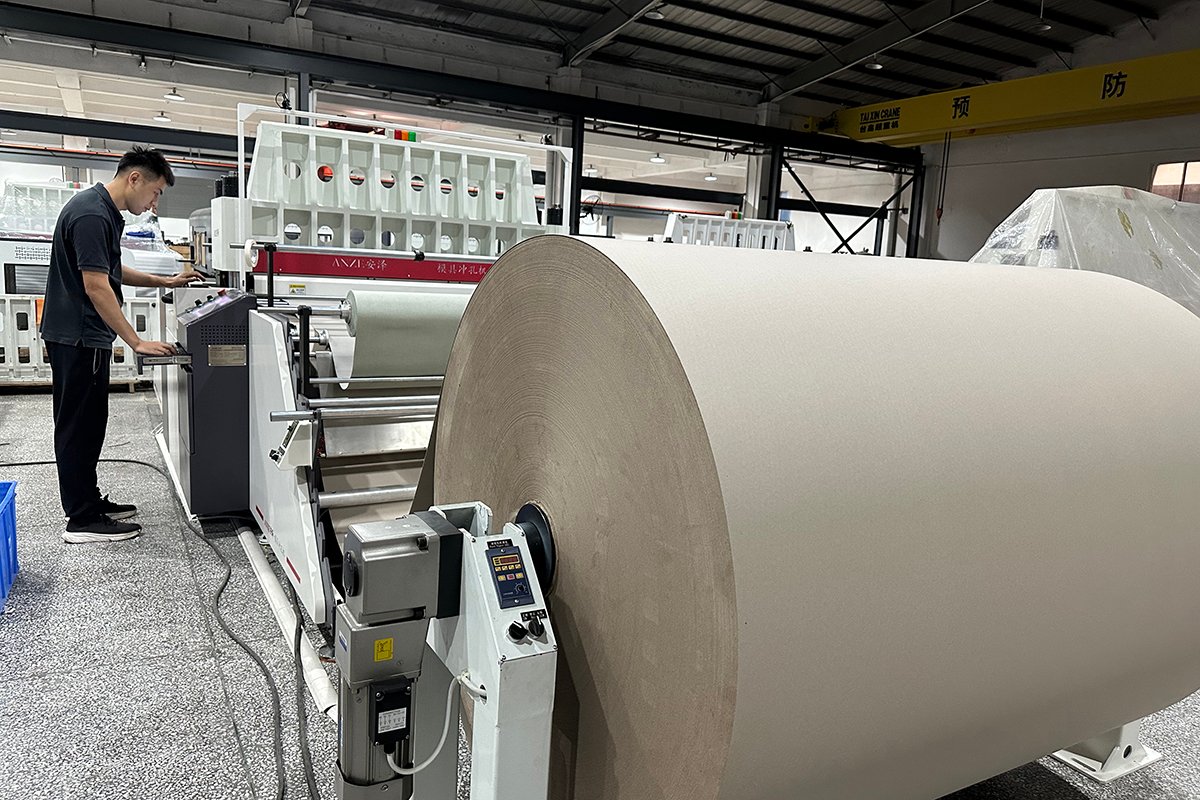
6. Case Study: Automotive Supplier Boosts Efficiency with a CNC Hole Punching Machine
Client Profile: A Tier-1 automotive supplier producing 500,000 ventilation panels annually.
Challenge: Manual punching caused inconsistent hole alignment, leading to a 12% scrap rate.
Solution: The supplier invested in a CNC hole punching machine with auto-feeding and IoT capabilities.
Results:
- Scrap Rate Reduced to 1%: Precision eliminated misaligned holes.
- Output Increased by 40%: 24/7 operation with minimal downtime.
- Labor Costs Cut by 60%: One machine replaced six manual operators.
Why Your Factory Needs CNC Hole Punching Machines Today
In an era where precision and efficiency define competitiveness, the CNC hole punching machine is no longer a luxury—it’s a necessity. From slashing production costs to enabling bespoke designs, this technology empowers manufacturers to stay ahead in a rapidly changing market.
Whether you’re a small workshop or a global enterprise, investing in a CNC hole punching machine ensures you’re equipped to meet tomorrow’s challenges.
Ready to Transform Your Production Line?
Contact us today to explore our range of CNC hole punching machines tailored to your industry’s needs. Let’s engineer your success, one precise hole at a time. Contact May +86 180 0298 0031
Algunos modelos se envían montados de fábrica. Los equipos grandes se embalan en varias piezas y se suministra un manual de instalación. Todos los equipos están equipados con manuales de usuario en chino e inglés.
Los clientes pueden enviar a alguien a la fábrica de anze para que aprenda o nosotros enviamos a expertos técnicos para que impartan formación in situ.
La máquina debe fijarse en una mesa estable y el entorno debe mantenerse limpio y ordenado para evitar que el contacto con el polvo, la electricidad estática, la humedad y las virutas provoquen fallos en las piezas.
Contamos con un experimentado equipo de postventa, servicio en línea 24 horas y un completo sistema de postventa. Soporte de formación en fábrica, video técnico disponible para dar servicio a la maquinaria en el extranjero. soporte, soporte en línea, Ingenieros.
Por supuesto, le invitamos a visitar nuestra empresa y tener una comunicación cara a cara para avanzar en los negocios mutuos.
El plazo de entrega varía en función de la cantidad del pedido y de la personalización, normalmente oscila entre 7 y 10 días laborables.Si se trata de un pedido de punzonadoras de cuero personalizadas, tarda entre 1 y 2 meses.


 English
 Portuguese
 Italian
 Vietnamese
 Russian
 French
 Spanish
 Arabic