










Last Updated on 2026-03-24 by Anzeige
Understanding Perforated Leather vs Smooth Leather
In modern material engineering and product design, choosing between perforated leather and smooth leather is a critical decision that directly impacts performance, comfort, durability, and aesthetics.
With increasing demand across automotive interiors, furniture, footwear, and luxury goods, manufacturers must clearly understand the differences between perforated leather and smooth leather. These two materials serve different functional roles, and selecting the right one often depends on environmental conditions, product design, and user experience requirements.
Als professioneller perforated leather manufacturer with over 20 years of experience, Anze not only produces advanced perforated leather machine systems but also provides complete application solutions across industries. This guide offers a detailed, multi-dimensional comparison of perforated leather vs smooth leather, helping manufacturers, designers, and buyers make informed decisions.
1. Perforated Leather vs Smooth Leather: Structural Differences
Perforated Leather Structure
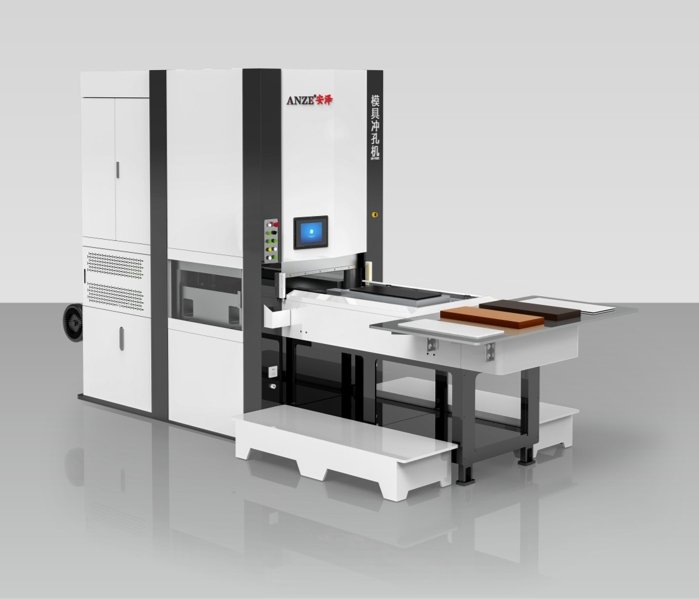
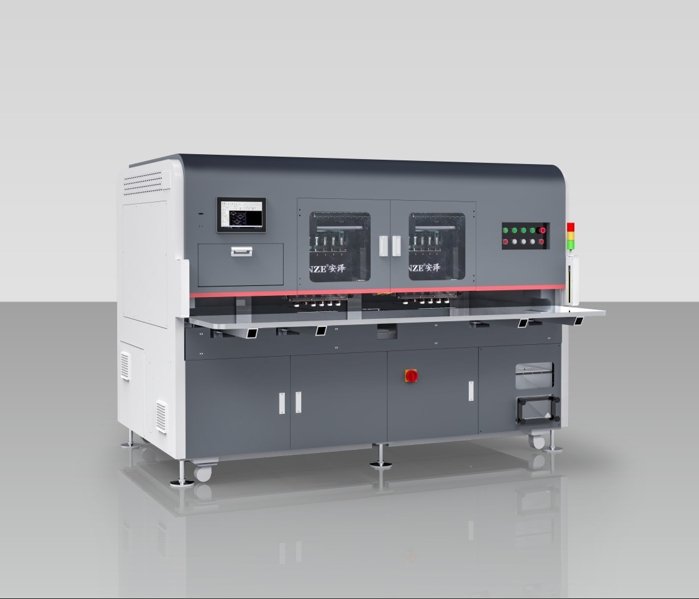
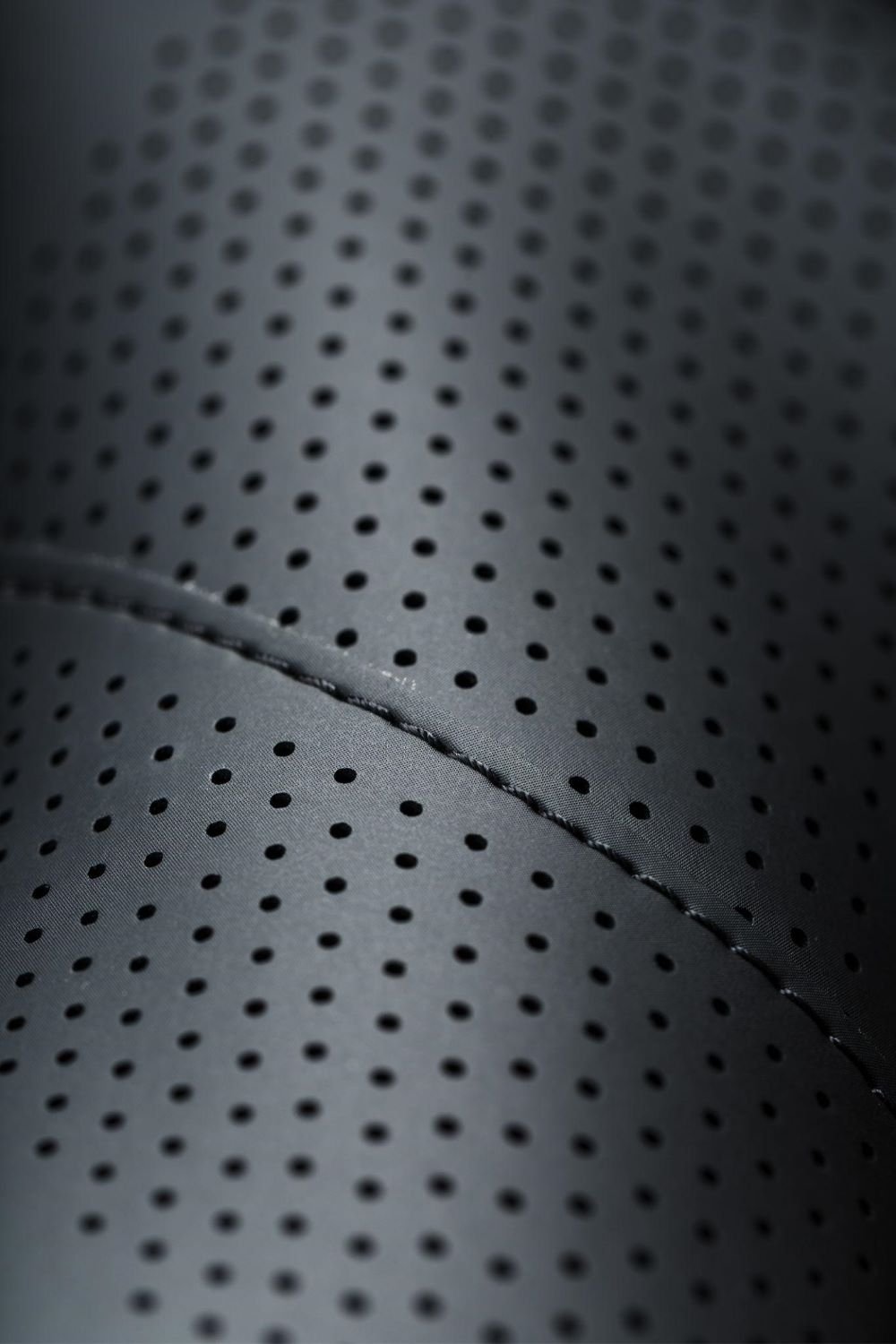
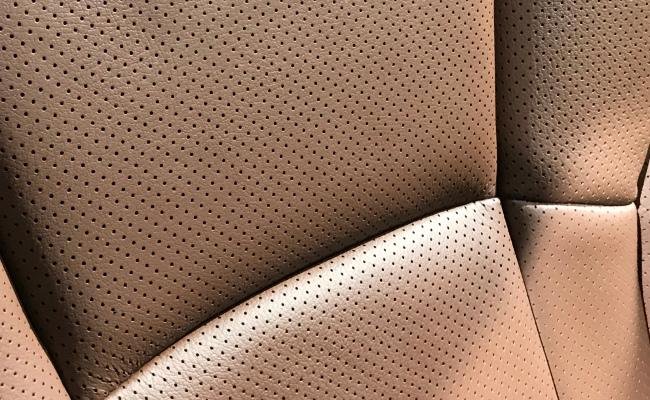
Perforated leather is processed using a perforated leather machine, where uniform holes are created across the material.
Characteristics:
- Micro or macro hole patterns
- Controlled spacing and diameter
- Engineered airflow channels
Smooth Leather Structure
Smooth leather remains untreated on the surface:
- No perforation
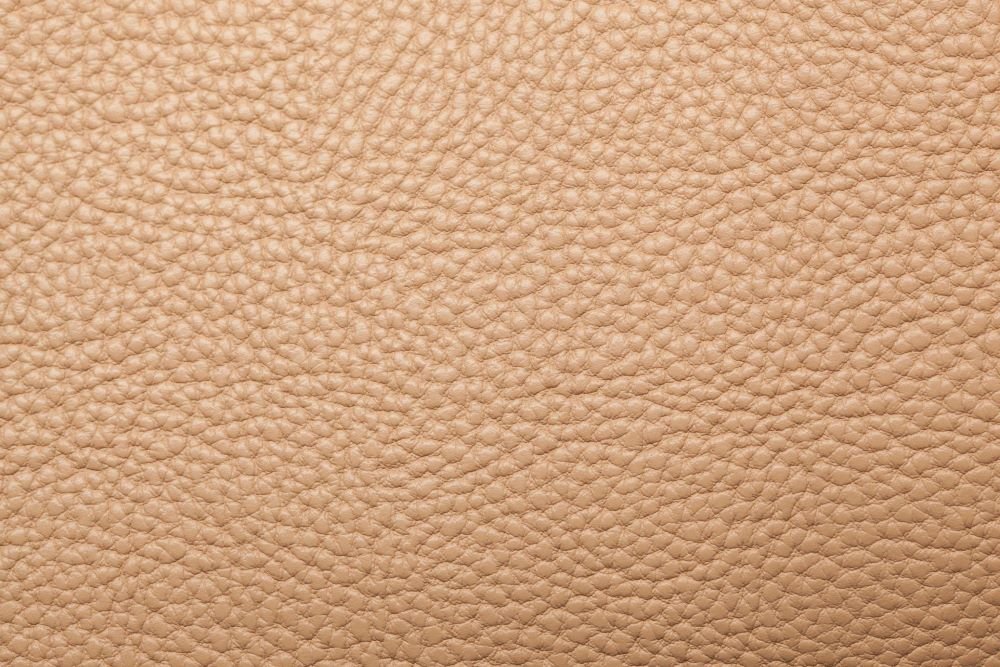
- Continuous grain layer
- Higher surface density
Key Insight:
The structural difference directly influences breathability, flexibility, and performance.
2. Perforated Leather vs Smooth Leather: Breathability and Comfort
Perforated Leather Breathability Advantage
One of the biggest advantages of perforated leather is airflow.
Vorteile:
- Heat dissipation
- Moisture evaporation
- Reduced sweating
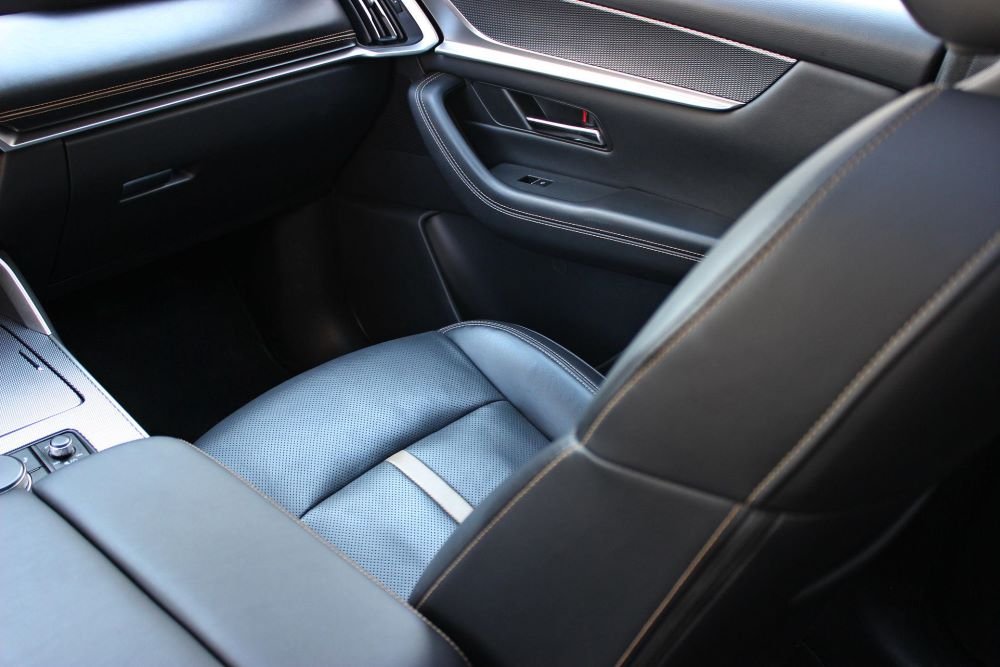
This is why perforated leather is widely used in automotive seats and sports products.
Smooth Leather Comfort Characteristics
Smooth leather:
- Retains heat
- Less ventilation
- Can feel sticky in warm conditions
Conclusion:
For comfort-critical applications, perforated leather is superior.
3. Perforated Leather vs Smooth Leather: Application Scenarios
Perforated Leather Applications
- Automotive seat covers
- Luxury sofas
- Sports gear
- Breathable footwear
Smooth Leather Applications
- Formal shoes
- Luxury handbags
- Decorative furniture
- Protective surfaces
Key Difference:
Perforated leather is functional + aesthetic
Smooth leather is primarily aesthetic + protective
4. Perforated Leather vs Smooth Leather: Industry Usage Analysis
Automotive Industry
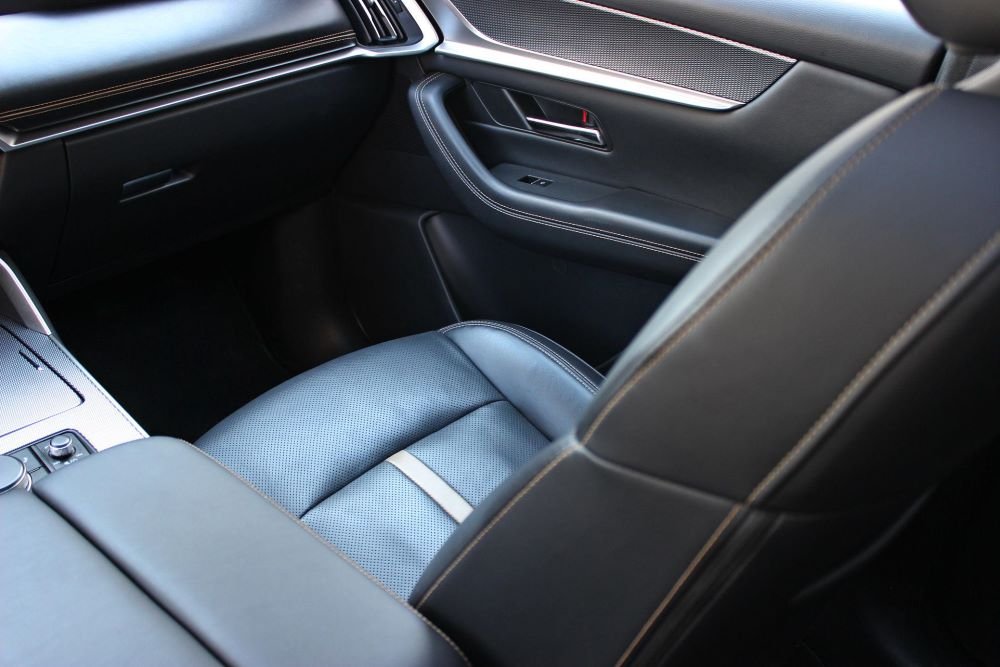
- Perforated leather: Ventilated seats, premium interiors
- Smooth leather: Basic trims
Furniture Industry
- Perforated leather: Recliners, ergonomic seating
- Smooth leather: Decorative sofas
Schuhindustrie
- Perforated leather: Sports shoes
- Smooth leather: Formal shoes
Fashion Industry
- Perforated leather: Designer accents
- Smooth leather: Classic luxury
5. Perforated Leather vs Smooth Leather: Aesthetic and Design Flexibility
Perforated Leather Design Potential
Using a perforated leather machine, manufacturers can create:
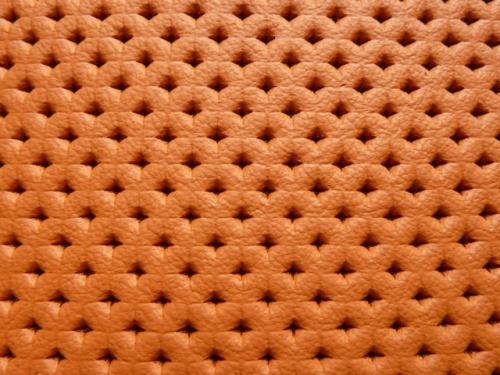
- Custom patterns
- Branding designs
- Gradient perforation
Smooth Leather Design Limitations
Smooth leather relies on:
- Texture
- Color
- Finish
Insight:
Perforated leather offers significantly more design flexibility.
6. Perforated Leather vs Smooth Leather: Manufacturing Process
Perforated Leather Production
Requires:
- Advanced perforated leather machine
- CNC programming or mould tooling
- Precision punching control
Smooth Leather Production
Simpler process:
- Tanning
- Finishing
- Surface treatment
Key Point:
Perforated leather manufacturing is more technically demanding.
7. Perforated Leather vs Smooth Leather: Equipment Requirements
Perforated Leather Machine Systems
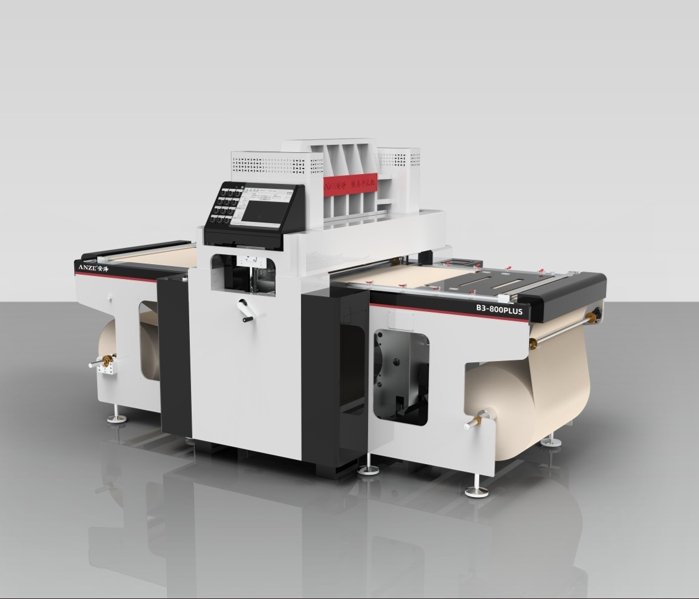
A modern perforated leather machine includes:
- CNC control system
- Servo-driven punching
- Pattern programming
- Automated feeding
Smooth Leather Equipment
- Cutting machines
- Surface finishing systems
Conclusion:
Investment in perforated leather machine technology enables higher-value products.
8. Perforated Leather vs Smooth Leather: Durability and Strength
Perforated Leather Durability
- Slightly reduced tensile strength due to holes
- Still durable with proper engineering
Smooth Leather Durability
- Maximum structural integrity
- Better for heavy-duty use
Insight:
For structural strength → smooth leather
For comfort + function → perforated leather
9. Perforated Leather vs Smooth Leather: Maintenance and Cleaning
Perforated Leather Maintenance
- Requires careful cleaning
- Dust may enter holes
- Needs specialized care
Smooth Leather Maintenance
- Easier to clean
- More resistant to dirt accumulation
10. Perforated Leather vs Smooth Leather: Cost Analysis
Perforated Leather Cost Factors
- Machine investment
- Processing complexity
- Design customization
Smooth Leather Cost Factors
- Material quality
- Finishing process
Conclusion:
Perforated leather is generally higher in value-added production
11. Perforated Leather vs Smooth Leather: Environmental Performance
- Reduces need for artificial ventilation
- Improves energy efficiency in automotive systems
Smooth Leather
- More material density
- Less functional efficiency
12. Perforated Leather vs Smooth Leather: User Experience Comparison
| Factor | Perforated Leather | Smooth Leather |
|---|---|---|
| Comfort | Hoch | Medium |
| Breathability | Excellent | Niedrig |
| Durability | Medium-High | Hoch |
| Design Flexibility | Hoch | Medium |
| Maintenance | Medium | Easy |
13. How to Choose Between Perforated Leather and Smooth Leather
Choose perforated leather if:
- Comfort is critical
- Ventilation is needed
- Premium experience is required
Choose smooth leather if:
- Durability is priority
- Simplicity is preferred
- Cost sensitivity exists
14. Role of Perforated Leather Machine in Modern Manufacturing
A high-quality perforated leather machine enables:
- Consistent hole precision
- High-speed production
- Custom pattern flexibility
As a leading perforated leather manufacturer, Anze provides advanced equipment tailored to industry needs.
15. Future Trends: Perforated Leather vs Smooth Leather
The market trend shows increasing adoption of perforated leather due to:
- Demand for comfort
- Smart interior design
- Automotive innovation
Smooth leather will remain relevant but more specialized.
Perforated Leather vs Smooth Leather — Final Verdict
The comparison between perforated leather vs smooth leather clearly shows that both materials have unique advantages.
However, as industries move toward comfort, functionality, and smart design, perforated leather is becoming the preferred choice across automotive, furniture, and sports applications.
With advanced perforated leather machine technology, manufacturers can achieve precision, scalability, and customization, making perforated leather a key material for the future.
If you are looking for:
- Advanced perforated leather machine solutions
- Custom perforation design support
- Reliable perforated leather manufacturer
Anzeige provides complete, industry-proven solutions backed by 20 years of expertise.
Dank unseres erfahrenen und kompetenten Teams sind wir mit allen Materialeigenschaften sowie der Verarbeitungstechnologie bestens vertraut und können Maschinen zur Lederperforation individuell an Ihre Anforderungen anpassen. Bei Fragen stehen wir Ihnen gerne zur Verfügung! WhatsApp: +86 180 0298 0031
Wie wird die Maschine installiert und gewartet?
Einige Modelle werden bereits werksseitig montiert geliefert. Großgeräte werden in mehreren Teilen verpackt und mit einer Montageanleitung geliefert. Alle Geräte sind mit Bedienungsanleitungen in chinesischer und englischer Sprache ausgestattet.
Kunden können Mitarbeiter zur Schulung in das Anze-Werk entsenden, oder wir entsenden technische Experten für eine Schulung vor Ort.
Welche Anforderungen gelten für die Arbeitsumgebung der Maschine?
Der CNC-Lederstanzmaschine Die Maschine sollte auf einem stabilen Tisch befestigt werden, und die Umgebung sollte sauber und ordentlich gehalten werden, um den Kontakt mit Staub, statischer Elektrizität, Feuchtigkeit und Spänen zu vermeiden, die zu Teileausfällen führen könnten.
Wie sehen Ihre Richtlinien für den Kundendienst (After-Sales) aus?
Wir verfügen über ein erfahrenes Kundendienstteam, einen 24-Stunden-Online-Service und ein umfassendes Kundendienstsystem. Wir bieten Werkschulungen, technische Video-Tutorials und Unterstützung für die Wartung von Maschinen im Ausland. Zudem stehen Ihnen unsere Ingenieure zur Verfügung.
Stehen Sie für eine spontane Einladung zur Verfügung?
Selbstverständlich freuen wir uns über Ihren Besuch in unserem Unternehmen und bieten Ihnen die Möglichkeit zu einem persönlichen Gespräch, um die gegenseitigen Geschäftsbeziehungen zu fördern.
Wie lange ist die Lieferzeit?
Die Lieferzeit variiert je nach Bestellmenge und individuellen Anpassungen und beträgt in der Regel 7 bis 10 Werktage. Bei Sonderanfertigungen von Lederstanzmaschinen beträgt die Lieferzeit 1 bis 2 Monate.