










Last Updated on 2026-03-08 by Anze
Why Perforate Leather Matters in Modern leather processing Industry
Leather perforation is a critical manufacturing process widely used across automotive interiors, furniture upholstery, fashion accessories, sports equipment, and aviation seating. The ability to perforate leather precisely and consistently enhances both aesthetics and functionality, improving breathability, comfort, acoustic performance, and visual appeal.
For manufacturers seeking efficiency and scalability, investing in advanced equipment to perforate leather has become essential rather than optional. Traditional manual punching methods can no longer meet modern production demands in terms of speed, accuracy, and repeatability.
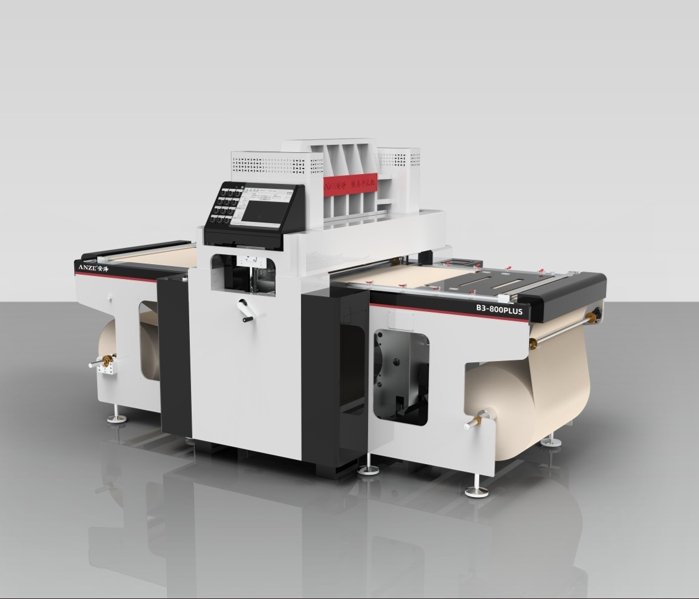
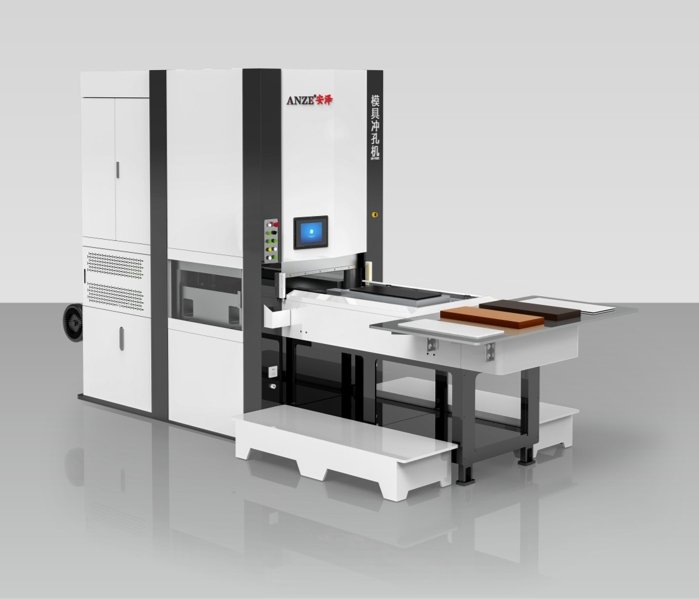
As a professional manufacturer with over 20 years of experience, Anze has developed more than 20 models of leather perforation equipment, including CNC perforation systems and mold-based punching machines. These technologies enable manufacturers worldwide to achieve high-quality results when they need to perforate leather for large-scale production.
This comprehensive guide explores how to perforate leather, the technologies involved, equipment options, operational methods, and the advantages of modern perforate leather machines.
Understanding the Basics of How to Perforate Leather
Before selecting equipment, it is important to understand the fundamental principles behind how manufacturers perforate leather.
The process of perforating leather involves creating evenly distributed holes using mechanical force, cutting tools, or precision-controlled punching systems. The objective is to achieve:
Clean hole edges without tearing
Consistent hole diameter
Uniform spacing and alignment
Minimal material deformation
High production efficiency
Industries that frequently perforate leather include:
Automotive seat manufacturing
Furniture upholstery
Footwear production
Handbags and accessories
Sports equipment grips
Aviation and marine interiors
Modern factories rely on specialized perforate leather machines to achieve these goals efficiently.
Perforate Leather Technology: Evolution from Manual to CNC Systems
Historically, craftsmen perforated leather manually using awls or hand punches. While suitable for small-scale work, manual methods lack consistency and productivity.
The evolution of perforate leather technology includes several stages:
1. Manual Punching Tools
Low cost
Labor intensive
Inconsistent quality
Limited production capacity
2. Mechanical Mold Punching Machines
Improved consistency
Higher speed
Suitable for mass production patterns
Requires dedicated molds
3. CNC Perforate Leather Machines
Computer-controlled precision
Flexible pattern programming
High automation level
Minimal labor requirements
Ideal for complex designs
Today, CNC technology represents the most advanced approach to perforate leather efficiently and accurately.
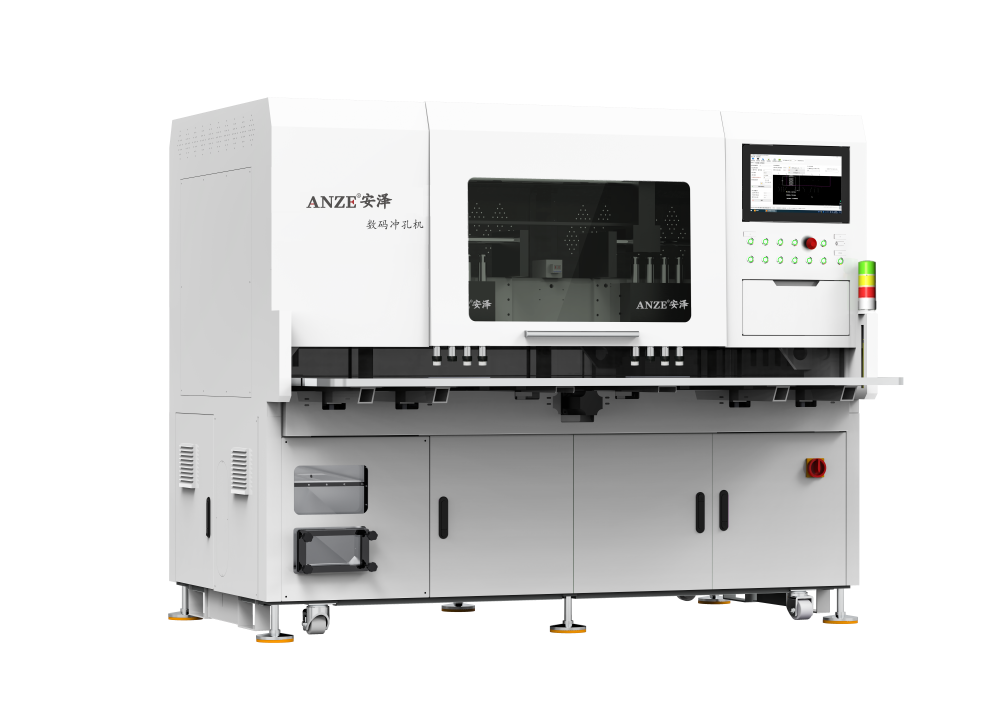
Types of Machines Used to Perforate Leather
Manufacturers can choose between multiple machine types depending on production needs.
CNC Perforate Leather Machine
A CNC perforate leather machine uses digital programming to control punching positions and patterns. Key features include:
High precision positioning systems
Servo motor control
Programmable hole patterns
Automatic feeding systems
Real-time monitoring
This type of perforate leather machine is ideal for automotive and furniture industries where customization is important.
Mold Perforate Leather Machine
A mold-based perforate leather machine uses pre-designed punching molds.
Advantages include:
Extremely fast cycle time
Lower equipment cost
Suitable for repetitive designs
Simple operation
However, mold machines are less flexible than CNC systems when pattern changes are required.
Key Components of a Modern Perforate Leather Machine
To understand how machines perforate leather efficiently, it is useful to examine their main components:
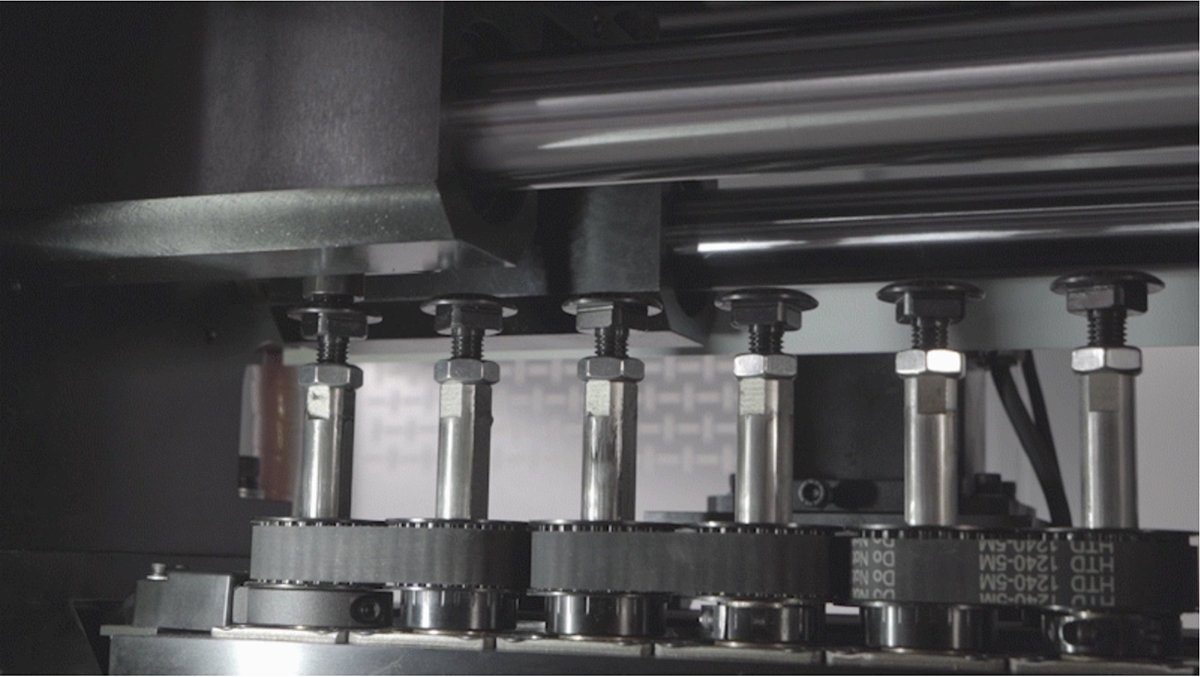
1. Punching Head
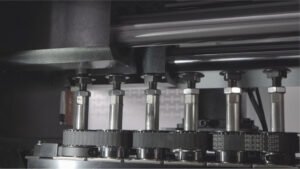
The punching head applies pressure to create holes. High-quality steel tools ensure durability and clean cutting.
2. Control System
Modern perforate leather machines use PLC or CNC control systems to manage operations, ensuring precise alignment and repeatability.
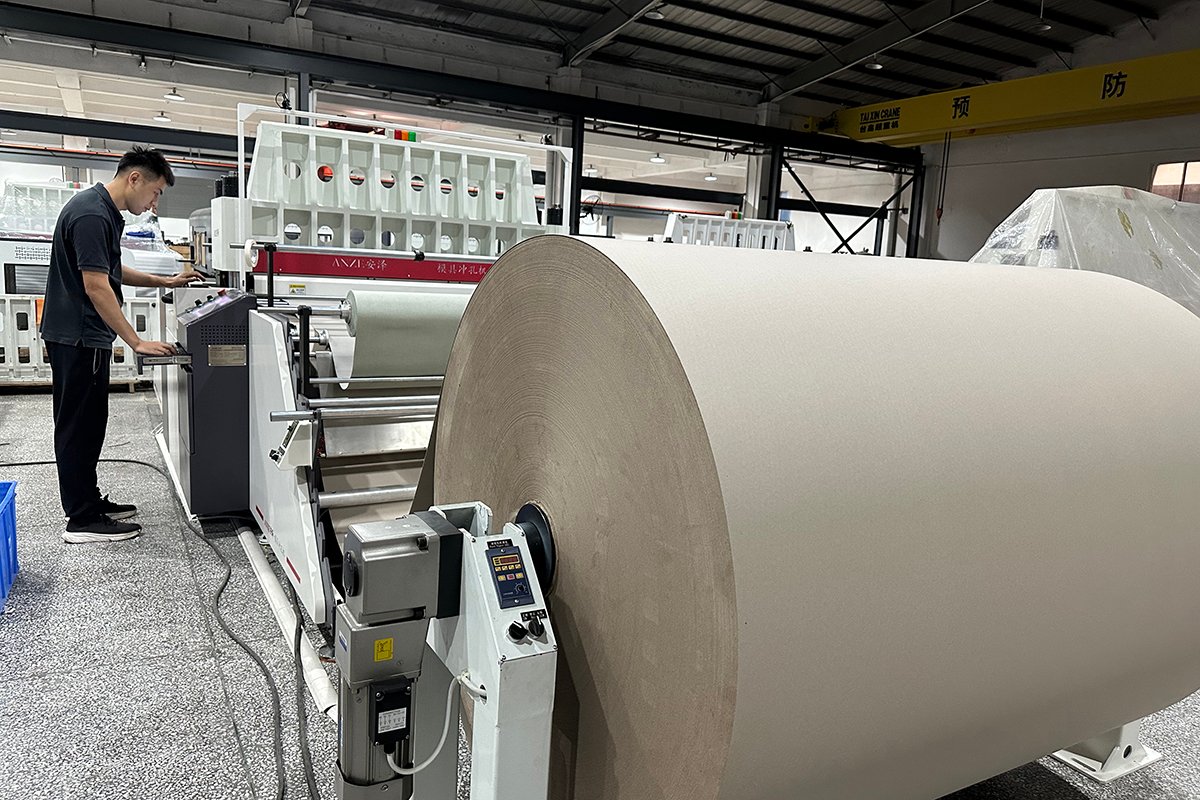
3. Feeding Mechanism
Automatic feeding systems reduce labor costs and improve production speed when manufacturers perforate leather continuously.
4. Worktable and Positioning System
Stable worktables ensure accurate positioning and prevent material movement during punching.
5. Power System
Hydraulic, pneumatic, or servo-electric systems provide the force required to perforate leather materials of varying thickness.
How to Perforate Leather Using Industrial Machines: Step-by-Step Process
The industrial process to perforate leather typically follows several steps:
Step 1: Material Preparation
Leather sheets are inspected for defects and cut into appropriate sizes before perforation.
Step 2: Pattern Programming or Mold Setup
For CNC machines, operators upload digital patterns. For mold machines, molds are installed.
Step 3: Machine Calibration
Operators adjust parameters such as:
Punching pressure
Velocidade
Espaçamento entre furos
Material thickness compensation
Step 4: Automatic Perforation
The machine performs the perforate leather process automatically with minimal human intervention.
Step 5: Quality Inspection
Finished leather is inspected to ensure hole consistency and surface integrity.
Advantages of Using a Professional Perforate Leather Machine
Manufacturers gain significant benefits when using advanced equipment to perforate leather:
High Efficiency
Industrial machines can perforate leather thousands of times faster than manual methods.
Consistent Quality
Automated systems eliminate human error and ensure uniform results.
Labor Cost Reduction
Automation reduces reliance on skilled labor.
Design Flexibility
CNC systems allow manufacturers to perforate leather with complex patterns easily.
Material Protection
Precision punching minimizes waste and damage.
Applications of Perforate Leather Across Industries
The demand to perforate leather spans many sectors.
Setor automotivo
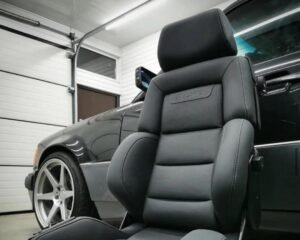
Perforated leather improves seat ventilation and comfort.
Indústria de móveis
Sofa and chair upholstery use perforation for aesthetics and breathability.
Fashion Industry
Luxury handbags and shoes often require decorative perforation.
Sports Equipment
Grips and protective gear use perforated leather for moisture control.
Aviation and Marine
Premium seating requires precision perforate leather technology for comfort and durability.
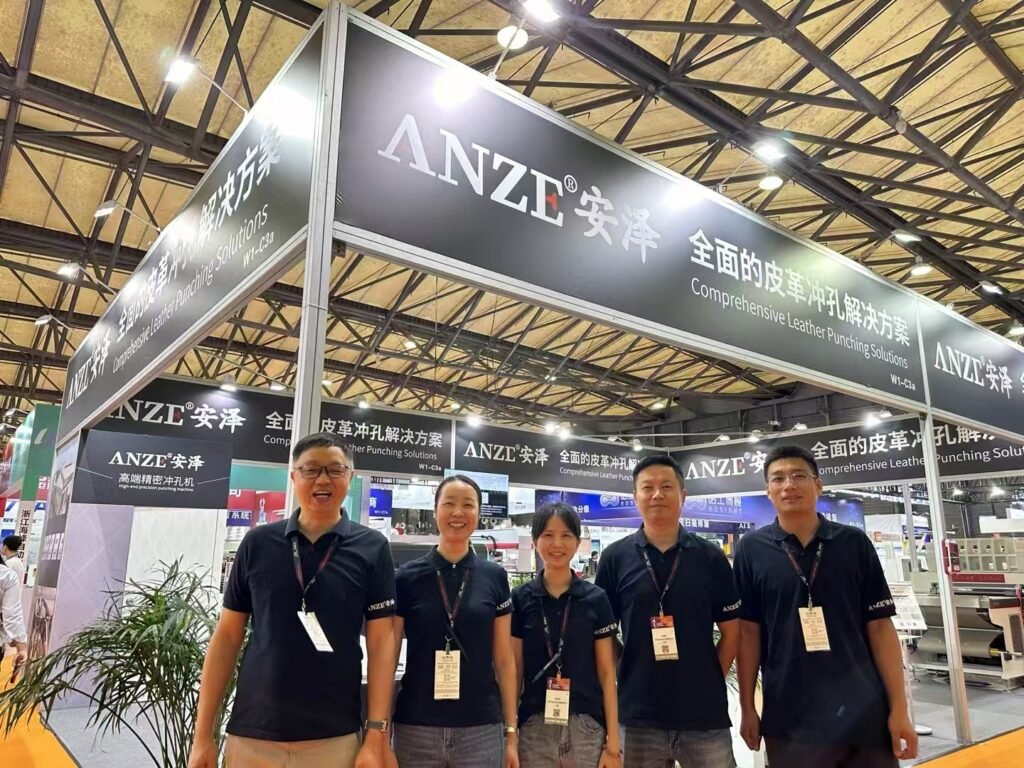
Choosing the Right Perforate Leather Machine Manufacturer
Selecting a reliable perforate leather machine manufacturer is crucial for long-term success.
Key evaluation factors include:
Manufacturing experience
Technology capability
Machine reliability
After-sales support
Customization ability
Industry references
Experienced manufacturers provide tailored solutions for different materials and applications.
CNC vs Mold Systems: Which Is Better to Perforate Leather?
Both machine types have advantages depending on production needs.
CNC Advantages
Flexible design changes
High precision
Suitable for complex patterns
Digital integration with production lines
Mold Machine Advantages
Lower cost
Faster for repetitive patterns
Simple operation
Many factories use both systems depending on product categories.
Technical Challenges When You Perforate Leather
Despite advanced machinery, several challenges exist when manufacturers perforate leather:
Material elasticity variation
Thickness inconsistency
Surface coating sensitivity
Tool wear over time
Alignment precision requirements
Professional perforate leather machines are designed to address these issues through advanced engineering.
Maintenance Tips for Perforate Leather Machines
Proper maintenance ensures long machine life and consistent quality.
Important practices include:
Regular tool inspection
Lubrication of moving parts
Cleaning debris after production
Checking hydraulic or pneumatic systems
Software updates for CNC systems
Preventive maintenance reduces downtime and improves productivity.
Future Trends in Perforate Leather Technology
The industry continues to evolve with new innovations:
Smart Manufacturing Integration
Machines that perforate leather are increasingly connected to Industry 4.0 systems.
AI-Assisted Pattern Optimization
Software can optimize hole patterns automatically.
Energy-Efficient Servo Systems
Modern machines reduce energy consumption.
Automated Material Handling
Robotic feeding systems improve efficiency further.
These advancements make it easier than ever to perforate leather at industrial scale.
Environmental Considerations When You Perforate Leather
Sustainability is becoming important in leather manufacturing.
Modern perforate leather machines support eco-friendly production by:
Reducing material waste
Lowering energy consumption
Improving process efficiency
Supporting recyclable leather alternatives
Efficient perforation contributes to greener manufacturing practices.
Why High-Speed Technology Is Important to Perforate Leather
High-speed perforate leather machines provide significant competitive advantages:
Faster production cycles
Higher output capacity
Better ROI for manufacturers
Reduced lead times
Improved consistency
For large-scale industries such as automotive seating, high-speed capability is essential.
Custom Solutions for Different Leather Products
Different products require different methods to perforate leather.
Examples include:
Automotive seat panels
Sofa upholstery panels
Capas para volante
Sports grips
Fashion accessories
Customized perforate leather machines ensure optimal performance for each application.
Safety Considerations in Perforate Leather Operations
Industrial machines include multiple safety features:
Emergency stop systems
Protective covers
Sensor monitoring
Operator training protocols
Proper safety procedures protect workers and equipment.
Return on Investment of Perforate Leather Machines
Investing in modern equipment to perforate leather provides measurable returns:
Reduced labor costs
Increased production efficiency
Lower defect rates
Improved product quality
Competitive market advantage
Manufacturers typically recover investment costs within a short period due to productivity gains.
The Future of How Manufacturers Perforate Leather
The ability to perforate leather efficiently, accurately, and consistently has become a fundamental requirement across multiple industries. With advancements in CNC technology, automation, and intelligent control systems, modern perforate leather machines deliver unprecedented performance and reliability.
Manufacturers seeking to improve productivity, quality, and profitability must adopt advanced equipment designed specifically for industrial leather perforation.
With decades of engineering experience, continuous innovation, and a broad product portfolio, professional manufacturers provide comprehensive solutions that enable businesses worldwide to perforate leather with confidence and efficiency.
Com uma equipe experiente e qualificada, dominamos as características de diversos materiais e as tecnologias de processamento, sendo capazes de personalizar máquinas de perfuração de couro de acordo com as necessidades do cliente. Em caso de dúvidas, entre em contato conosco! WhatsApp: +86 180 0298 0031
Como instalar e fazer a manutenção da máquina?
Alguns modelos são enviados montados na fábrica. Equipamentos grandes são embalados em várias partes e um manual de instalação é fornecido. Todos os equipamentos são equipados com manuais do usuário em chinês e inglês.
Os clientes podem enviar alguém à fábrica da Anze para aprender ou nós enviamos especialistas técnicos para fornecer treinamento no local
Quais são os requisitos do ambiente de trabalho da máquina?
O Máquina de perfuração de couro CNC deve ser fixado em uma mesa estável e o ambiente deve ser mantido limpo e organizado para evitar o contato com poeira, eletricidade estática, umidade e cavacos que possam causar falhas nas peças.
Como são suas políticas de pós-venda?
Temos uma equipe de pós-venda experiente, serviço on-line 24 horas e um sistema de pós-venda completo. Suporte de treinamento na fábrica, vídeo técnico disponível para manutenção de máquinas no exterior. suporte, suporte on-line, engenheiros.
Você está disponível para convites no local?
É claro que estamos à disposição para visitar nossa empresa e nos comunicarmos pessoalmente para promover negócios mútuos.
Qual é o prazo de entrega?
O prazo de entrega varia de acordo com a quantidade e a personalização do pedido, geralmente de 7 a 10 dias úteis. Se o pedido for de uma máquina de perfuração de couro personalizada, levará de 1 a 2 meses.