










Última atualização em 2025-12-28 por Anze
Por que Equipamento de perfuração de couro É essencial no atual setor de manufatura
Na fabricação moderna de couro, precisão, eficiência e repetibilidade não são mais opcionais - são requisitos fundamentais. De interiores automotivos e estofamento de móveis a calçados, bolsas e acessórios de moda, os fabricantes exigem qualidade de perfuração consistente em altos volumes de produção. Essa demanda fez com que Equipamento de perfuração de couro um componente essencial dos sistemas avançados de processamento de couro.
A perfuração do couro não é apenas um processo decorativo. Ela influencia diretamente a respirabilidade, o conforto, o desempenho acústico, a redução de peso, a flexibilidade e a estética geral do produto. A perfuração mal controlada pode resultar em bordas rasgadas, tamanhos de furos inconsistentes, resistência do material enfraquecida e altas taxas de refugo. Como resultado, é necessário um equipamento de perfuração de couro de nível profissional para garantir qualidade estável e produtividade em escala industrial.
Com mais de 20 anos de experiência no projeto e na fabricação de equipamentos de perfuração de couro, ANZE desenvolveu um profundo conhecimento técnico e mais de vinte modelos de equipamentos comprovados. Este artigo oferece uma visão geral técnica e abrangente dos equipamentos de perfuração de couro, com foco nos princípios de funcionamento, configurações do sistema, aplicações, vantagens de desempenho, critérios de seleção e tendências futuras.
O que é um equipamento de perfuração de couro?
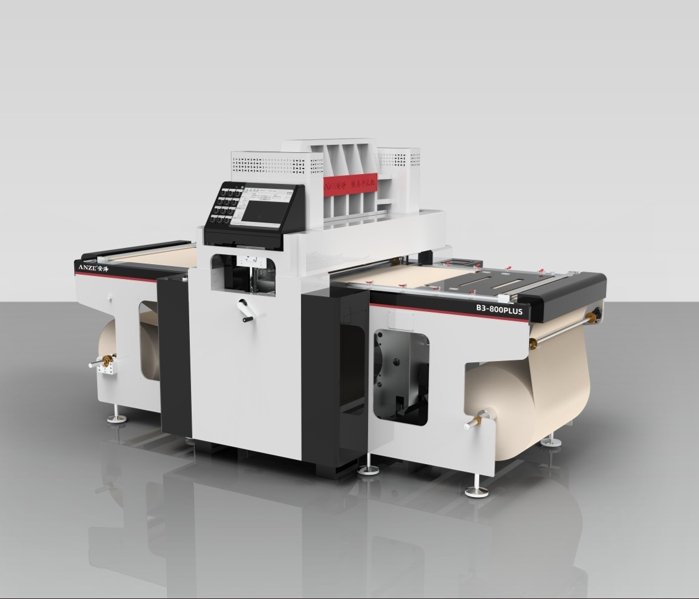
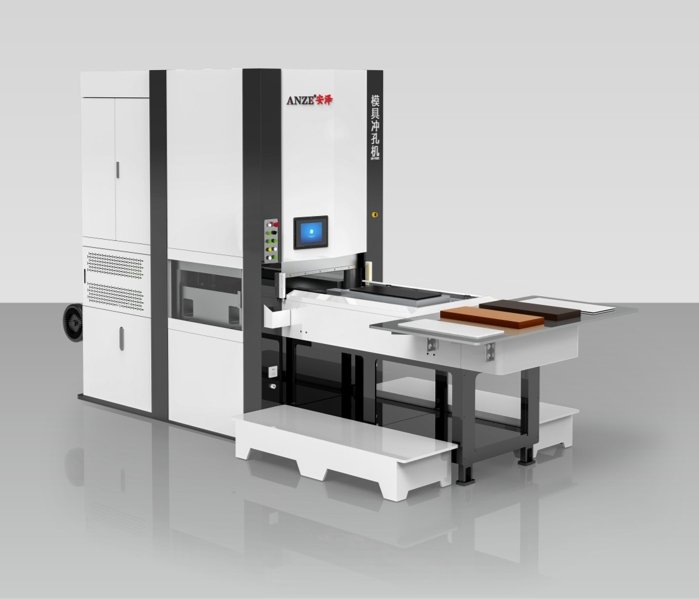
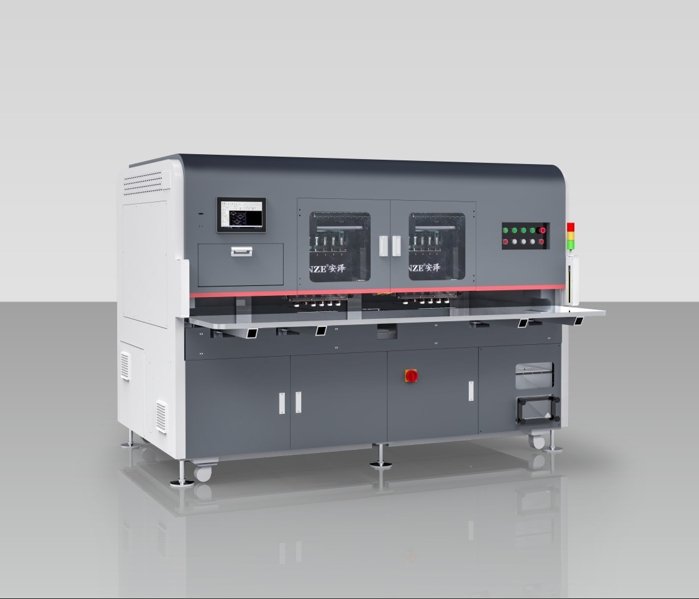
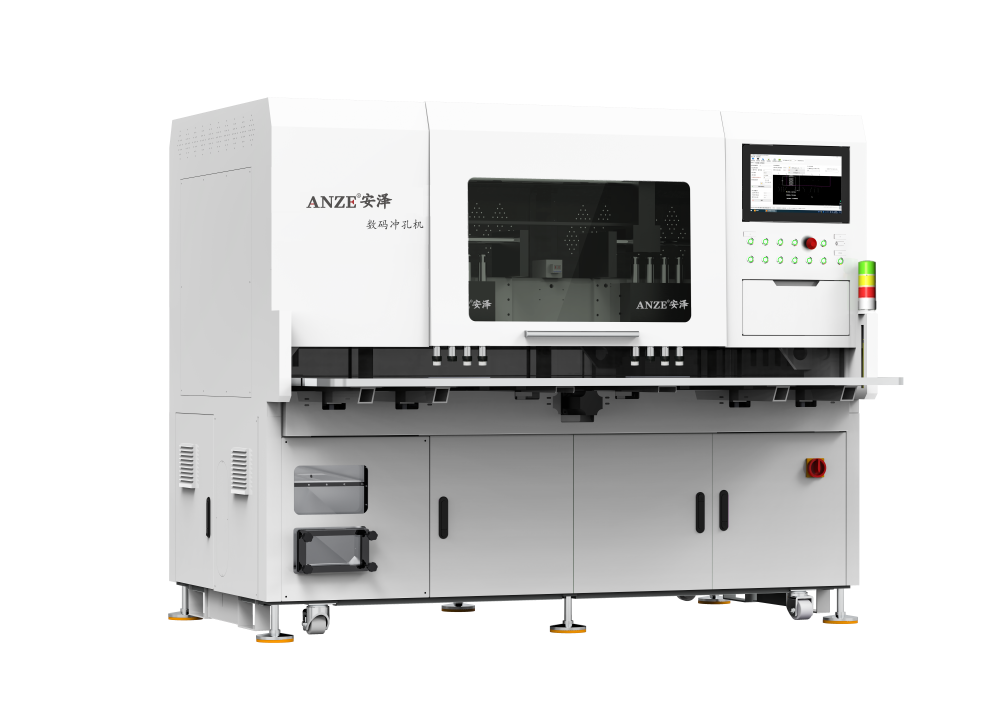
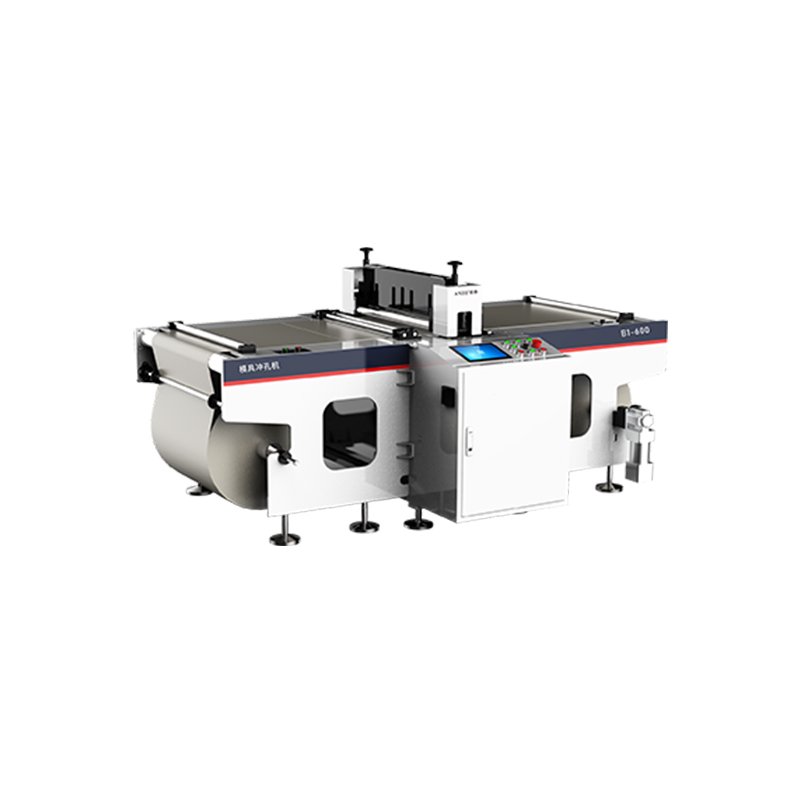
Equipamento de perfuração de couro refere-se a máquinas e sistemas industriais projetados especificamente para criar furos precisos em couro natural, couro sintético, microfibra e outros materiais flexíveis. Esses furos podem servir a propósitos funcionais, estéticos ou acústicos, dependendo da aplicação.
Diferentemente das máquinas de perfuração genéricas, o equipamento de perfuração de couro é projetado para atender às características exclusivas do couro, incluindo:
Espessura variável
Estrutura de grão natural
Elasticidade e comportamento de estiramento
Sensibilidade da superfície
O equipamento profissional de perfuração de couro garante bordas de furo limpas, posicionamento preciso e resultados consistentes em grandes lotes de produção.
Principais tipos de equipamento de perfuração de couro
Equipamento mecânico de perfuração de couro
O equipamento mecânico de perfuração de couro usa mecanismos acionados por came ou manivela para aplicar a força de perfuração. Esses sistemas são comumente usados em ambientes de produção de alto volume em que os padrões permanecem fixos.
Vantagens:
Alta confiabilidade
Estrutura simples
Baixos requisitos de manutenção
Equipamento pneumático para perfuração de couro
O equipamento pneumático de perfuração de couro usa ar comprimido para acionar os punções de perfuração. Esses sistemas oferecem controle de força moderado e são adequados para couro mais fino e materiais flexíveis.
Vantagens:
Operação suave
Pressão ajustável
Menor investimento inicial
Equipamento hidráulico para perfuração de couro
O equipamento hidráulico de perfuração de couro oferece alta força de perfuração e é adequado para materiais de couro espessos ou com várias camadas.
Vantagens:
Saída de força forte e estável
Adequado para aplicações pesadas
Profundidade de perfuração consistente
Equipamento de perfuração de couro com controle servo e CNC
Os equipamentos de perfuração de couro servo-acionados e CNC representam a categoria mais avançada, oferecendo controle de movimento programável, posicionamento preciso e integração de automação.
Vantagens:
Alta precisão
Controle de padrão flexível
Integração com sistemas de produção digital
A ANZE é especializada em equipamentos de perfuração de couro servo-assistidos que equilibram produtividade e precisão.

Componentes principais do equipamento de perfuração de couro
Estrutura do equipamento de perfuração de couro
O quadro estrutural determina a rigidez e a estabilidade de longo prazo do equipamento de perfuração de couro. A ANZE projeta estruturas reforçadas usando aço de alta resistência para evitar a deformação durante a operação contínua.
Sistema de ferramentas de perfuração
O sistema de ferramentas inclui punções, matrizes e placas de perfuração. O equipamento de perfuração de couro de alta qualidade usa aço temperado para garantir:
Longa vida útil da ferramenta
Clean hole edges
Minimal burr formation
Drive and Transmission System
The drive system controls how force is applied during perforation. In advanced leather perforating equipment, servo motors and precision gearboxes provide accurate stroke control.
Control System and Automation
Modern leather perforating equipment integrates PLC or CNC controllers that manage:
Stroke speed
Pressure control
Position accuracy
Safety functions
Automation improves consistency and reduces dependence on operator skill.
How Leather Perforating Equipment Works
The basic working cycle of Equipamento de perfuração de couro includes:
Material positioning and alignment
Clamping or vacuum fixation
Controlled punching motion
Hole formation and waste removal
Return stroke and material release
Each step is carefully controlled to protect the leather surface and ensure uniform perforation quality.
Applications of Leather Perforating Equipment
Automotive Interior Leather Perforation
Leather perforating equipment is widely used for:
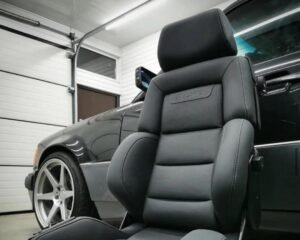
Capas para assentos de carro
Couro do painel da porta
Steering wheel leather
Speaker grille leather
Precise perforation improves ventilation, comfort, and acoustic performance.
Furniture and Upholstery Industry
In furniture manufacturing, leather perforating equipment enables:
Ventilation for seating comfort
Decorative patterns
Improved material flexibility
Footwear and Shoe Upper Production
Shoe manufacturers rely on leather perforating equipment for:
Respirabilidade
Weight reduction
Design differentiation
Bags, Luggage, and Fashion Accessories
In fashion and leather goods, leather perforating equipment ensures:
Consistent visual appearance
High-end finishing quality
Efficient mass production
Technical Advantages of Professional Leather Perforating Equipment
High Precision and Repeatability
Advanced leather perforating equipment maintains consistent hole diameter and spacing across thousands of cycles.
Improved Production Efficiency
Automated leather perforating equipment significantly reduces cycle time and labor cost.
Reduced Scrap and Material Waste
Controlled force and precision tooling minimize tearing and deformation.
Long-Term Operational Stability
Industrial-grade leather perforating equipment is engineered for continuous operation with minimal downtime.
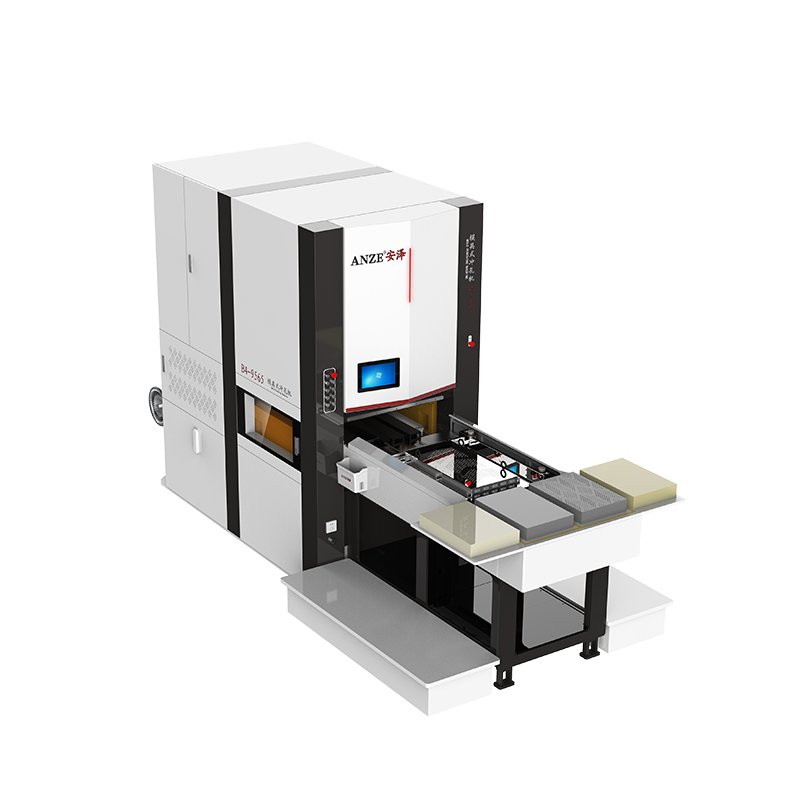
Leather Perforating Equipment Design Considerations
Leather Thickness and Type
Different leather types—natural, synthetic, microfiber—require different perforation parameters. ANZE designs leather perforating equipment with adjustable settings to handle multiple materials.
Hole Size, Density, and Pattern
Hole geometry affects airflow, aesthetics, and structural integrity. Custom tooling allows manufacturers to meet specific design requirements.
Surface Protection and Edge Quality
Professional leather perforating equipment prevents surface damage and ensures clean hole edges without burning or fraying.
Safety Systems in Leather Perforating Equipment
Modern leather perforating equipment incorporates:
Emergency stop systems
Light curtains
Two-hand operation controls
Protective enclosures
Safety compliance is essential for industrial environments.
Maintenance and Lifecycle Management of Leather Perforating Equipment
Proper maintenance includes:
Regular punch inspection
Alignment checks
Lubrication
Software updates for CNC systems
Well-maintained leather perforating equipment can operate reliably for many years.
Selecting the Right Leather Perforating Equipment
When choosing leather perforating equipment, manufacturers should evaluate:
Production volume
Material characteristics
Required precision
Automation level
Integration with existing production lines
ANZE provides technical consultation to help customers select the most suitable solution.
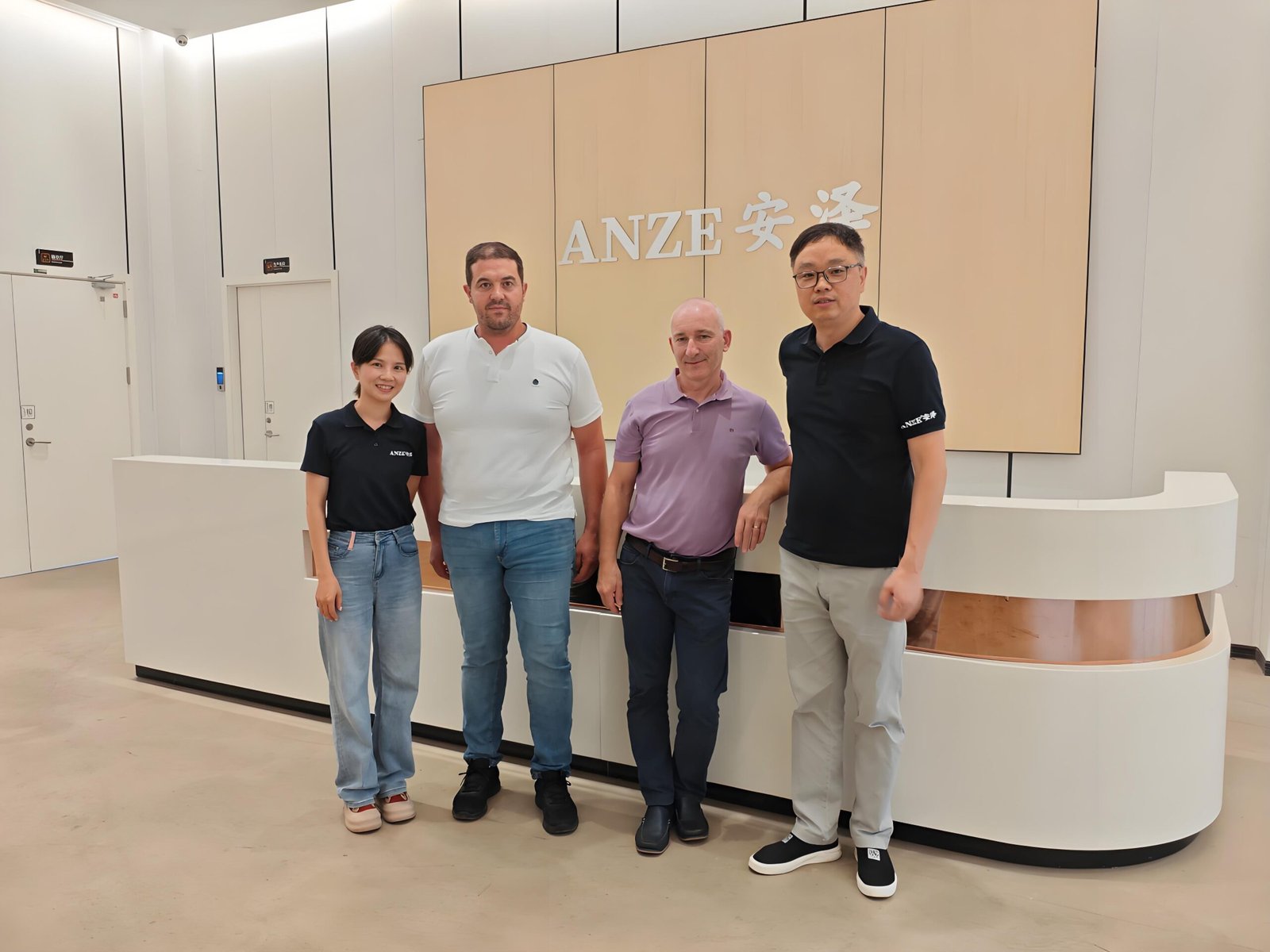
Why Choose ANZE Leather Perforating Equipment
With more than 20 years of manufacturing experience, ANZE has developed a complete portfolio of leather perforating equipment for global customers.
ANZE advantages include:
In-house R&D and tooling design
Customizable solutions
Stable quality control systems
Long-term technical support
ANZE leather perforating equipment is used in automotive, furniture, footwear, and leather goods industries worldwide.
Cost Efficiency and Return on Investment
Although professional leather perforating equipment requires initial investment, it delivers long-term value through:
Higher productivity
Lower scrap rate
Reduced labor costs
Consistent quality output
Future Trends in Leather Perforating Equipment
Emerging developments include:
Smart sensors for force monitoring
Integration with Industry 4.0 systems
Servoacionamentos com eficiência energética
Modular tooling systems
ANZE continues to innovate to meet future manufacturing demands.
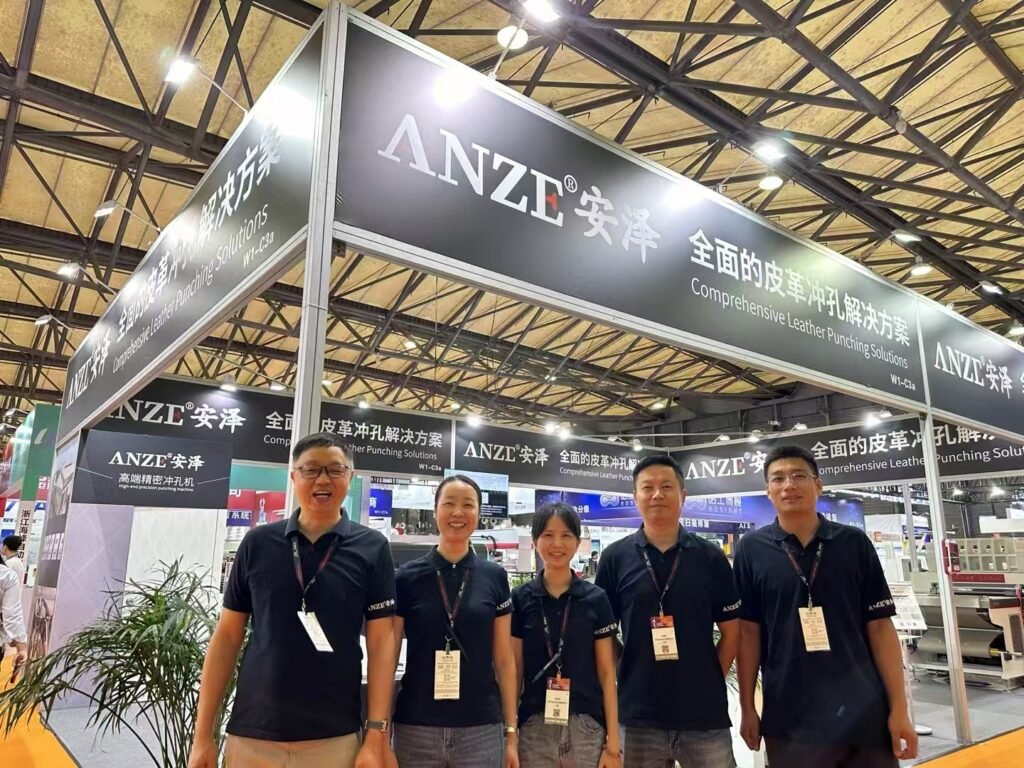
Frequently Asked Questions About Leather Perforating Equipment
What materials can leather perforating equipment process?
Leather perforating equipment can process natural leather, synthetic leather, microfiber, fabric, and other flexible materials.
Is leather perforating equipment suitable for mass production?
Yes. Industrial leather perforating equipment is designed for high-volume, continuous production.
Can leather perforating equipment be customized?
Professional manufacturers like ANZE offer customized tooling and configurations.
The Strategic Role of Leather Perforating Equipment
Equipamento de perfuração de couro plays a vital role in modern leather manufacturing by delivering precision, efficiency, and consistency. From automotive interiors to fashion accessories, high-quality perforation directly impacts product performance and aesthetics.
With two decades of engineering experience, ANZE continues to provide reliable, high-performance leather perforating equipment tailored to real-world manufacturing needs. For companies seeking stable quality, scalable production, and long-term value, professional leather perforating equipment remains an essential investment.
Com uma equipe experiente e qualificada, dominamos as características de diversos materiais e as tecnologias de processamento, sendo capazes de personalizar máquinas de perfuração de couro de acordo com as necessidades do cliente. Em caso de dúvidas, entre em contato conosco! WhatsApp: +86 180 0298 0031
Como instalar e fazer a manutenção da máquina?
Alguns modelos são enviados montados na fábrica. Equipamentos grandes são embalados em várias partes e um manual de instalação é fornecido. Todos os equipamentos são equipados com manuais do usuário em chinês e inglês.
Os clientes podem enviar alguém à fábrica da Anze para aprender ou nós enviamos especialistas técnicos para fornecer treinamento no local
Quais são os requisitos do ambiente de trabalho da máquina?
O Máquina de perfuração de couro CNC deve ser fixado em uma mesa estável e o ambiente deve ser mantido limpo e organizado para evitar o contato com poeira, eletricidade estática, umidade e cavacos que possam causar falhas nas peças.
Como são suas políticas de pós-venda?
Temos uma equipe de pós-venda experiente, serviço on-line 24 horas e um sistema de pós-venda completo. Suporte de treinamento na fábrica, vídeo técnico disponível para manutenção de máquinas no exterior. suporte, suporte on-line, engenheiros.
Você está disponível para convites no local?
É claro que estamos à disposição para visitar nossa empresa e nos comunicarmos pessoalmente para promover negócios mútuos.
Qual é o prazo de entrega?
O prazo de entrega varia de acordo com a quantidade e a personalização do pedido, geralmente de 7 a 10 dias úteis. Se o pedido for de uma máquina de perfuração de couro personalizada, levará de 1 a 2 meses.