
Last Updated on 2025-12-06 by Anze
In the modern leather-processing industry, the perfing machine has evolved into one of the most essential pieces of industrial equipment. Whether producing automotive interiors, luxury handbags, footwear uppers, sofa upholstery, or functional micro-perforated technical materials, manufacturers rely on high-precision perforation systems to create consistent patterns, improve product performance, and meet global consumer expectations for breathable, lightweight, and aesthetically refined leather goods.
For more than two decades, Anze has specialized in the research, development, and manufacturing of leather perforation machinery. With over 20 years of engineering experience and more than 20 best-selling machine models deployed worldwide, Anze provides complete perforation solutions for leather, microfiber, PU, PVC, vegan leather, and other composite materials. Our equipment integrates mechanical punching, CNC servo drive systems, advanced automation, customizable patterns, and optional micro-perforation modules.
This comprehensive blog examines the perfing machine from over eight professional dimensions:
Product introduction
System architecture
Perforation principles
Functional advantages
Application fields
Performance parameters
Process optimization & operation techniques
Maintenance, safety, and lifecycle management
Buying guide & solution customization
1. Perfing Machine Fundamentals: What Is a Perfing Machine?
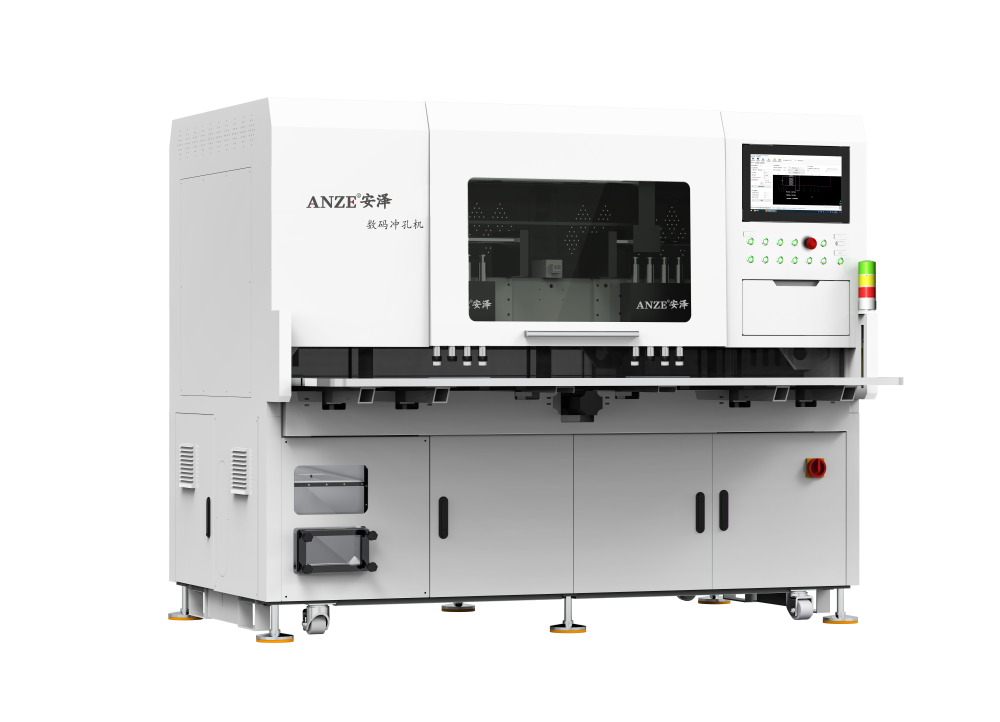
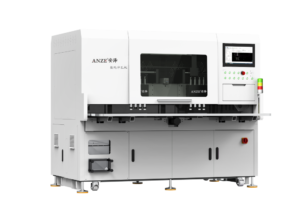
A perfing machine is specialized equipment designed to punch or laser-cut holes into leather and related materials. Depending on configuration, a perfing machine can generate:
Standard round holes
Micro-holes (0.2–1.0 mm)
Decorative shapes
Uniform arrays
Complex programmable patterns
Ventilation grids
Acoustic perforation structures
The primary objective of the perfing machine is to produce high-speed, accurate, and repeatable perforation results for small-batch or mass-production environments.
Core Components of a Perfing Machine
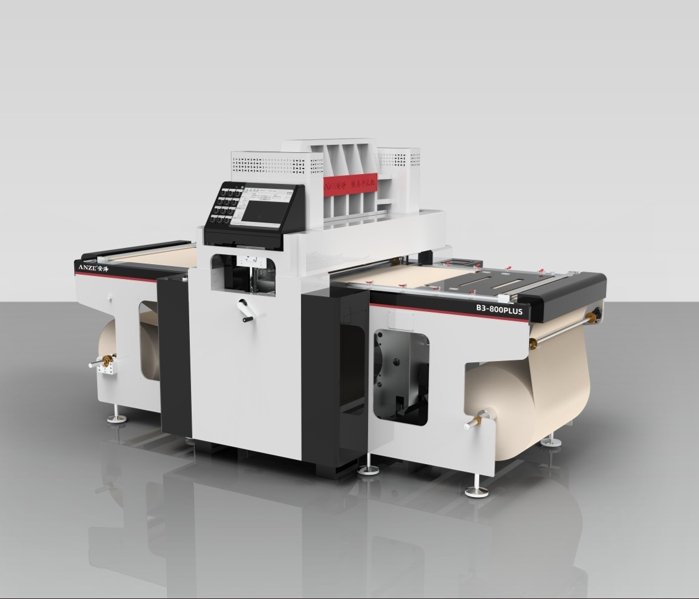
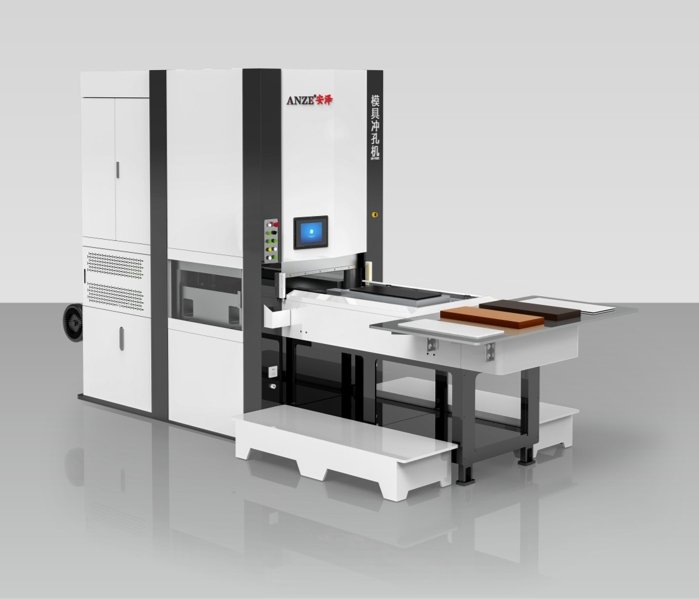
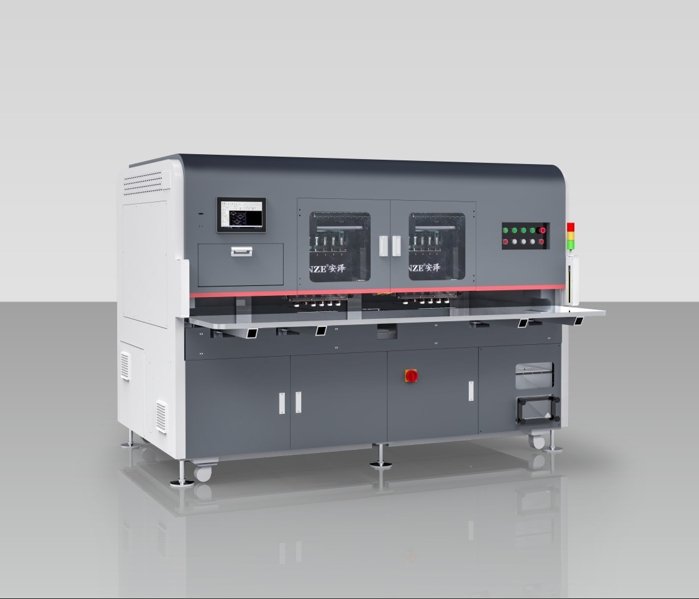
Although models vary, a typical perfing machine includes:
Servo-driven punching head or laser module
Control panel / CNC programming system
Precision feeding system (roller feed or flatbed conveyor)
Die-punching tools or laser optics
Vacuum waste-removal system
Safety protection and emergency stop mechanisms
The structure is engineered to withstand continuous industrial loads, ensuring stable perforation lines over long production cycles.
In manufacturing, the word perfing machine is widely used by factories, engineers, and procurement specialists, especially in the U.S., Europe, and Southeast Asia. By optimizing this blog around the keyword “perfing machine,” we help ensure that customers searching for leather perforation technology online can easily discover Anze’s solutions.
2. Perfing Machine Design Architecture: Inside the Engineering
The internal architecture of a perfing machine directly influences its speed, hole quality, pattern accuracy, and maintenance lifecycle. Anze designs each perfing machine with industrial-grade components built for durability and precision.
2.1 Mechanical Punching Architecture
Mechanical perfing machines use high-hardness steel punches to physically penetrate leather.
Key engineering features include:
Hardened tool steel punches
High-frequency up-down striking motion
Die plates with micro alignment systems
Air-powered or servo-powered punch cylinder
Replaceable die kits for pattern switching
Mechanical systems are ideal for deep perforation, thick materials, and long-distance industrial patterns.
2.2 Laser Perforation Architecture
Laser-based perfing machines use high-energy laser beams to vaporize material.
Advantages:
Zero tool wear
Ultra-fast micro-hole creation
Perfect edge smoothness
Suitable for intricate patterns
Laser systems are crucial for microfiber, synthetic leather, and fine ventilation structures.
2.3 Hybrid Architecture
Hybrid perfing machines integrate mechanical punching with laser modules to support:
Dual-material workflows
Switchable perforation modes
Hybrid pattern structures
Higher flexibility for designers
This architecture enables factories to rapidly adapt to new product lines and customized orders.
3. Working Principles of a Perfing Machine
Understanding how a perfing machine works helps engineers troubleshoot issues and optimize production.
3.1 Punch-Based Perfing Principle
Mechanical punching relies on:
Precise alignment of the punch and die
Downward striking force
Discharge of leather residue
Continuous feeding to create repeating patterns
Punching provides high speed, making it the preferred method for large-scale production such as automotive seats or sofa upholstery.
3.2 Laser Perfing Principle
Laser perforation uses:
Focused optical energy
Heat-driven material vaporization
Programmable beam path control
Continuous scanning motion
Laser perforation excels at micro-perforation, acoustic patterns, and precise decorative designs.
3.3 Pattern Programming Principle
Using CNC software, operators can control:
Hole position
Hole diameter
Pattern spacing
Feed speed
Punching force
Multi-zone perforation
An advanced perfing machine allows digital pattern import (DXF, AI, CAD formats).
4. Functional Advantages of a Modern Perfing Machine
4.1 High Precision
Perfing machines achieve ±0.1–0.2 mm accuracy due to:
Servo motor control
Perfect punch-die alignment
Anti-slip feed rollers
4.2 High Speed
Anze machines can reach:
Up to 350–500 punches per second (mechanical)
Over 2,000 micro-holes/min (laser)
4.3 Stable Processing Quality
Essential for high-end leather goods where pattern consistency matters.
4.4 Large-Format Perforation
Ideal for sofa leather, automotive seats, and industrial upholstery.
4.5 Long Service Life
Machine frames are engineered for 10–15+ years of operation.
4.6 Low Maintenance Cost
Mechanical modules are easy to clean, adjust, and maintain.
4.7 Multi-material Support
A perfing machine can perforate:
Genuine leather
Microfiber
PU, PVC, synthetic leather
Composite films
Laminated materials
4.8 Environmental Efficiency
Laser systems generate almost no waste, while punching systems include automatic waste removal.

5. Application Fields of Perfing Machine Technology
A perfing machine is used across more than a dozen industries. Below is a detailed analysis of the most common sectors.
5.1 Automotive Leather Interiors
Applications include:
Car seat ventilation
Steering wheel covers
Gear-shift covers
Door panels
Dashboard decoration
Uniform perforation is crucial for comfort and breathability.
5.2 Sofa and Furniture Upholstery
Large-format perforation areas require:
Stable feeding
Strong punching force
Long-distance alignment accuracy
Perfing machines ensure visual uniformity across long sofa panels.
5.3 Footwear Manufacturing
Used for:
Vamp ventilation
Fashionable patterns
Performance athletic shoes
Micro-perforated PU shoe lining
5.4 Luxury Bags & Leather Goods
High-end bag brands rely on laser micro-perforation for:
Decorative patterns
Brand logos
Lightweight functional panels
5.5 Apparel & Technical Textiles
Perforation enhances:
Breathability
Moisture management
Aesthetic detailing
5.6 Medical & Industrial Equipment
Perfing machines create clean, precise holes for:
Protective leather covers
Medical seating cushions
Technical filtration leather
5.7 Aircraft & Marine Interiors
Premium aviation leather requires stable and repeatable perforation performance.
6. Technical Parameters of a Perfing Machine
Typical specifications include:
| Parameter | Value | Notes |
|---|---|---|
| Punching Speed | 300–500 hits/sec | Model dependent |
| Laser Speed | 20–40 m/s | For micro perforation |
| Accuracy | ±0.1 mm | CNC controlled |
| Feeding Width | 600–1600 mm | Large-format support |
| Hole Diameter | 0.2–4.0 mm | Customizable |
| Power System | Servo motor | High stability |
| Control System | PC or HMI panel | Pattern programming |
7. Process Optimization: How to Achieve Perfect Perforation
7.1 Material Preparation
Ensure leather moisture level is consistent
Avoid wrinkles or uneven tension
Keep leather surface clean
7.2 Pattern Optimization
Choose appropriate hole spacing
Adjust punching force based on thickness
Use anti-stretch compensation algorithms
7.3 Production Techniques
Maintain stable feeding speed
Monitor punch wear
Perform regular calibration
7.4 Quality Inspection Standards
Check for:
Hole uniformity
Consistent depth
No burn marks (laser)
No tearing (punching)
Accurate alignment
8. Maintenance and Safety of Perfing Machine
8.1 Daily Maintenance
Lubricate guide rails
Clean punch tips
Check feeding rollers
Inspect sensors
8.2 Long-Term Maintenance
Replace worn punches
Clean laser optics
Update pattern software
8.3 Safety Systems
Emergency stop button
Infrared safety curtains
Overload protection
Anti-collision sensors
A perfing machine should always operate under trained personnel for maximum safety and efficiency.
9. Choosing the Right Perfing Machine: A Professional Buying Guide
When selecting a perfing machine, consider:
9.1 Material Type
Genuine leather → mechanical
Microfiber → laser
Mixed materials → hybrid
9.2 Required Speed
High-volume factories need stronger servo systems.
9.3 Pattern Requirements
Complex patterns require CNC digital controls.
9.4 Budget and ROI
Evaluate cost vs. long-term productivity.
9.5 Manufacturer Expertise
Anze provides:
20+ years R&D
Global service support
Customized engineering solutions
High-end perforation technology
9.6 On-site Demonstration
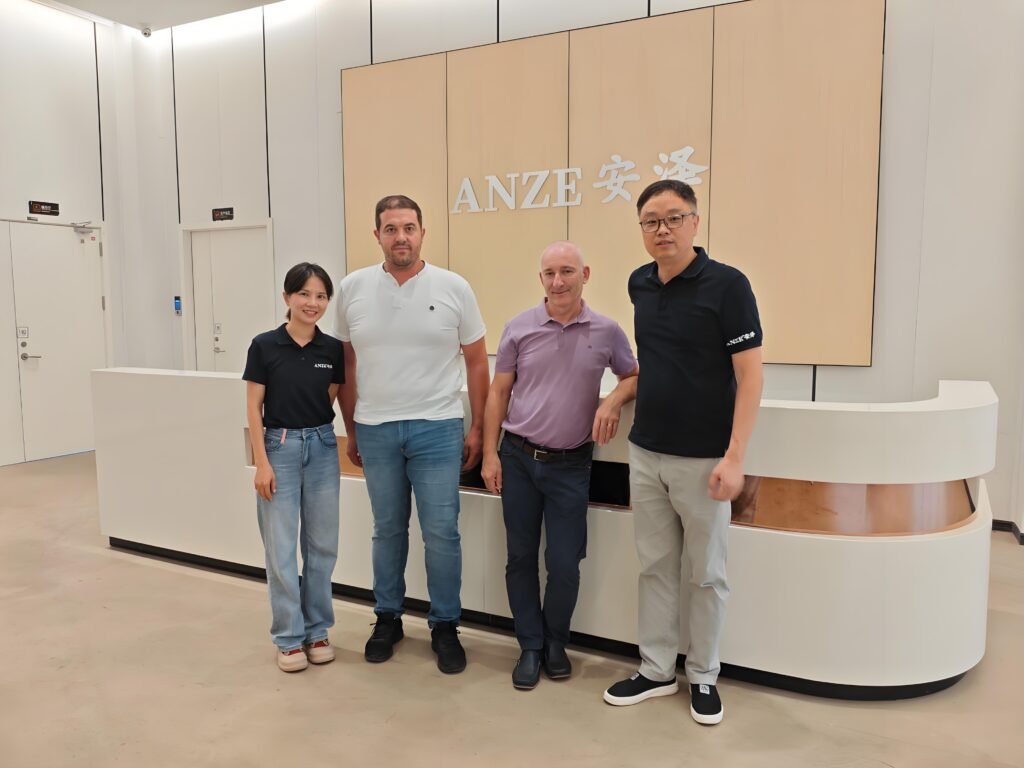
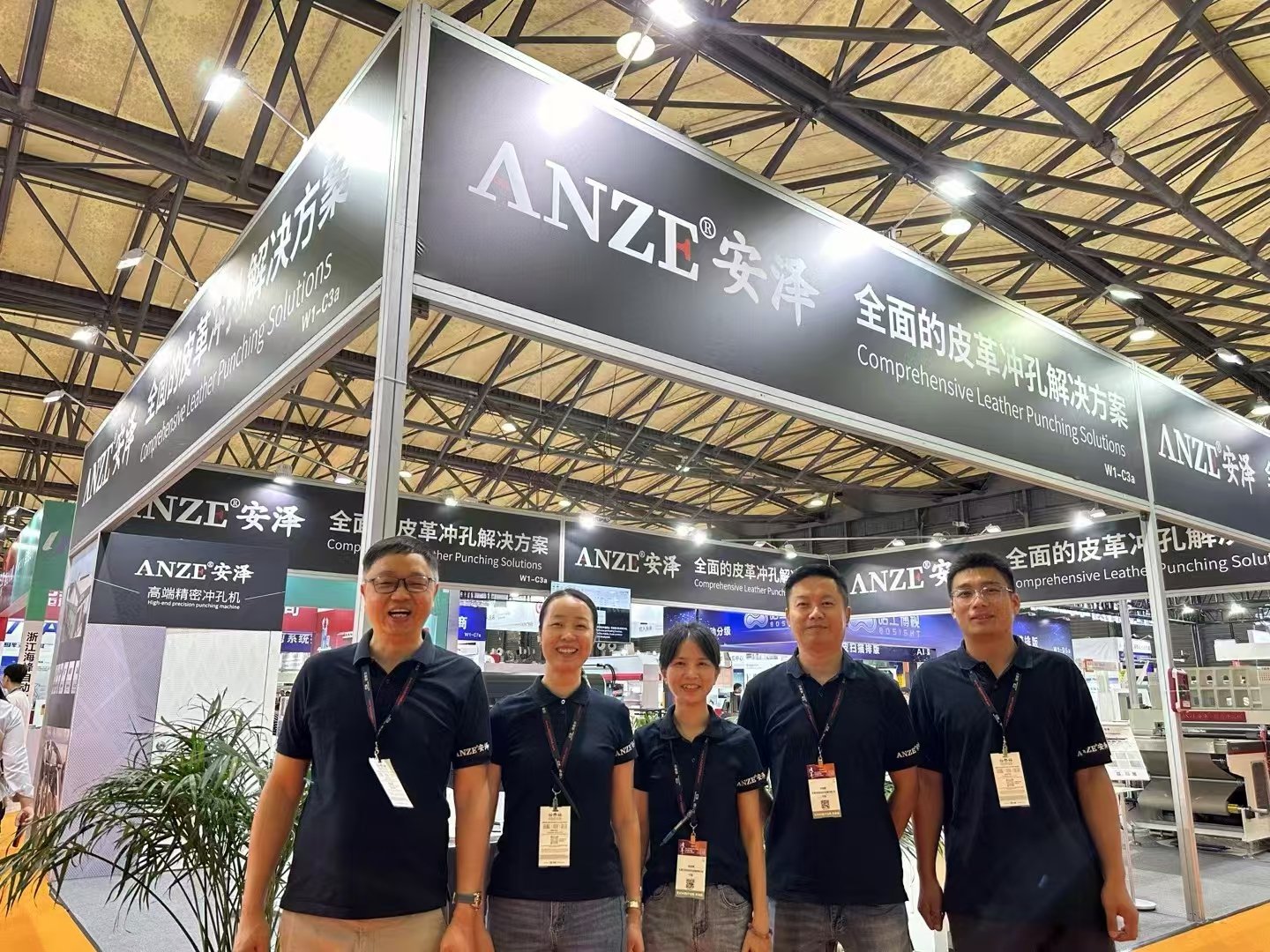
Many customers visit Anze’s factory for live performance testing.
Why Anze Perfing Machines Lead the Global Leather Market
The perfing machine is now a critical tool for modern leather industries worldwide. With rapidly expanding applications in automotive interiors, luxury leather goods, footwear, and furniture upholstery, global manufacturers require high-precision, high-speed, and high-durability equipment.
Anze’s perfing machines provide:
Industrial-grade durability
Advanced CNC control
Wide material compatibility
Stable high-speed output
Excellent perforation aesthetics
Full customization for global OEM factories
With more than 20 years of engineering experience, Anze stands as one of the world’s leading providers of professional leather perforation equipment.
If your factory needs a perfing machine with world-class technology, long lifecycle, and premium engineering, Anze is your trusted partner.
With an experienced and skilled team, we are familiar with all kinds of material characteristics and processing technology, and can customize perforating leather Machine according to customer needs. Any questions please contact us! Whatsapp +86 180 0298 0031
How to install and maintain the machine?
Some models are shipped assembled in the factory. Large equipment is packaged in several parts and an installation manual is provided. All equipment is equipped with user manuals in Chinese and English.
Customers can send someone to anze factory to learn or we send technical experts to provide on-site training
What are the machine working environment requirements?
The CNC Leather Punching Machine should be fixed on a stable table and the environment should be kept clean and tidy to avoid contact with dust, static electricity, humidity, and chips to cause parts failure.
How is your after-sales policies?
We have an experienced after-sales team 24h online service and a completafter-sale system. Factory trainning support, Video technical available to service machinery overseas. support, online support, Engineers.
Are you available for on-the-spot invitation?
Of course we do welcome to visiting our company and have a face-to-face communication to advance mutual business.
What's the delivery time?
Lead time varies depending on the order quantity and customization, typically ranging from 7 to 10 working days.If it is a custom leather punching machine order, it takes 1-2 months.

 English
 Portuguese
 Italian
 Vietnamese
 Russian
 French
 Spanish
 Arabic