

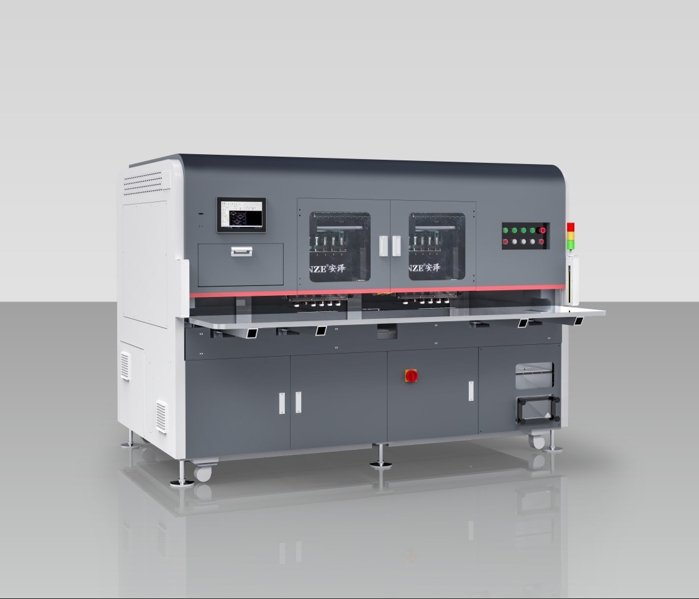
Last Updated on 2026-09-03 by 안제
Anze Leather Perforating Machine Solutions for Stable Mold Performance When Processing Oil-Rich Leather Materials
Oil-tanned leather is widely recognized for its unique appearance, softness, flexibility, and durability. Because of these advantages, it is frequently used in premium applications such as:
- Automotive interiors
- Luxury furniture
- Motorcycle seats
- High-end bags and accessories
- Outdoor leather products
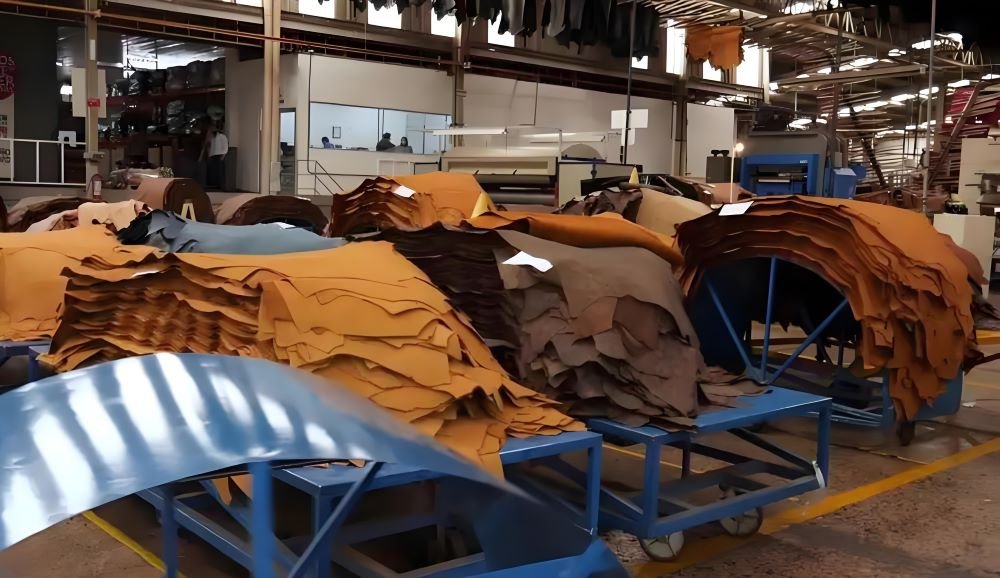
Unlike conventional leather, oil-tanned leather contains a higher amount of natural oils, waxes, and lubricating compounds inside its fiber structure. These oils create a smooth touch feeling and excellent flexibility, but they also introduce a difficult challenge during leather perforation processing.
When oil-tanned leather is processed by a traditional mold punching system, oil residue can gradually accumulate inside the punching molds and around the cutting edges.
This can cause problems such as:
- Leather material sticking inside mold holes
- Reduced punching efficiency
- Blocked punching holes
- Increased machine downtime
- Poor hole edge quality
- Uneven perforation results
For leather processing factories producing large quantities of perforated leather, especially automotive and furniture manufacturers, mold contamination can seriously affect production efficiency.
전문가 가죽 천공기 must consider not only punching force and accuracy but also material characteristics such as oil content, softness, elasticity, and surface treatment.
경험이 풍부한 사람으로서 가죽 천공기 제조업체 with more than 20 years of engineering experience, Anze has developed more than 20 models of leather punching equipment and provided customized solutions for different leather materials.
Through optimized mold structures, improved punching processes, and professional technical solutions, Anze helps customers solve oil residue problems and maintain stable production quality.
This article explains why oil-tanned leather blocks punching molds and how advanced 가죽 천공기 technology prevents oil residue from affecting production.
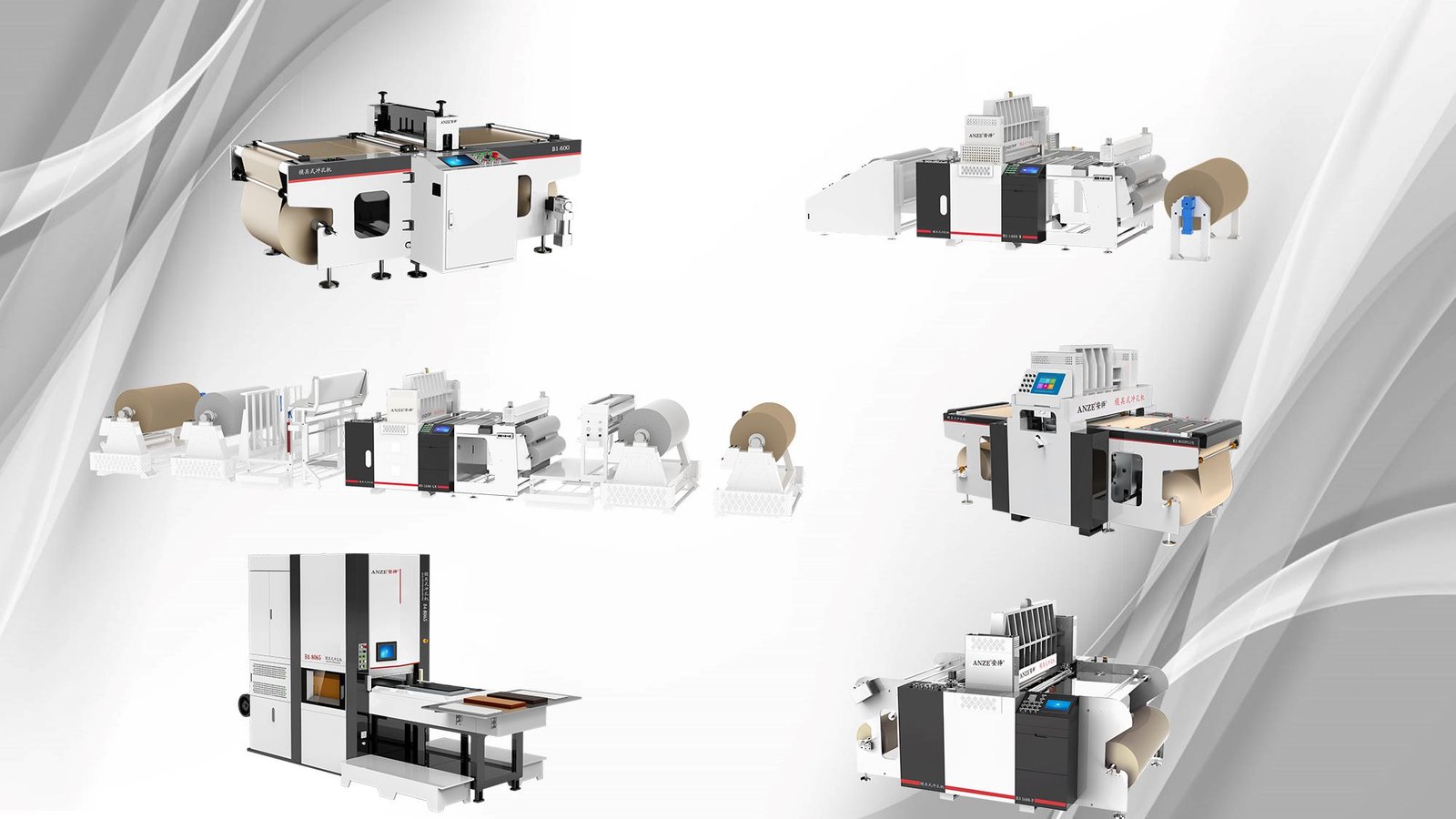
Understanding Oil-Tanned Leather Before Using a Leather Perforating Machine
Before solving mold blockage problems, manufacturers need to understand the characteristics of oil-tanned leather.
Oil-tanned leather is produced by introducing oils and lubricating agents into the leather fibers during the tanning process.
These oils provide:
- Soft hand feeling
- High flexibility
- Natural appearance
- Better resistance to cracking
However, these same properties create challenges during punching.
Why Oil-Tanned Leather Is Different from Normal Leather
Compared with standard leather, oil-tanned leather has:
Higher Oil Content
The internal oil content can migrate toward the surface during processing.
During punching, heat and pressure may force oil out of the leather structure.
Softer Fiber Structure
Oil-treated fibers are more flexible.
This improves comfort but may make clean punching more difficult.
Higher Surface Lubricity
The surface may become slippery, affecting:
- 재료 위치 지정
- Punching stability
- Mold cleanliness

Common Problems When Punching Oil-Tanned Leather
Problem 1: Oil Residue Sticking Inside Punching Molds
The most common issue is oil accumulation inside mold holes.
During continuous operation:
- The punching tool contacts oily leather.
- Oil transfers onto the mold surface.
- Leather particles mix with oil.
- Residue gradually builds up.
Eventually, the mold openings become partially blocked.
How Mold Blockage Affects Leather Perforating Machine Performance
A blocked mold can create several production problems.
Reduced Punching Quality
When holes become partially blocked:
- Leather cannot separate completely
- Hole edges become rough
- Waste removal becomes difficult
Increased Machine Load
Blocked molds require more punching force.
This may cause:
- Higher energy consumption
- Faster component wear
- Reduced machine stability
Lower Production Efficiency
Operators need to stop frequently for:
- Mold cleaning
- Manual maintenance
- Production adjustment
This reduces overall productivity.
Problem 2: Oil Causes Leather Waste to Stick to Mold Components
During punching, small leather particles are created.
Normally, these particles should be removed easily.
However, oil residue acts like an adhesive.
The combination of:
- Leather dust
- Oil
- Heat
- Pressure
creates sticky contamination.
This is especially problematic in high-volume production.
Problem 3: Hole Edge Quality Problems
A clean punching process requires:
- Sharp cutting edges
- Smooth material separation
- Stable punching movement
When oil contamination occurs:
- Cutting performance decreases
- Material may stretch instead of cutting
- Hole edges become uneven
For premium leather applications, this is unacceptable.
How Anze Leather Perforating Machine Solutions Prevent Oil Residue Problems
Anze engineers analyze the complete punching process instead of focusing only on the punching tool.
Our solutions include improvements in:
- Mold design
- Punching parameters
- Cleaning systems
- Material handling
1. Optimized Punching Mold Design for Oil-Tanned Leather
The mold structure plays a critical role.
Anze engineers optimize:
Mold Hole Geometry
Proper geometry helps:
- Reduce material accumulation
- Improve waste removal
- Maintain cutting efficiency
Surface Treatment Technology
The mold surface can be optimized to reduce:
- Oil adhesion
- Material sticking
- Friction
Easy Maintenance Structure
전문가 가죽 천공기 should allow efficient cleaning and maintenance.
Anze designs systems that reduce downtime during production.
2. Correct Punching Parameters for Oil-Rich Leather
Oil-tanned leather requires different settings compared with dry leather.
Important parameters include:
Punching Speed
Too fast:
- Generates more heat
- Increases oil migration
Too slow:
- Reduces productivity
Anze engineers optimize speed according to material conditions.
Punching Pressure
Excessive pressure may:
- Compress leather
- Push oil outward
- Increase contamination
Proper force control improves mold cleanliness.
3. Cooling and Heat Management
Heat is one of the major causes of oil migration.
During continuous punching:
- Mold temperature increases
- Oil becomes more fluid
- Residue formation accelerates
안제 가죽 천공기 solutions consider thermal management.
Benefits include:
- Reduced heat accumulation
- More stable long-term operation
- Improved mold lifespan
4. Effective Waste Removal System
Leather punching creates waste particles.
For oil-tanned leather, waste removal becomes even more important.
Anze equipment can integrate:
- Waste collection systems
- Dust extraction solutions
- Cleaning mechanisms
This prevents particles from returning into the punching area.
CNC Perforating Leather Machine Advantages for Oil-Tanned Leather Processing
Although mold punching machines are widely used for high-volume production, CNC technology provides additional flexibility.
A CNC perforating leather machine 제공 상품:
Flexible Processing Parameters
Operators can adjust:
- Speed
- Position
- Pattern
- Punching sequence
according to leather characteristics.
Reduced Mold Dependency
CNC systems reduce some problems associated with fixed molds.
Advantages include:
- Faster design changes
- Lower tooling requirements
- Easier customization
Better Control for Premium Leather Products
For luxury leather applications, CNC systems help achieve:
- Complex patterns
- Customized designs
- Consistent quality
Applications of Oil-Tanned Leather Perforation
Automotive Interior Industry
Oil-treated leather is used in premium vehicles because of its:
- Soft feeling
- Natural appearance
- Luxury characteristics
Applications include:
- Car seats
- Door panels
- Interior decorative components
A reliable 가죽 천공기 ensures:
- Stable ventilation holes
- Premium appearance
- Consistent production
Luxury Furniture Manufacturing
Oil-tanned leather is popular for:
- Sofas
- Lounge chairs
- Office seating
Manufacturers require:
- Beautiful perforation patterns
- Smooth hole edges
- High production stability
Motorcycle and Outdoor Leather Products
These products require:
- Durability
- Flexibility
- Breathability
Precision perforation improves comfort and design value.
How to Maintain Punching Molds When Processing Oil-Tanned Leather
Even with optimized equipment, proper maintenance is important.
Recommended practices include:
Regular Mold Inspection
Check:
- Hole condition
- Residue accumulation
- Cutting edge condition
Scheduled Cleaning
Cleaning frequency depends on:
- Leather oil content
- 생산 속도
- Working hours
Monitor Punching Quality
Early signs of contamination include:
- Rough hole edges
- Increased punching resistance
- Material sticking
Immediate adjustment prevents larger problems.

Why Choose Anze as Your Leather Perforation Machine Manufacturer?
Anze has more than 20 years of experience designing and manufacturing leather processing equipment.
Our customers include:
- Automotive interior manufacturers
- Furniture leather factories
- Leather processors
- Equipment distributors
Professional Experience with Different Leather Materials
Anze provides solutions for:
- Genuine leather
- Synthetic leather
- PU leather
- Oil-tanned leather
- Foam-laminated leather
More Than 20 Self-Developed Leather Punching Machines
Our product range includes:
- Mold leather perforation machines
- CNC perforating leather machines
- Automated leather punching systems
Customized Engineering Support
Every leather material behaves differently.
Anze provides customized recommendations based on:
- Leather structure
- Oil content
- 생산 요구사항
- Perforation design
Future Development of Leather Perforation Technology
As leather applications become more specialized, manufacturers need smarter processing solutions.
Future trends include:
- Intelligent mold monitoring
- Automated cleaning systems
- AI-based quality inspection
- Smart production management
Advanced 가죽 천공기 technology will continue improving efficiency and quality.
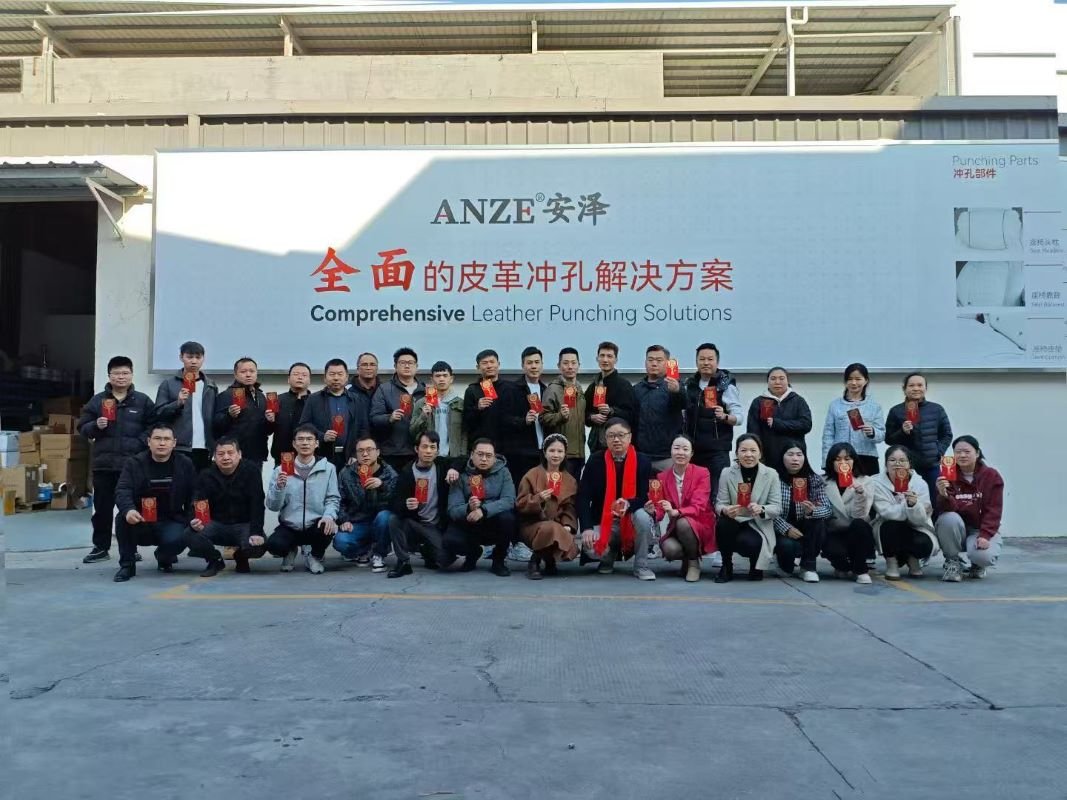
Anze provides customized leather punching solutions for challenging materials such as oil-tanned leather
Processing oil-tanned leather requires special attention because oil residue can easily affect punching molds and reduce production stability.
Common challenges include:
- Mold blockage
- Oil accumulation
- Reduced cutting performance
- Poor hole quality
전문가 가죽 천공기 must combine precise mechanical design, optimized molds, suitable processing parameters, and effective maintenance solutions.
With more than 20 years of experience, Anze provides customized leather punching solutions for challenging materials such as oil-tanned leather.
Through advanced 가죽 천공기 technology, professional engineering support, and customized CNC perforating leather machine solutions, Anze helps manufacturers achieve stable production, cleaner perforation results, and longer equipment service life.
당사는 풍부한 경험과 숙련된 기술을 갖춘 팀을 바탕으로 다양한 소재의 특성과 가공 기술을 깊이 이해하고 있으며, 고객의 요구 사항에 맞춰 가죽 타공기를 맞춤 제작해 드립니다. 문의 사항이 있으시면 언제든지 연락해 주십시오! WhatsApp: +86 180 0298 0031
장비의 설치 및 유지보수 방법은 무엇입니까?
일부 모델은 공장에서 조립된 상태로 출고됩니다. 대형 장비는 여러 부품으로 나누어 포장되며 설치 설명서가 함께 제공됩니다. 모든 장비에는 중국어 및 영어로 된 사용자 설명서가 포함되어 있습니다.
고객이 Anze 공장으로 인원을 보내 교육을 받게 하거나, 당사가 기술 전문가를 파견하여 현장 교육을 제공할 수 있습니다.
장비의 작업 환경 요건은 무엇입니까?
그만큼 CNC 가죽 펀칭기 기계는 안정적인 테이블 위에 고정해야 하며, 먼지, 정전기, 습기 및 칩과의 접촉으로 인한 부품 고장을 방지하기 위해 주변 환경을 깨끗하고 정돈되게 유지해야 합니다.
판매 후 서비스(A/S) 정책은 어떻게 되나요?
당사는 24시간 온라인 서비스를 제공하는 경험 많은 애프터서비스 팀과 완벽한 애프터서비스 시스템을 갖추고 있습니다. 공장 교육 지원, 해외 기계 서비스 지원을 위한 비디오 기술 지원, 온라인 지원, 엔지니어 지원 등을 제공합니다.
즉석에서 초대를 수락하실 수 있나요?
물론 저희 회사를 방문하셔서 직접 만나 뵙고 상호 사업 발전을 도모하시는 것을 환영합니다.
배송 기간은 얼마나 걸리나요?
제작 기간은 주문 수량 및 맞춤 제작 여부에 따라 다르며, 일반적으로 7~10 영업일이 소요됩니다. 가죽 펀칭기 맞춤 제작 주문의 경우 1~2개월이 소요됩니다.