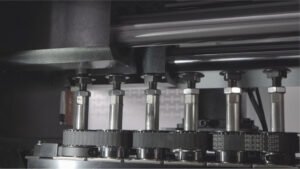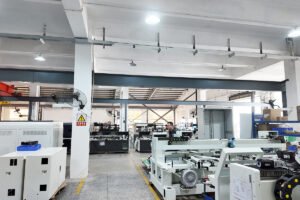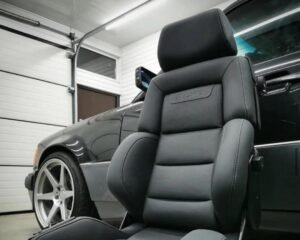











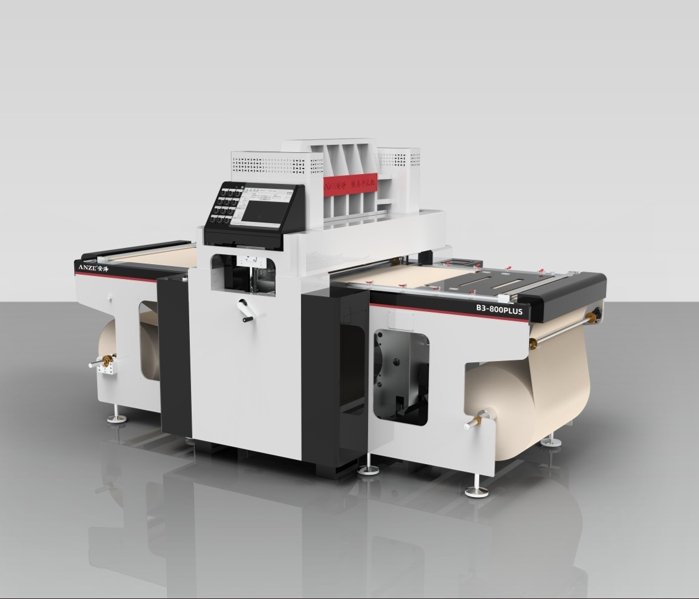
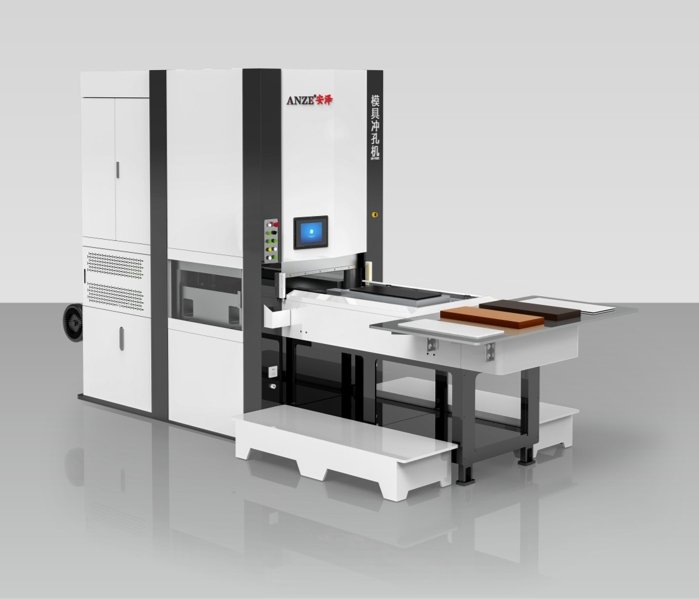
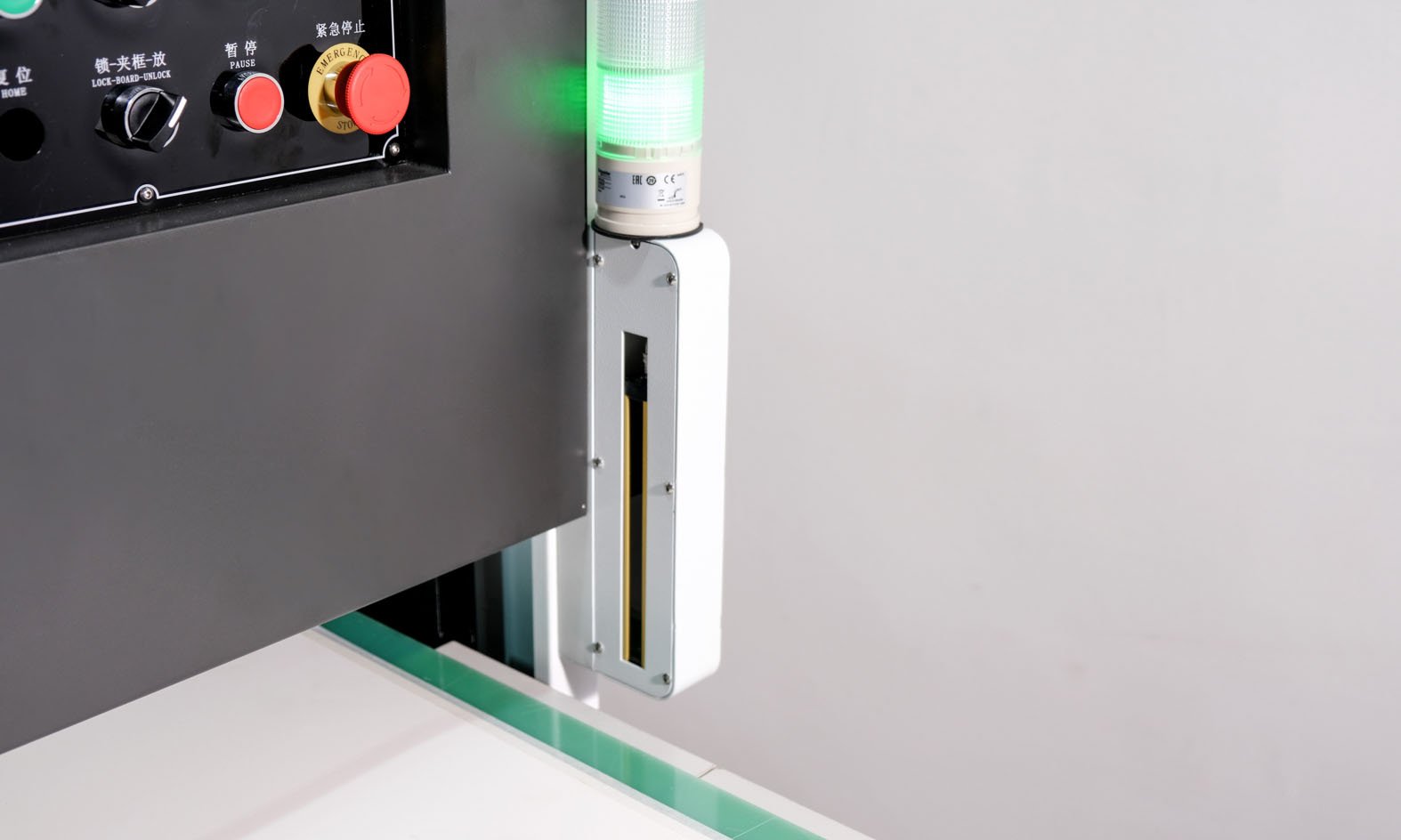
A mould leather perforation machine is widely used because of its advantages in high-speed production, consistent hole patterns, strong punching force, and excellent repeatability. Compared with manual punching methods, mould-based perforation technology provides significantly higher productivity and stable quality.
Anze Engineering Solutions for Stable Performance Under Extreme Leather Processing Conditions
In modern leather processing industries, production efficiency and equipment reliability are critical factors that determine factory competitiveness. Automotive seat manufacturers, leather furniture producers, leather processing factories, and industrial upholstery suppliers often require machines that can operate continuously during peak production seasons.
However, when a mould leather perforation machine operates continuously for extended periods, especially during peak seasons when factories require 24-hour production, heat management becomes a major engineering challenge.
Continuous operation can generate heat from:
- Hydraulic systems
- Servo motors
- Punching mechanisms
- Mechanical transmission components
- Electrical control systems
- High-frequency mould movement
If heat is not effectively managed, excessive temperature can affect:
- Machine accuracy
- Punching consistency
- Component lifespan
- Production stability
- Final leather quality
As a professional 皮革穿孔機メーカー with more than 20 years of experience, Anze has designed and manufactured more than 20 models of leather perforation equipment. Through years of cooperation with global customers, Anze engineers understand the challenges of long-term industrial operation.
To solve thermal problems in extreme production environments, Anze has developed professional heat dissipation solutions that help mould leather perforation machine systems maintain stable performance during continuous operation.
This article explains why heat dissipation matters, what causes overheating problems, and how Anze engineering solutions improve the reliability of leather perforation equipment.
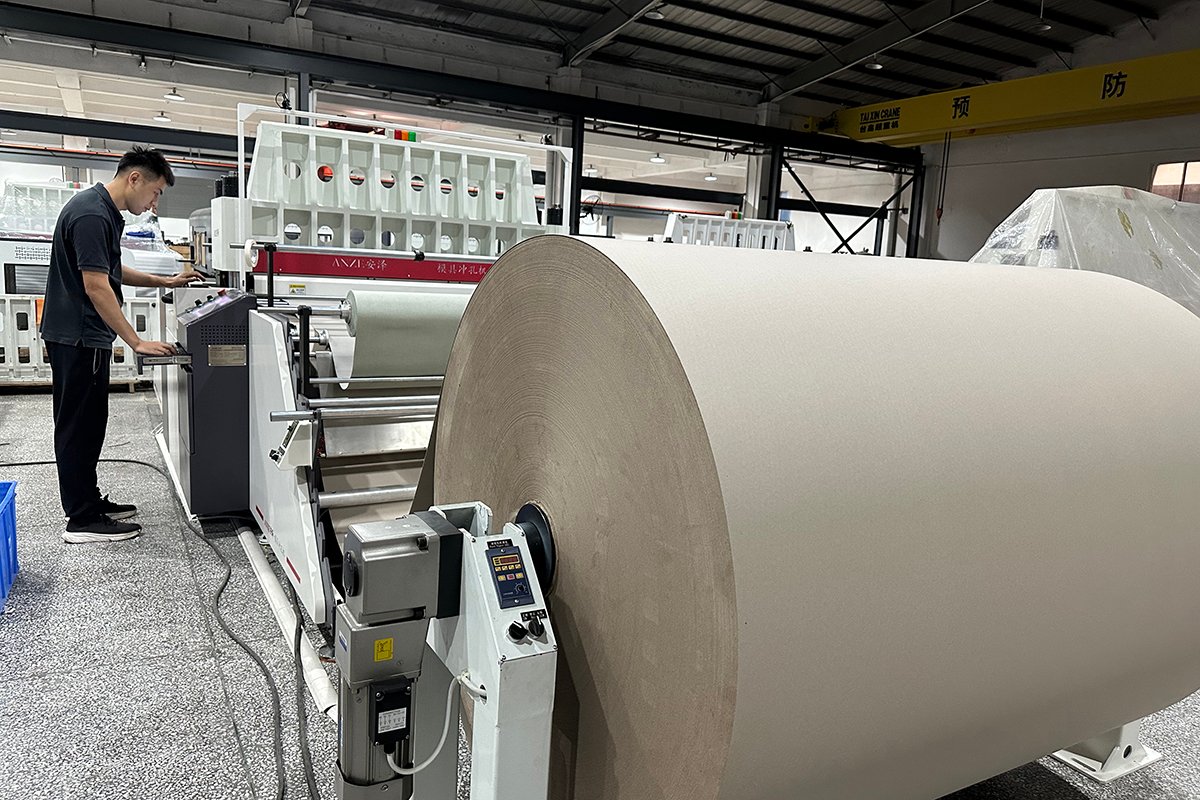
Why Heat Dissipation Is Critical for Mould Leather Perforation Machine Operation
A mould punching system performs thousands or even millions of punching cycles during production.
Every punching cycle involves:
- Material positioning
- Mould movement
- Punching force generation
- Material separation
- Machine reset
During high-frequency operation, mechanical energy is converted into heat.
For factories producing:
- Automotive seat leather
- Luxury sofa leather
- Furniture upholstery
- Large-volume leather products
the machine may need to operate:
- 8 hours per day
- 16 hours per day
- 24 hours continuously during peak seasons
Therefore, effective thermal control is essential.
Common Heat Sources in Mould Leather Perforation Machine Systems
1. Punching Mechanism Heat Generation
The punching unit is the core working component of a mould leather perforation machine.
During continuous punching:
- Mould movement creates friction
- Mechanical impact generates heat
- High-speed cycles increase temperature accumulation
Without proper cooling, excessive heat may influence:
- Mould precision
- Punching stability
- Component durability
2. Motor and Drive System Heat
Modern mould perforation equipment relies on motors and drive systems to achieve accurate movement.
Heat can be generated by:
- Long working hours
- High-speed operation
- Heavy punching loads
If motor temperature increases excessively, it may cause:
- Reduced efficiency
- Protective shutdown
- Shortened component lifespan
3. Electrical Control System Heat
The control cabinet contains important electronic components, including:
- PLC systems
- Servo controllers
- Power supplies
- Motion control modules
Electronic components are sensitive to temperature.
Poor heat management may result in:
- Signal instability
- Control errors
- Unexpected machine stops
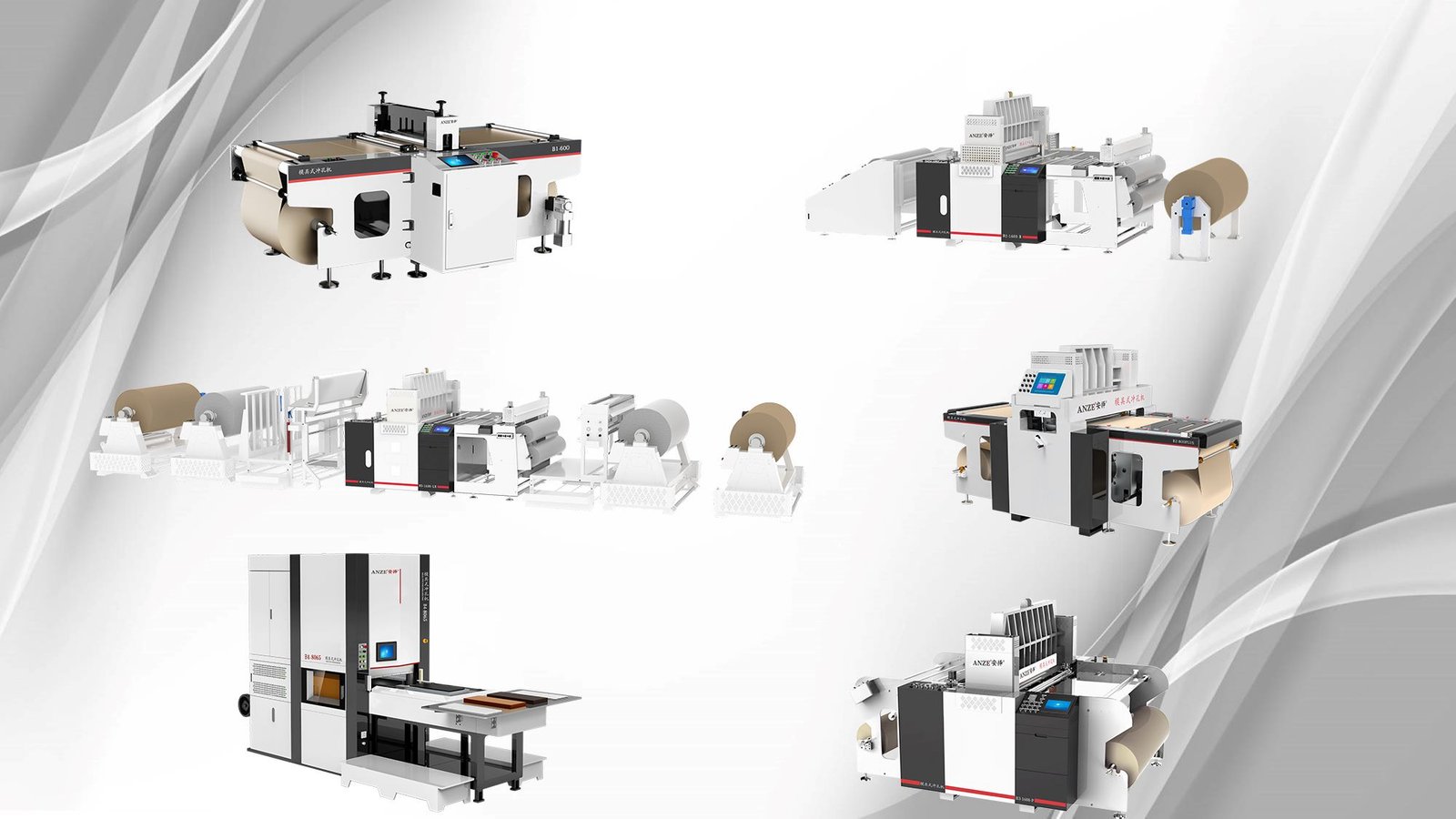
What Happens When a Mould Leather Perforation Machine Overheats?
Overheating does not always cause immediate failure.
In many cases, problems appear gradually.
Reduced Punching Accuracy
Temperature changes can influence mechanical precision.
Possible results include:
- Slight position deviation
- Uneven hole spacing
- Pattern inconsistency
For automotive interiors and luxury furniture, even small defects may affect product acceptance.
Faster Component Wear
High temperatures accelerate wear on:
- Bearings
- ガイド
- Transmission components
- Mould parts
This increases maintenance requirements.
Reduced Production Efficiency
When a machine overheats, factories may need to:
- Reduce production speed
- Stop equipment for cooling
- Replace damaged components
This directly affects production capacity.
How Anze Solves Heat Dissipation Challenges in Mould Leather Perforation Machine Design
Anze engineers consider thermal management during the machine development stage.
Instead of adding cooling solutions after problems occur, Anze integrates heat control into the equipment design.
1. Optimized Mechanical Structure for Better Heat Release
The structure of a mould leather perforation machine directly affects heat distribution.
Anze designs machine frames and working systems to:
- Reduce unnecessary friction
- Improve airflow
- Minimize heat concentration areas
This helps maintain stable operating temperatures during long production cycles.
2. Advanced Cooling System Design
For customers requiring continuous operation, Anze provides customized cooling solutions.
Depending on production requirements, solutions may include:
- Cooling fans
- Forced air circulation
- Heat dissipation channels
- Temperature monitoring systems
These solutions help remove heat generated during high-frequency punching.
3. Improved Lubrication Management
Friction is one of the main causes of mechanical heat.
Anze focuses on:
- Proper lubrication points
- Suitable lubricant selection
- Maintenance-friendly design
Effective lubrication helps:
- Reduce friction
- Lower operating temperature
- Extend component lifespan
4. Temperature Monitoring and Protection
Industrial production environments can be unpredictable.
Anze equipment can be configured with monitoring systems that help operators understand:
- Operating temperature
- Component status
- Abnormal conditions
Early detection helps prevent unexpected downtime.
Heat Dissipation Solutions for Peak Season 24/7 Production
Many leather processing factories experience seasonal production peaks.
During these periods:
- Orders increase rapidly
- Delivery deadlines become strict
- Machines must operate continuously
A reliable mould leather perforation machine must handle these extreme conditions.
Stable Performance During Long Working Hours
Anze machines are designed for industrial environments where continuous production is required.
Key considerations include:
- Thermal stability
- Mechanical durability
- Electrical reliability
- Easy maintenance
Reduced Downtime
Effective cooling reduces the risk of:
- Over-temperature alarms
- Emergency stops
- Unexpected maintenance
This allows factories to maximize production capacity.
Mould Leather Perforation Machine Applications Requiring Strong Heat Management
Automotive Leather Processing
Automotive suppliers often require continuous production of:
- Seat covers
- Ventilated seat panels
- Interior leather components
Because automotive quality standards are strict, stable equipment operation is essential.
Furniture Leather Manufacturing
Luxury furniture factories process large leather surfaces.
Applications include:
- Sofa leather
- Chair upholstery
- Premium furniture panels
Continuous operation requires reliable thermal performance.
Leather Processing Factories
Large leather processors need equipment capable of handling:
- High production volume
- Multiple shifts
- Different leather materials
Mould Leather Perforation Machine vs CNC Perforation Machine: Different Heat Management Requirements
Both technologies have important roles in leather processing.
モールドレザー穴あけ機 利点
A mould-based system is preferred for:
- Large-volume production
- Fixed patterns
- High-speed punching
Advantages include:
- Fast production cycles
- Strong punching force
- Stable output
However, thermal management becomes especially important during continuous operation.
CNC Perforating Leather Machine Advantages
A CNC perforating leather machine provides:
- Flexible patterns
- Digital control
- Easy design changes
It is suitable for:
- Customized production
- Small batches
- Complex patterns
Both systems require professional engineering design to maintain reliability.
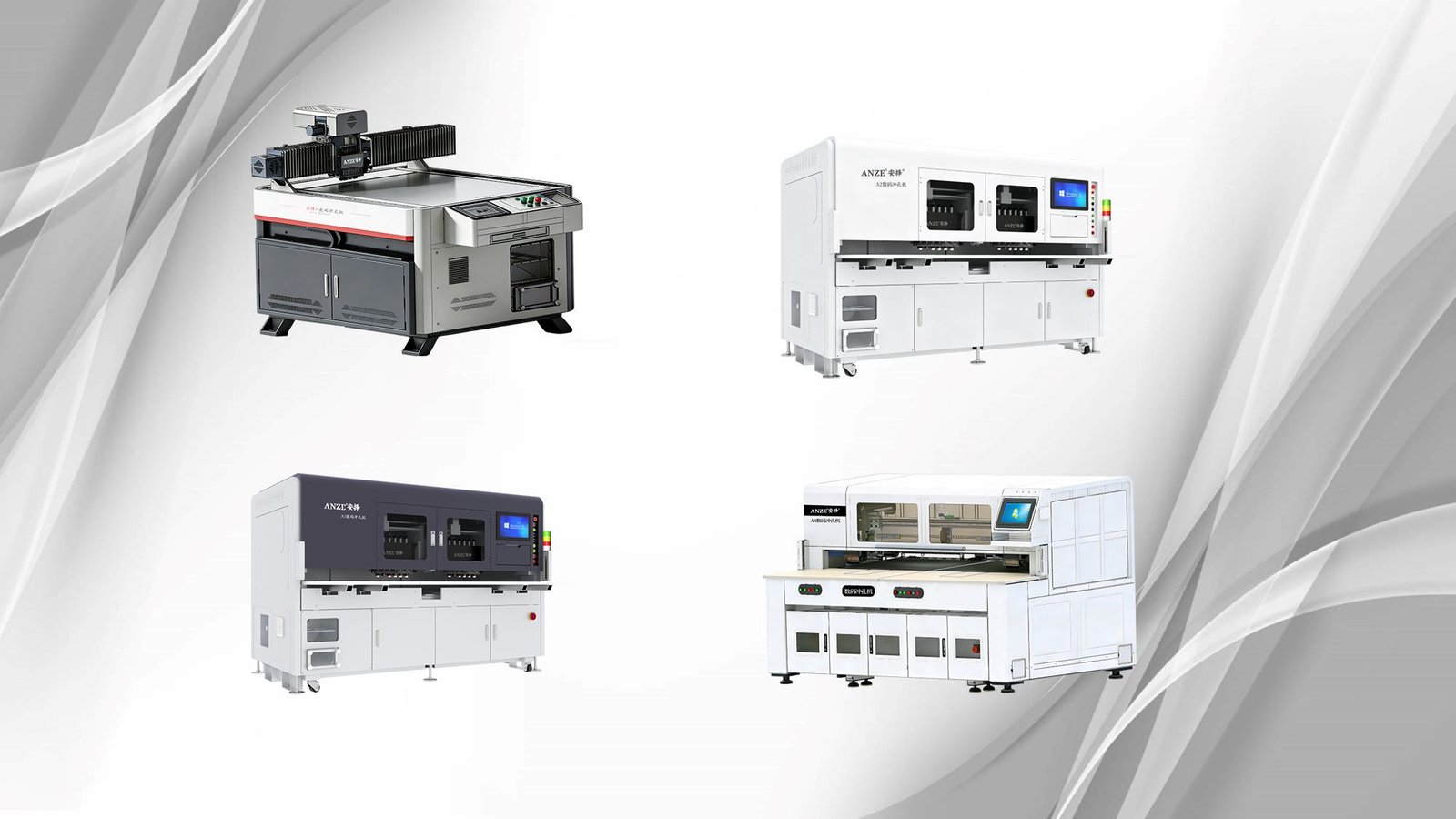
Maintenance Recommendations for Preventing Overheating Problems
Regular Cleaning
Leather processing produces:
- Dust
- Fibers
- Small material particles
Cleaning helps maintain:
- Cooling efficiency
- Mechanical movement
- Electrical reliability
Check Cooling Components
Operators should regularly inspect:
- Fans
- Cooling channels
- Temperature sensors
Monitor Abnormal Temperature Changes
Unexpected temperature increases may indicate:
- Mechanical friction
- Component wear
- Lubrication problems
Early maintenance prevents larger failures.
Why Choose Anze as Your Leather Perforation Machine Manufacturer?
With 20 years of experience, Anze understands that equipment reliability is not only about speed—it is about stable long-term performance.
Our advantages include:
Professional Engineering Experience
Anze engineers have extensive experience solving:
- Heat dissipation issues
- Production stability challenges
- Precision problems
- Material processing difficulties
More Than 20 Developed Leather Perforation Machines
Our product range supports different applications, including:
- 皮革用金型パンチングマシン
- CNC perforating leather machine
- Automated leather punching equipment
Customized Industrial Solutions
Every customer has different production requirements.
Anze provides solutions based on:
- Material type
- Production volume
- Working hours
- Pattern requirements
Future Development of Thermal Management in Leather Perforation Equipment
As leather processing becomes increasingly automated, equipment requirements continue to increase.
Future 革穴あけ機 development will focus on:
- Intelligent temperature monitoring
- Smart factory integration
- Energy-efficient operation
- Longer continuous working capability
Anze continues investing in research and development to provide reliable solutions for global customers.
Heat dissipation is a critical factor affecting the performance of a mould leather perforation machine
Heat dissipation is a critical factor affecting the performance of a mould leather perforation machine, especially when factories require 24-hour continuous operation during peak production periods.
Without effective thermal management, excessive heat may reduce:
- Machine accuracy
- Component lifespan
- Production efficiency
- Product quality
Through professional engineering design, cooling optimization, mechanical improvement, and customer-focused solutions, Anze helps leather processing companies achieve stable and efficient production.
As an experienced 皮革穿孔機メーカー, Anze provides not only advanced machines but also complete technical solutions that support customers in automotive, furniture, and industrial leather applications worldwide.
With reliable mould leather perforation machine technology and professional engineering support, Anze helps customers produce higher-quality perforated leather with greater efficiency and confidence.
経験豊富で熟練したチームを擁し、あらゆる素材の特性や加工技術に精通しております。お客様のニーズに合わせて、革用パンチング(穴あけ)機をカスタマイズすることも可能です。ご質問などがございましたら、お気軽にお問い合わせください! WhatsApp: +86 180 0298 0031
機械の設置と保守はどのように行いますか?
一部のモデルは工場で組み立てられた状態で出荷されます。大型機器は複数の部品に分けて梱包され、設置マニュアルが付属します。すべての機器には、中国語と英語の取扱説明書が同梱されています。
お客様がAnze(アンゼ)の工場へ担当者を派遣して研修を受けていただくことも、当社が技術専門家を派遣して現地で研修を行うことも可能です。
機械の稼働環境要件は何ですか?
ザ CNCレザーパンチングマシン 安定したテーブルに設置し、ほこり、静電気、湿気、切りくずとの接触を避けるために、環境を清潔に整頓してください。これにより、部品の故障を防ぐことができます。.
アフターサービスポリシーはどのようなものですか?
経験豊富なアフターサービスチームが24時間オンラインで対応し、万全のアフターサービス体制を整えています。工場でのトレーニングサポート、海外での機械サービスに対応できるビデオ技術サポート、オンラインサポート、エンジニアが対応いたします。.
急なお誘いにも対応できますか?
もちろんでございます。弊社の訪問を歓迎いたします。対面でのコミュニケーションを通じて、相互のビジネスを推進しましょう。.
配達時間はいつですか?
リードタイムは、注文数量とカスタマイズによって異なり、通常7〜10営業日です。カスタムレザーパンチングマシンのご注文の場合は、1〜2ヶ月かかります。.