Abstract: Precision vs Speed in Leather Perforating Machine Performance
In modern manufacturing, achieving both high speed and high precision is one of the most critical challenges for any machine à perforer le cuir. As industries such as automotive seating, furniture upholstery, and fashion demand higher productivity, machines are required to operate at maximum strokes per minute (SPM) without compromising hole accuracy, alignment, or material integrity.
However, increasing speed typically introduces risks:
- Vibration and mechanical instability
- Tool wear and deviation
- Heat accumulation
- Positioning errors
For manufacturers, the question is not just how fast a machine à perforer le cuir can operate—but how precisely it performs at those speeds.
With over 20 years of engineering experience, Anze has developed advanced solutions to ensure that its leather perforating machine systems maintain exceptional precision even at peak SPM.
This article explores the engineering principles, technologies, and design strategies that enable high-speed precision.
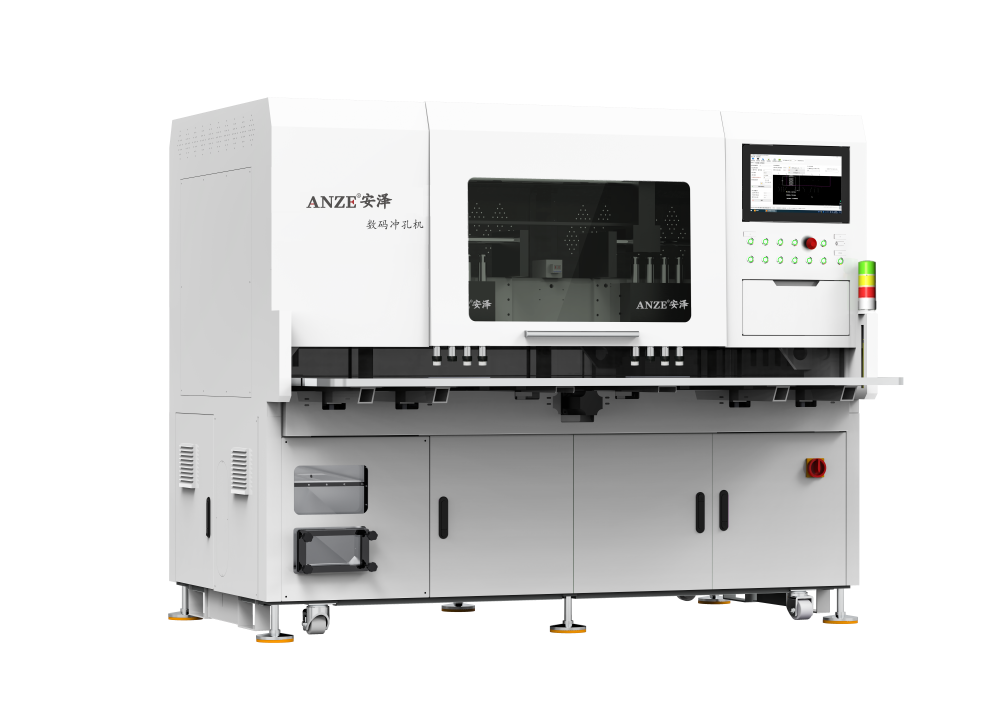
1. Why Precision Is Challenging at High SPM in Leather Perforating Machine Systems
1.1 Dynamic Forces in High-Speed Leather Perforating Machine Operation
At high SPM, a machine à perforer le cuir experiences significant dynamic forces:
- Rapid acceleration and deceleration
- Repetitive impact loads
- Increased vibration
These factors can lead to:
- Hole misalignment
- Inconsistent depth
- Edge deformation
1.2 Vibration and Resonance Issues
When operating at maximum strokes per minute, vibration becomes a major issue.
If not controlled, it causes:
- Tool deviation
- Machine instability
- Reduced perforation accuracy
1.3 Thermal Effects in Leather Perforating Machine Systems
High-speed operation generates heat:
- Tool temperature rises
- Material softens
- Hole edges may deform
2. Core Engineering Principles Behind High-Precision Leather Perforating Machine Design
Anze applies several engineering strategies to maintain precision.
2.1 Structural Rigidity in Leather Perforating Machine Frames
A rigid machine frame is essential.
Key features:
- Heavy-duty steel construction
- Reinforced structural design
- Vibration-resistant base
This ensures stability even at high SPM.
2.2 Precision Motion Control in Leather Perforating Machine Systems
Accurate motion control is critical.
Technologies include:
- Servo motor systems
- Closed-loop feedback control
- High-resolution encoders
These allow the machine à perforer le cuir to maintain exact positioning.
2.3 High-Accuracy Tooling Systems
Tool precision directly affects output quality.
Anze machines use:
- Precision-ground punches
- High-strength tool materials
- Tight tolerance manufacturing
3. Advanced Servo Technology in Leather Perforating Machine Operation
3.1 Servo-Driven Punching Mechanism
Unlike traditional mechanical systems, servo-driven machine à perforer le cuir systems offer:
- Controlled acceleration
- Smooth motion profiles
- Reduced impact force
3.2 Real-Time Feedback Control
Sensors continuously monitor:
- Position
- Speed
- Force
The system adjusts instantly to maintain precision.
4. CNC Control System: The Brain of Leather Perforating Machine Precision
4.1 Digital Pattern Control
CNC systems allow:
- Exact hole positioning
- Complex pattern execution
- Repeatable accuracy
4.2 Adaptive Speed Optimization
The machine can:
- Adjust speed based on material
- Optimize punching cycles
- Prevent errors at high SPM
5. Vibration Control in Leather Perforating Machine Systems
5.1 Anti-Vibration Structural Design
Anze machines incorporate:
- Shock-absorbing components
- Balanced mechanical systems
- Low-resonance design
5.2 Dynamic Balancing
Moving parts are carefully balanced to reduce vibration during high-speed operation.
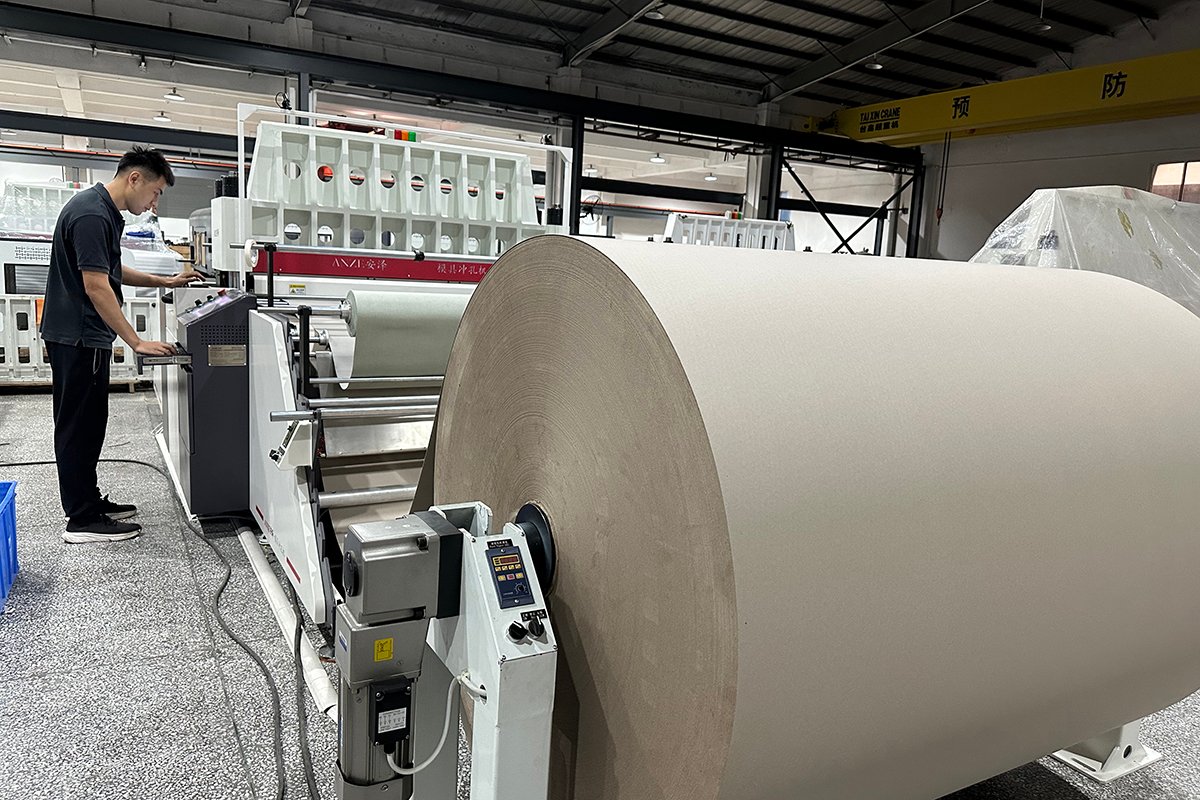
6. Tooling Precision and Its Role in Leather Perforating Machine Accuracy
6.1 Tool Material Selection
High-quality materials reduce deformation:
- Tungsten carbide
- High-speed steel
6.2 Tool Maintenance Strategy
Regular maintenance ensures:
- Sharp cutting edges
- Consistent performance
- Reduced heat generation
7. Heat Management in Leather Perforating Machine Operation
7.1 Minimizing Friction
Precision engineering reduces contact resistance.
7.2 Cooling Techniques
- Air cooling systems
- Optimized punching intervals
8. Material Handling and Feeding Precision
8.1 Automated Feeding Systems
Ensure consistent material positioning.
8.2 Clamping Mechanisms
Prevent movement during punching.
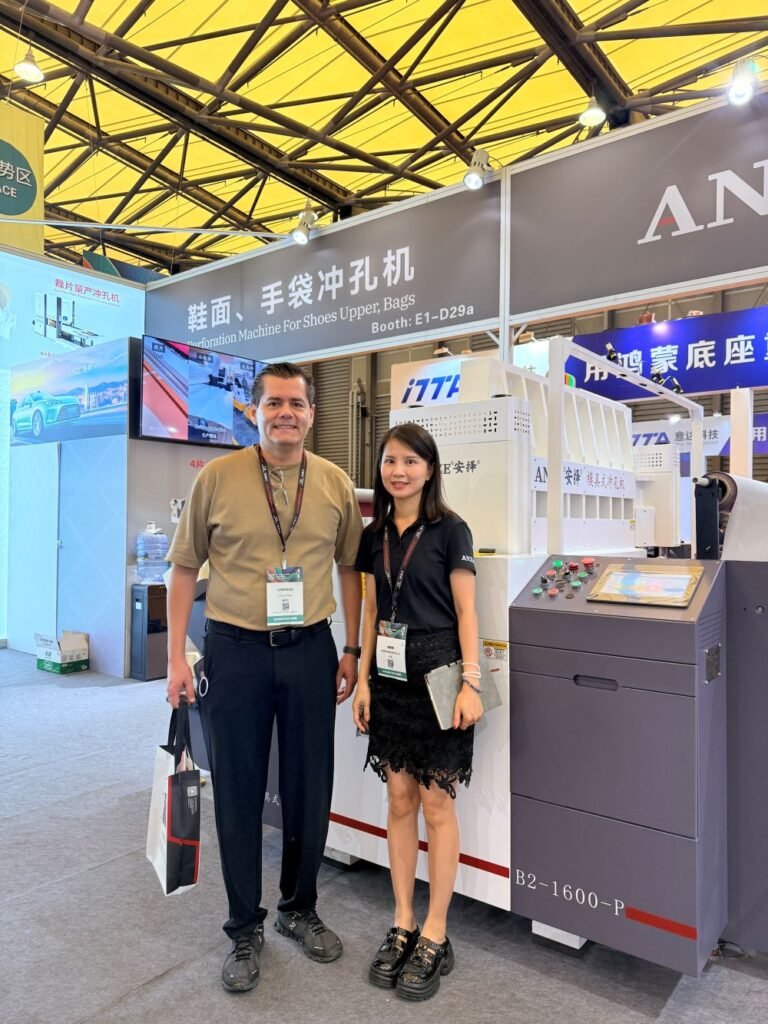
9. Software Optimization in Leather Perforating Machine Systems
9.1 Intelligent Algorithms
Software optimizes:
- Punching sequence
- Path efficiency
- Speed distribution
9.2 Error Compensation
The system compensates for:
- Mechanical deviation
- Thermal expansion
10. Quality Assurance in High-Speed Leather Perforating Machine Production
Quality control includes:
- Real-time monitoring
- Automated inspection systems
- Data tracking
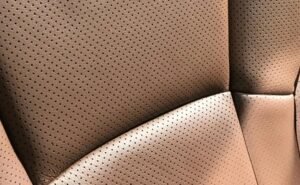
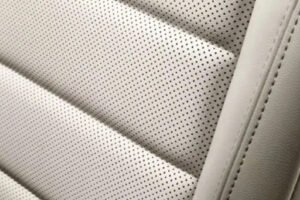
11. Application Case: Automotive Seat Leather Perforation
Automotive applications require:
- High precision
- Clean hole edges
- Consistent patterns
Anze's machine à perforer le cuir meets these requirements even at high SPM.
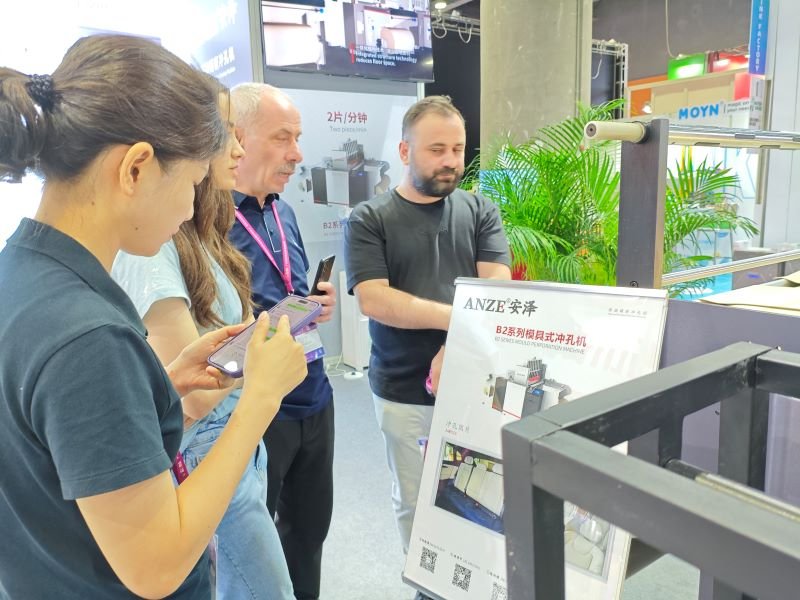
12. Advantages of High-Precision Leather Perforating Machine
- Increased production efficiency
- Reduced defect rates
- Consistent quality
- Lower operational costs
13. Comparison: Traditional vs Modern Leather Perforating Machine
| Feature | Traditional Machine | Anze Machine |
|---|---|---|
| Speed | Moyen | Haut |
| Precision | Variable | Haut |
| Automation | Low | Advanced |
| Stability | Moderate | Excellent |
14. Why Choose a Professional Leather Perforating Machine Manufacturer
A reliable fabricant de machines à perforer le cuir provides:
- Engineering expertise
- Custom solutions
- Reliable machines
- Technical support
15. Future Trends in Leather Perforating Machine Technology
- AI-driven control systems
- Smart manufacturing integration
- Fully automated production lines
Achieving Precision at Maximum SPM
Maintaining precision at high speed is one of the most challenging aspects of machine à perforer le cuir design. Through advanced engineering, servo technology, CNC control, and optimized tooling, Anze ensures that its machines deliver consistent, high-quality results even at maximum strokes per minute.
For manufacturers seeking both productivity and precision, investing in a high-performance machine à perforer le cuir is essential.
Grâce à une équipe expérimentée et qualifiée, nous connaissons tous les types de caractéristiques des matériaux et de technologies de traitement, et nous pouvons personnaliser les produits. Machine à perforer le cuir selon les besoins du client. N'hésitez pas à nous contacter si vous avez des questions ! Whatsapp +86 180 0298 0031
Comment installer et entretenir la machine ?
Certains modèles sont livrés assemblés en usine. Les grands équipements sont emballés en plusieurs parties et un manuel d'installation est fourni. Tous les équipements sont équipés de manuels d'utilisation en chinois et en anglais.
Les clients peuvent envoyer quelqu'un à l'usine d'Anze pour apprendre ou nous envoyons des experts techniques pour fournir une formation sur place.
Quelles sont les exigences en matière d'environnement de travail de la machine ?
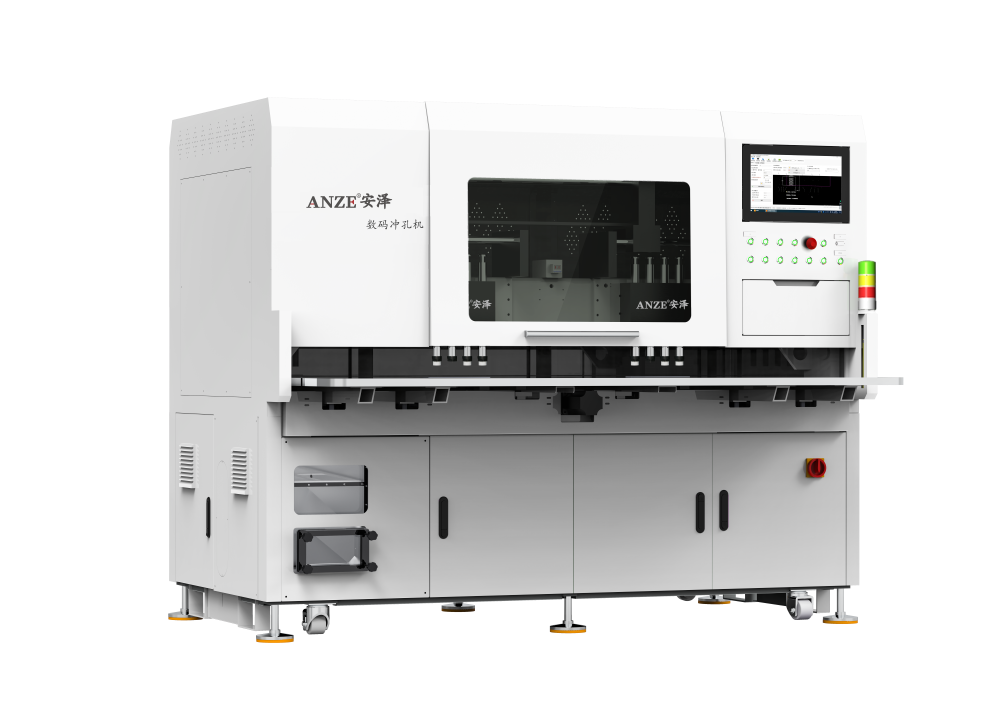
Le Machine à poinçonner le cuir à commande numérique doit être fixé sur une table stable et l'environnement doit être maintenu propre et ordonné afin d'éviter tout contact avec la poussière, l'électricité statique, l'humidité et les copeaux qui pourraient entraîner une défaillance des pièces.
Quelle est votre politique en matière de service après-vente ?
Nous disposons d'une équipe après-vente expérimentée, d'un service en ligne 24h/24 et d'un système après-vente complet. Nous disposons d'un support de formation en usine, d'un support technique vidéo pour l'entretien des machines à l'étranger, d'un support en ligne et d'ingénieurs.
Êtes-vous disponible pour une invitation sur place ?
Bien entendu, nous vous invitons à visiter notre entreprise et à établir une communication directe afin de faire progresser les affaires mutuelles.
Quel est le délai de livraison ?
Le délai de livraison varie en fonction de la quantité commandée et de la personnalisation, et se situe généralement entre 7 et 10 jours ouvrables.
 English
 Portuguese
 Italian
 Vietnamese
 Russian
 French
 Spanish
 Arabic