Last Updated on 2025-11-20 by Anze
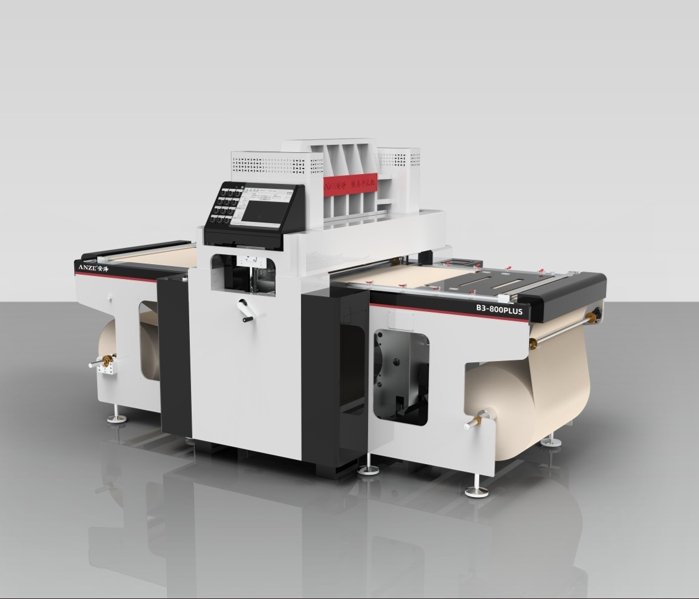
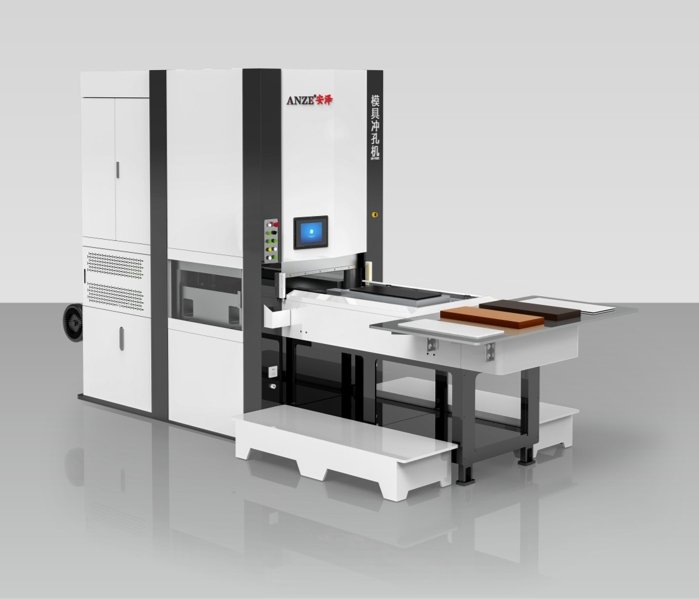
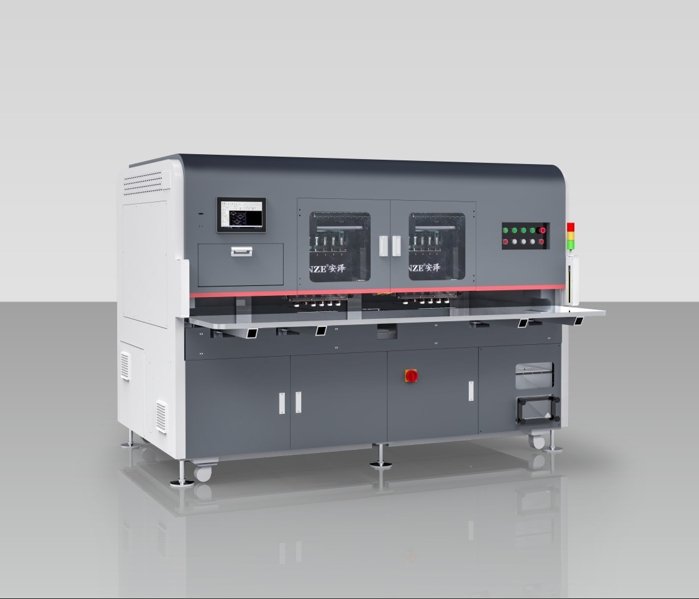
In recent years, global demand for precision-engineered leather products—including automotive interiors, luxury fashion accessories, footwear, and high-end furniture—has grown rapidly. OEMs and factories must now meet higher standards for aesthetics, ventilation, comfort, acoustic performance, and design customization. As a result, traditional punching machines can no longer satisfy industry needs for consistency, processing speed, pattern flexibility, and material protection.This is where the Machine à perforer le cuir à commande numérique becomes an indispensable part of modern leather manufacturing.
For 20 years, Anze has specialized exclusively in the R&D and manufacturing of leather perforation machinery. With over 20 best-selling machine models used worldwide, Anze’s solutions support industries including automotive seats, door panels, steering wheels, furniture upholstery, footwear, luxury handbags, sports equipment, and acoustic leather applications.
This technical whitepaper examines the core advantages of the modern CNC machine à perforer le cuir, the engineering disciplines behind the technology, and why production facilities increasingly rely on digitalized perforation systems to stay competitive.
This document also addresses:
Machine-level engineering innovations
Perforation process optimization
Material-specific considerations
Industry application scenarios
Quality-control frameworks
Total manufacturing ROI and productivity analysis
1. Understanding the Role of the Leather Perforation Machine in Modern Manufacturing
A machine à perforer le cuir is designed to create controlled hole patterns on natural leather, synthetic leather, microfiber, PU, PVC, or composite materials. These perforations may serve functional or aesthetic purposes:
Functional Purposes
Ventilation (breathability for seats, shoes, or gloves)
Sound absorption (acoustic leather panels)
Weight reduction
Laser-light transparency (smart interior designs)
Aesthetic Purposes
Geometric patterns for handbags
Fashion-driven decorative uniform holes
Signature brand patterns
Industrial buyers expect perforations to be:
Dimensional accurate
Clean-cut
Free of char, distortion, or cracking
Consistent across batches
Precisely aligned
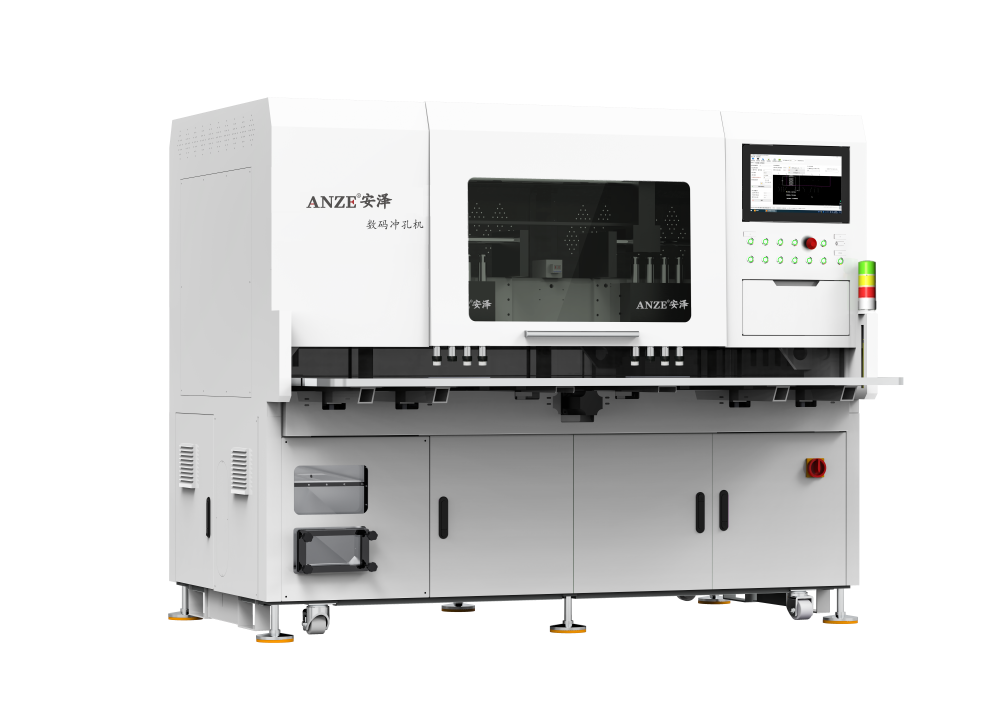
This requires far more than a simple punching mechanism—it requires a full-scale Machine à perforer le cuir à commande numérique engineered with:
Servo positioning
CNC pattern programming
High-speed mechanical or laser perforating heads
Vacuum stabilization systems
Multi-axis synchronized movement
Digital tension control
Error compensation algorithms
The combination of these elements enables manufacturers to execute designs previously impossible with manual or semi-automatic equipment.
2. Core Technologies Behind a Modern CNC Leather Perforation Machine
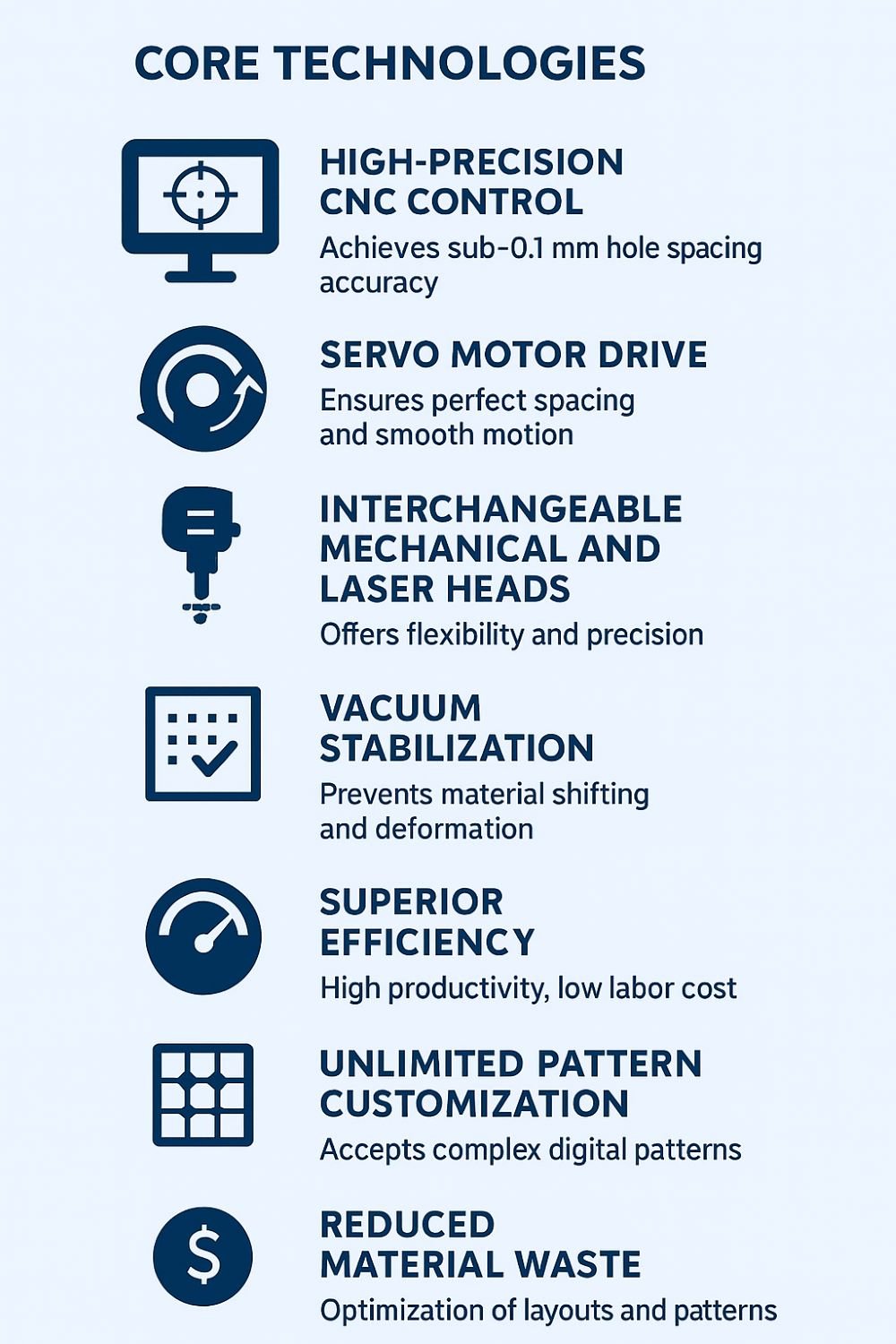
A state-of-the-art machine à perforer le cuir integrates several key engineering and software systems that differentiate it from ordinary punching equipment.
2.1 High-Precision CNC Control Architecture
CNC (Computer Numerical Control) technology allows:
Full digital control of the perforation head
Accurate X-Y positioning
Real-time path planning for complex patterns
Automated compensation for leather stretching
Consistent output regardless of operator skill
Modern CNC controllers execute multi-axis interpolation, meaning the perforation machine can adjust the path dynamically, achieving:
Sub-0.1 mm hole spacing accuracy
Perfect pattern alignment
Smooth transitions between design areas
This transforms the leather perforation machine into a design-driven production system, not merely a punching device.
2.2 Servo Motor Drive Systems
Servo motors provide:
High torque
Instant feedback
Zero-lag positioning
Smooth motion curves
In leather perforation:
Hole spacing accuracy depends heavily on servo stability
Servo drives prevent over-travel and maintain perfect spacing
The machine can operate at extremely high punching speeds without losing alignment
Anze’s leather perforation machines use industrial-grade servo drives, providing:
Higher duty cycle
Longer lifespan
Stable 24/7 operation
2.3 Interchangeable Mechanical and Laser Perforation Heads
Mechanical Perforation Head
Benefits:
Clean mechanical edges
High durability
Ideal for natural leather
No burnt smell or discoloration
Applications: automotive seating, furniture, footwear.
Laser Perforation Head
Benefits:
Ultra-fine micro-holes
Zero tool wear
Suitable for synthetic leather and films
Enables artistic patterns
Applications: luxury bags, design branding, lightweight sports gear.
Hybrid Systems
Some models combine both technologies, enabling:
Mechanical punching for high-volume areas
Laser micro-perforation for design zones
This significantly expands the capability of the leather perforation machine.
2.4 Vacuum Stabilization Platform
A critical engineering requirement:
Leather is a soft, deformable material
Slight movement leads to hole misalignment
Vacuum tables ensure:
Full-surface leather stabilization
Zero slipping, warping, or shifting
Consistent punching across the entire sheet
Premium machines employ zoned vacuum chambers, activating only under the active working area—optimizing energy usage and stability.
2.5 Tooling and Punch Die Systems
An advanced machine à perforer le cuir requires:
Hardened steel dies
Anti-burr punching structures
Multi-diameter die sets
Quick-change tool modules
Die engineering determines:
Edge finish
Tool life
Hole consistency
Anze machines support micron-level die alignment, ensuring flawless hole quality even in delicate Nappa leather.
3. Technical Advantages of CNC Leather Perforation Machines
Below are the engineering-driven reasons manufacturers upgrade from traditional punching equipment to a Machine à perforer le cuir à commande numérique.
3.1 Ultra-High Accuracy and Repeatability
CNC and servo control systems achieve:
Hole spacing accuracy within ±0.1 mm
Pattern repeatability >99.9%
Zero misalignment over long production runs
Such precision is critical for:
Automotive OEMs requiring symmetrical seat patterns
Luxury bag brands using signature perforation motifs
Footwear brands needing identical hole distribution
3.2 Superior Production Efficiency
Compared to manual perforation:
| Feature | Manual | CNC Leather Perforation Machine |
|---|---|---|
| Productivity | Low | Extremely high |
| Accuracy | Variable | Precise, repeatable |
| Patterns | Limited | Unlimited CNC files |
| Labor cost | Haut | Minimal |
| Consistency | Unreliable | Perfect batch alignment |
Modern CNC systems increase production rates by 300–600%, with much lower defect rates.
3.3 Unlimited Pattern Customization
The machine imports DXF, AI, PLT, and custom pattern files, enabling manufacturers to create:
Geometric patterns
Gradient patterns
Laser-signature brand holes
Micro-perforations
EU/US automotive seat standards
Hexagon, diamond, or honeycomb designs
Manufacturers can refresh product styles quickly without new tooling investment.
3.4 Reduced Material Waste
Leather is expensive. Every millimeter saved matters.
The leather perforation machine optimizes:
Nesting layouts
Edge alignment
Path planning
Intelligent compensation for leather stretch
These features reduce waste by 8%–15%, a major cost advantage.
3.5 Enhanced Leather Protection
Advanced machines prevent:
Tearing
Burn marks
Over-punching
Edge deformation
Through controlled punching pressure and optimized laser settings.
This is essential for premium Nappa, full-grain leather, microfiber, and other high-value materials.
3.6 Intelligent Monitoring and Quality Traceability
High-end machines integrate:
Camera alignment systems
Hole quality sensors
Production logging
Batch traceability reporting
Quality control becomes digital, eliminating manual inspection.
4. Material-Specific Engineering Considerations
4.1 Natural Leather
Challenges: uneven thickness, stretching
Solutions: vacuum stabilization, dynamic pressure control
4.2 Synthetic Leather (PU/PVC)
Challenges: melting, burning
Solutions: optimized laser frequency, cooling systems
4.3 Microfiber Leather
Challenges: fiber distortion
Solutions: high-sharpness mechanical dies
4.4 Composite Automotive Leather
Challenges: multi-layer delamination
Solutions: servo-stage punching control
5. Application Scenarios for the Leather Perforation Machine
The CNC machine à perforer le cuir is widely used in:
Automotive Interiors
Seat leather
Panneau de porte en cuir
Steering wheel leather
Acoustic leather covers
Chaussures
Breathable sports shoes
Leather uppers
Fashion footwear patterns
Luxury Bags & Accessories
Brand-specific perforation patterns
Designer micro-perforation
Furniture & Upholstery
Sofas
Lounge chairs
Acoustic panels
Technical Leather
Motorcycle gear
Sports gloves
Military protective leather
This versatility is why the CNC leather perforation machine is a standard tool across numerous industries.
6. Process Optimization Techniques in Leather Perforation
6.1 Punch Pressure Calibration
Different materials require different punch pressure curves.
6.2 Feed Rate Adjustments
Faster → lower quality
Slower → higher precision
CNC systems automate this.
6.3 Multi-Pass Perforation Strategies
Used to prevent leather cracking.
6.4 Pattern Zone Compensation
Edges may distort; CNC algorithms compensate automatically.
6.5 Real-Time Laser Frequency Tuning
For synthetic leather stability.
7. Quality Control Framework for Leather Perforation
Professional production lines use:
Visual hole inspection
Dimensional accuracy testing
Density/spacing validation
Material tensile checks
Burn-mark and edge inspection for laser jobs
Batch traceability reports
CNC equipment simplifies all of these steps.
8. ROI Analysis: Why Manufacturers Upgrade to CNC Perforation
Cost Savings
Less waste
Less labor
Lower defect rate
Revenue Increase
Ability to accept high-value custom work
Expand product design flexibility
Improve product branding
Typical ROI period: 6–12 months
9. Why Choose Anze as Your Leather Perforation Machine Partner
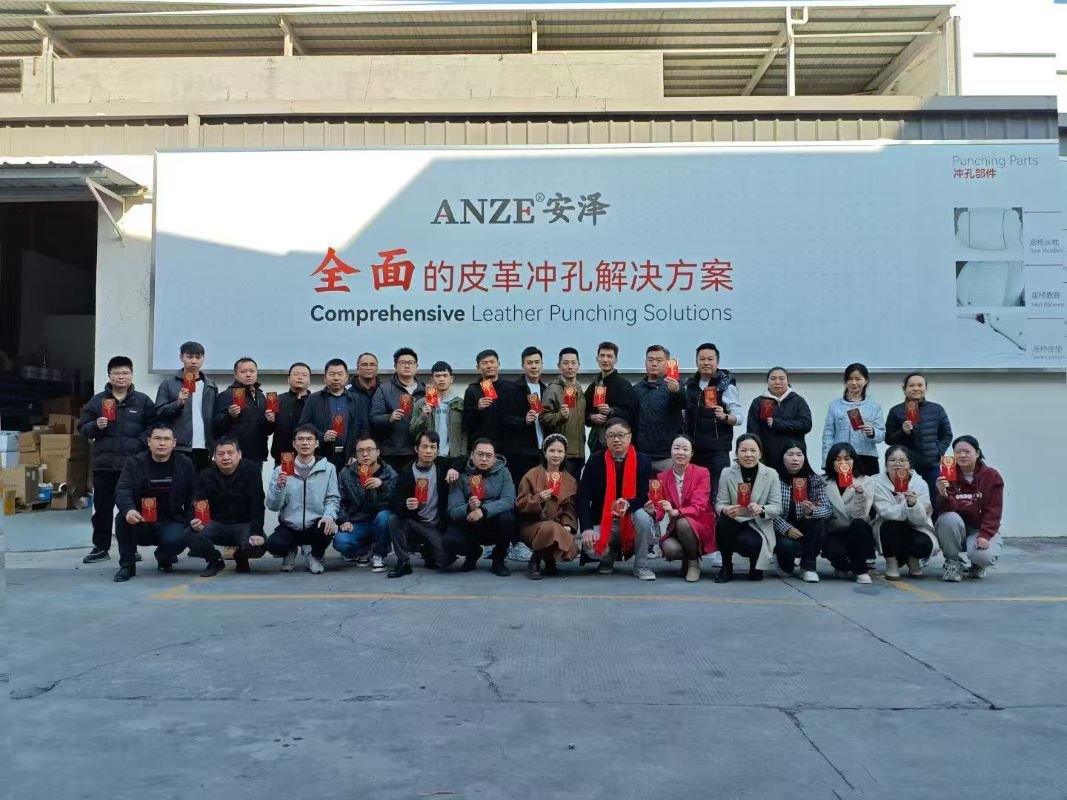
For 20 years, Anze has specialized exclusively in leather perforation technology.
Our Advantages
Over 20 best-selling perforation machine models
Mechanical, laser, and hybrid systems
Servo-driven CNC precision
Long-life steel die systems
Customized pattern development
Global technical support
Experience across all major leather industries
We do not build general machines—we focus only on leather perforation, making us one of the industry’s most specialized manufacturers.
The Future of Leather Manufacturing Is Intelligent Perforation
Le Machine à perforer le cuir à commande numérique represents the future of leather processing: faster, more accurate, more flexible, and more cost-effective. Brands and factories that adopt advanced perforation systems will enjoy the competitive benefits of:
Stronger product identity
Higher quality control
Faster production lead times
Lower material costs
Expanded design possibilities
For manufacturers in automotive interiors, footwear, luggage, furniture, and high-end fashion, upgrading to a precision-engineered machine à perforer le cuir is not only a technological improvement—it is a strategic business decision.
To learn more, request a sample test, or inquire about customizing a machine for your production line, contact Anze anytime.
Grâce à une équipe expérimentée et qualifiée, nous connaissons tous les types de caractéristiques des matériaux et de technologies de traitement, et nous pouvons personnaliser les produits. Machine à perforer le cuir selon les besoins du client. N'hésitez pas à nous contacter si vous avez des questions ! Whatsapp +86 180 0298 0031
Comment installer et entretenir la machine ?
Certains modèles sont livrés assemblés en usine. Les grands équipements sont emballés en plusieurs parties et un manuel d'installation est fourni. Tous les équipements sont équipés de manuels d'utilisation en chinois et en anglais.
Les clients peuvent envoyer quelqu'un à l'usine d'Anze pour apprendre ou nous envoyons des experts techniques pour fournir une formation sur place.
Quelles sont les exigences en matière d'environnement de travail de la machine ?
Le Machine à poinçonner le cuir à commande numérique doit être fixé sur une table stable et l'environnement doit être maintenu propre et ordonné afin d'éviter tout contact avec la poussière, l'électricité statique, l'humidité et les copeaux qui pourraient entraîner une défaillance des pièces.
Quelle est votre politique en matière de service après-vente ?
Nous disposons d'une équipe après-vente expérimentée, d'un service en ligne 24h/24 et d'un système après-vente complet. Nous disposons d'un support de formation en usine, d'un support technique vidéo pour l'entretien des machines à l'étranger, d'un support en ligne et d'ingénieurs.
Êtes-vous disponible pour une invitation sur place ?
Bien entendu, nous vous invitons à visiter notre entreprise et à établir une communication directe afin de faire progresser les affaires mutuelles.
Quel est le délai de livraison ?
Le délai de livraison varie en fonction de la quantité commandée et de la personnalisation, et se situe généralement entre 7 et 10 jours ouvrables.

 English
 Portuguese
 Italian
 Vietnamese
 Russian
 French
 Spanish
 Arabic