

Last Updated on 2026-09-03 by Anzeige
Anze Leather Perforating Machine Solutions for Stable Mold Performance When Processing Oil-Rich Leather Materials
Oil-tanned leather is widely recognized for its unique appearance, softness, flexibility, and durability. Because of these advantages, it is frequently used in premium applications such as:
- Automotive interiors
- Luxusmöbel
- Motorcycle seats
- High-end bags and accessories
- Outdoor leather products
Unlike conventional leather, oil-tanned leather contains a higher amount of natural oils, waxes, and lubricating compounds inside its fiber structure. These oils create a smooth touch feeling and excellent flexibility, but they also introduce a difficult challenge during leather perforation processing.
When oil-tanned leather is processed by a traditional mold punching system, oil residue can gradually accumulate inside the punching molds and around the cutting edges.
This can cause problems such as:
- Leather material sticking inside mold holes
- Reduced punching efficiency
- Blocked punching holes
- Increased machine downtime
- Poor hole edge quality
- Uneven perforation results
For leather processing factories producing large quantities of perforated leather, especially automotive and furniture manufacturers, mold contamination can seriously affect production efficiency.
Ein Profi Lochmaschine für Leder must consider not only punching force and accuracy but also material characteristics such as oil content, softness, elasticity, and surface treatment.
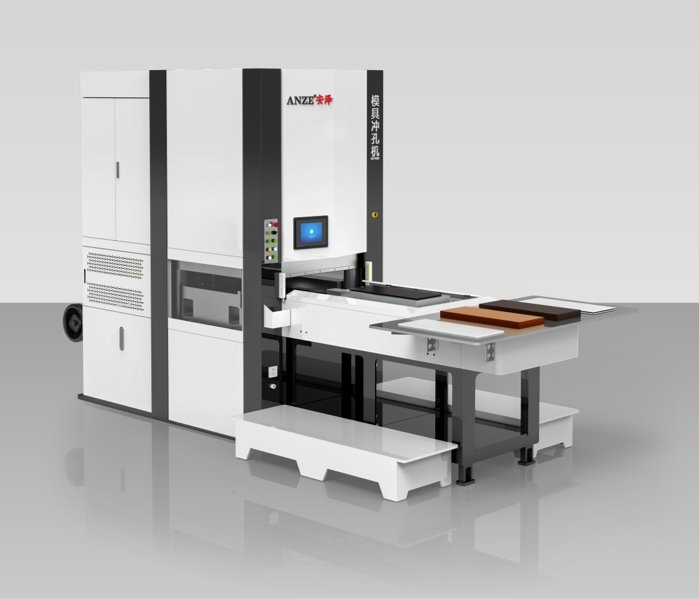
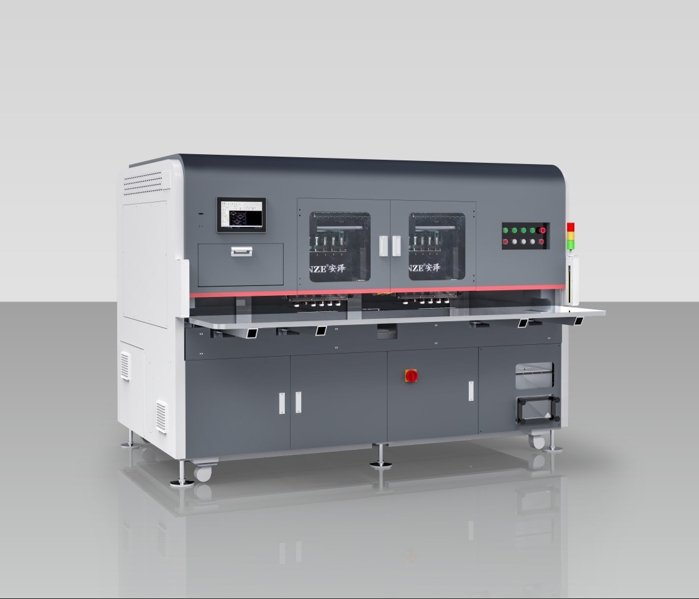
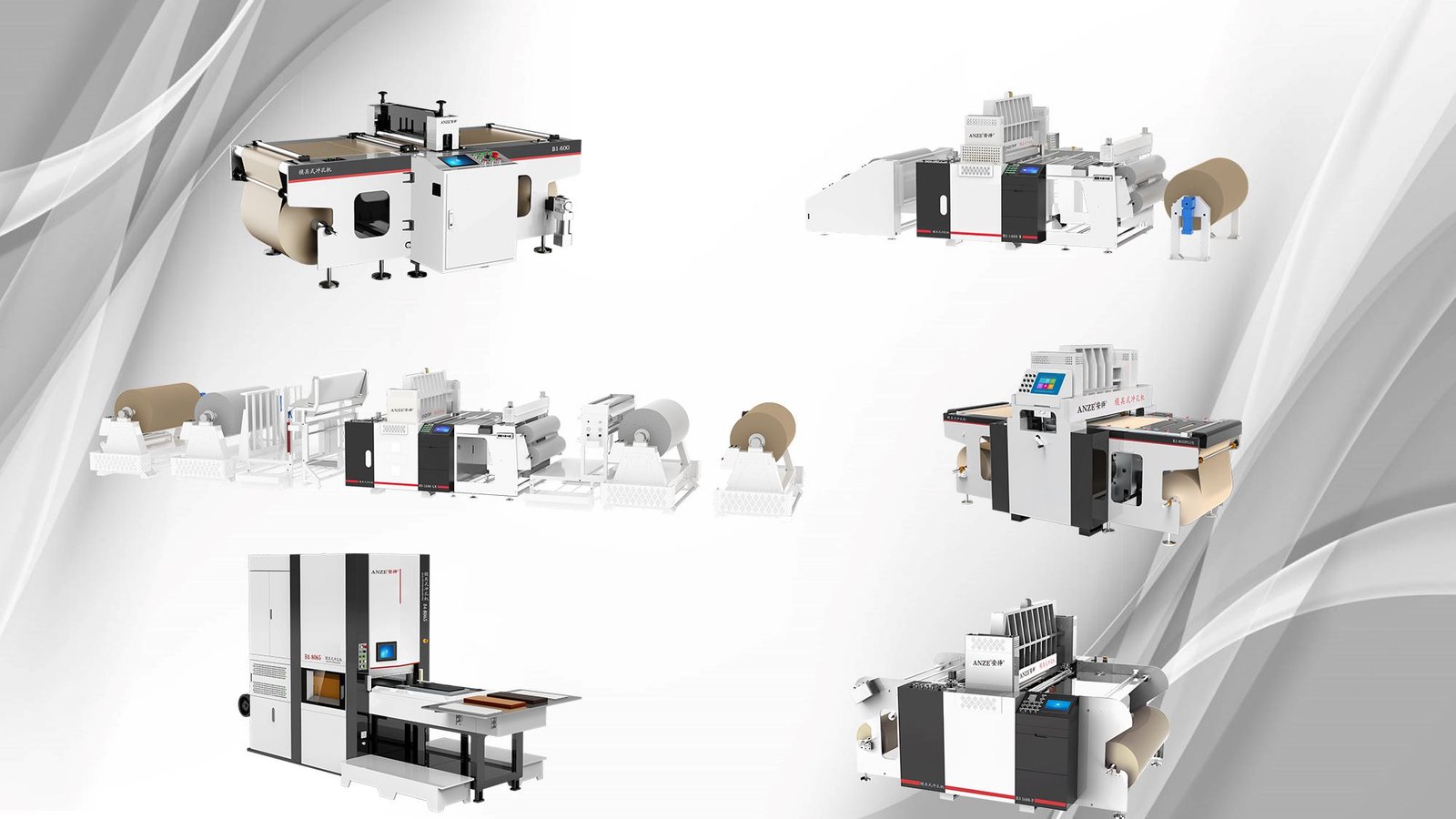
Als erfahrener Hersteller von Lederperforationsmaschinen with more than 20 years of engineering experience, Anze has developed more than 20 models of leather punching equipment and provided customized solutions for different leather materials.
Through optimized mold structures, improved punching processes, and professional technical solutions, Anze helps customers solve oil residue problems and maintain stable production quality.
This article explains why oil-tanned leather blocks punching molds and how advanced Lochmaschine für Leder technology prevents oil residue from affecting production.
Understanding Oil-Tanned Leather Before Using a Leather Perforating Machine
Before solving mold blockage problems, manufacturers need to understand the characteristics of oil-tanned leather.
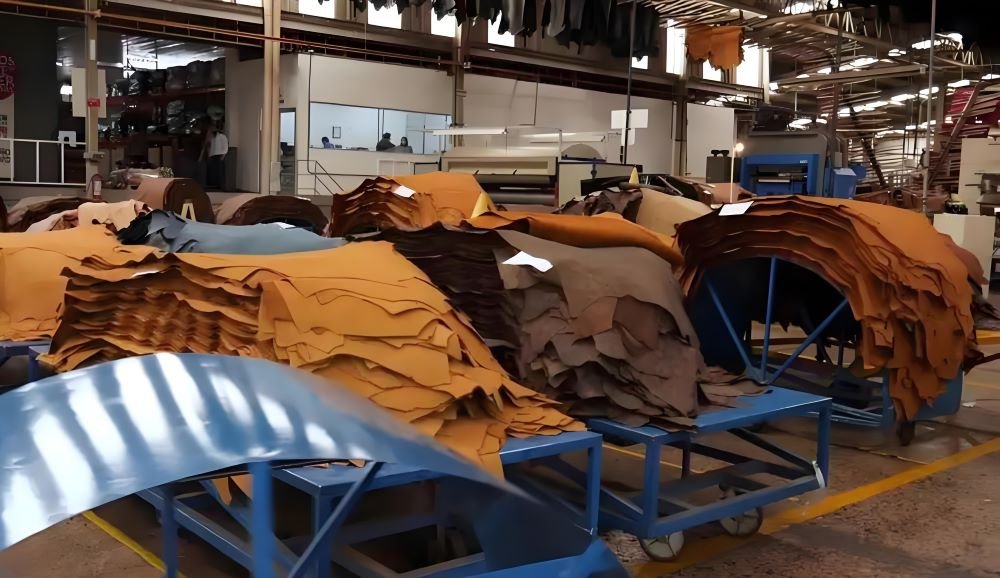
Oil-tanned leather is produced by introducing oils and lubricating agents into the leather fibers during the tanning process.
These oils provide:
- Soft hand feeling
- High flexibility
- Natural appearance
- Better resistance to cracking
However, these same properties create challenges during punching.
Why Oil-Tanned Leather Is Different from Normal Leather
Compared with standard leather, oil-tanned leather has:
Higher Oil Content
The internal oil content can migrate toward the surface during processing.
During punching, heat and pressure may force oil out of the leather structure.
Softer Fiber Structure
Oil-treated fibers are more flexible.
This improves comfort but may make clean punching more difficult.
Higher Surface Lubricity
The surface may become slippery, affecting:
- Materialpositionierung
- Punching stability
- Mold cleanliness

Common Problems When Punching Oil-Tanned Leather
Problem 1: Oil Residue Sticking Inside Punching Molds
The most common issue is oil accumulation inside mold holes.
During continuous operation:
- The punching tool contacts oily leather.
- Oil transfers onto the mold surface.
- Leather particles mix with oil.
- Residue gradually builds up.
Eventually, the mold openings become partially blocked.
How Mold Blockage Affects Leather Perforating Machine Performance
A blocked mold can create several production problems.
Reduced Punching Quality
When holes become partially blocked:
- Leather cannot separate completely
- Hole edges become rough
- Waste removal becomes difficult
Increased Machine Load
Blocked molds require more punching force.
This may cause:
- Higher energy consumption
- Faster component wear
- Reduced machine stability
Lower Production Efficiency
Operators need to stop frequently for:
- Mold cleaning
- Manual maintenance
- Production adjustment
This reduces overall productivity.
Problem 2: Oil Causes Leather Waste to Stick to Mold Components
During punching, small leather particles are created.
Normally, these particles should be removed easily.
However, oil residue acts like an adhesive.
The combination of:
- Leather dust
- Oil
- Heat
- Druck
creates sticky contamination.
This is especially problematic in high-volume production.
Problem 3: Hole Edge Quality Problems
A clean punching process requires:
- Sharp cutting edges
- Smooth material separation
- Stable punching movement
When oil contamination occurs:
- Cutting performance decreases
- Material may stretch instead of cutting
- Hole edges become uneven
For premium leather applications, this is unacceptable.
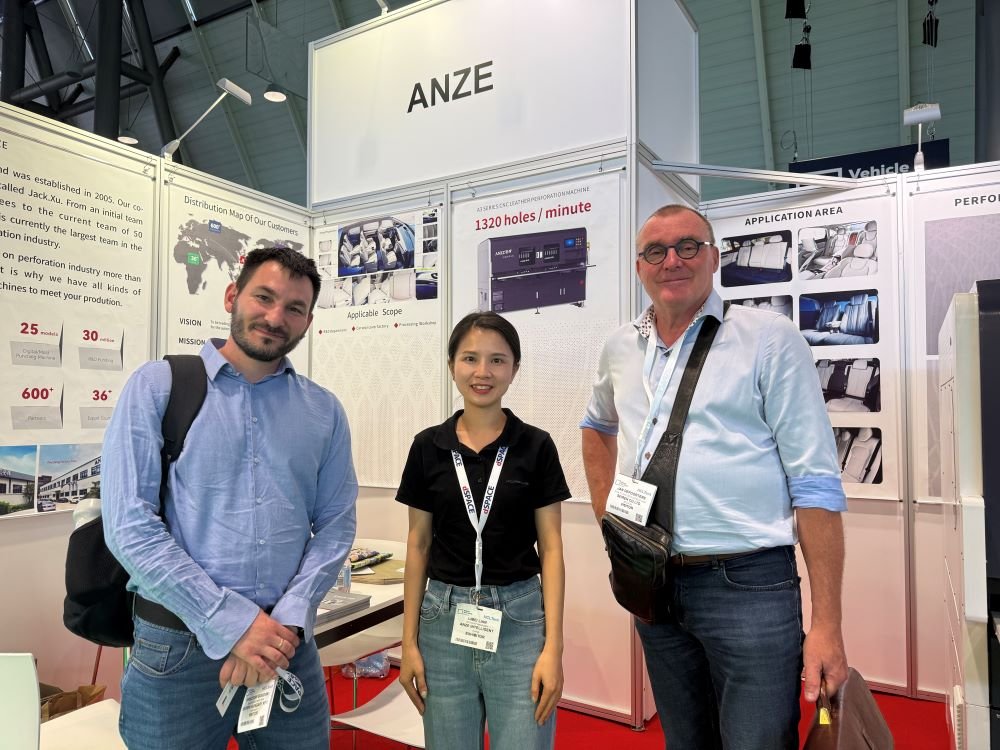
How Anze Leather Perforating Machine Solutions Prevent Oil Residue Problems
Anze engineers analyze the complete punching process instead of focusing only on the punching tool.
Our solutions include improvements in:
- Mold design
- Punching parameters
- Cleaning systems
- Material handling
1. Optimized Punching Mold Design for Oil-Tanned Leather
The mold structure plays a critical role.
Anze engineers optimize:
Mold Hole Geometry
Proper geometry helps:
- Reduce material accumulation
- Improve waste removal
- Maintain cutting efficiency
Surface Treatment Technology
The mold surface can be optimized to reduce:
- Oil adhesion
- Material sticking
- Friction
Easy Maintenance Structure
Ein Profi Lochstanzmaschine für Leder should allow efficient cleaning and maintenance.
Anze designs systems that reduce downtime during production.
2. Correct Punching Parameters for Oil-Rich Leather
Oil-tanned leather requires different settings compared with dry leather.
Important parameters include:
Punching Speed
Too fast:
- Generates more heat
- Increases oil migration
Too slow:
- Reduces productivity
Anze engineers optimize speed according to material conditions.
Punching Pressure
Excessive pressure may:
- Compress leather
- Push oil outward
- Increase contamination
Proper force control improves mold cleanliness.
3. Cooling and Heat Management
Heat is one of the major causes of oil migration.
During continuous punching:
- Mold temperature increases
- Oil becomes more fluid
- Residue formation accelerates
Anzeige Lochmaschine für Leder solutions consider thermal management.
Zu den Vorteilen gehören:
- Reduced heat accumulation
- More stable long-term operation
- Improved mold lifespan
4. Effective Waste Removal System
Leather punching creates waste particles.
For oil-tanned leather, waste removal becomes even more important.
Anze equipment can integrate:
- Waste collection systems
- Dust extraction solutions
- Cleaning mechanisms
This prevents particles from returning into the punching area.
CNC Perforating Leather Machine Advantages for Oil-Tanned Leather Processing
Although mold punching machines are widely used for high-volume production, CNC technology provides additional flexibility.
A CNC-Lederperforationsmaschine Angebote:
Flexible Processing Parameters
Operators can adjust:
- Geschwindigkeit
- Position
- Pattern
- Punching sequence
according to leather characteristics.
Reduced Mold Dependency
CNC systems reduce some problems associated with fixed molds.
Advantages include:
- Faster design changes
- Lower tooling requirements
- Easier customization
Better Control for Premium Leather Products
For luxury leather applications, CNC systems help achieve:
- Complex patterns
- Customized designs
- Consistent quality
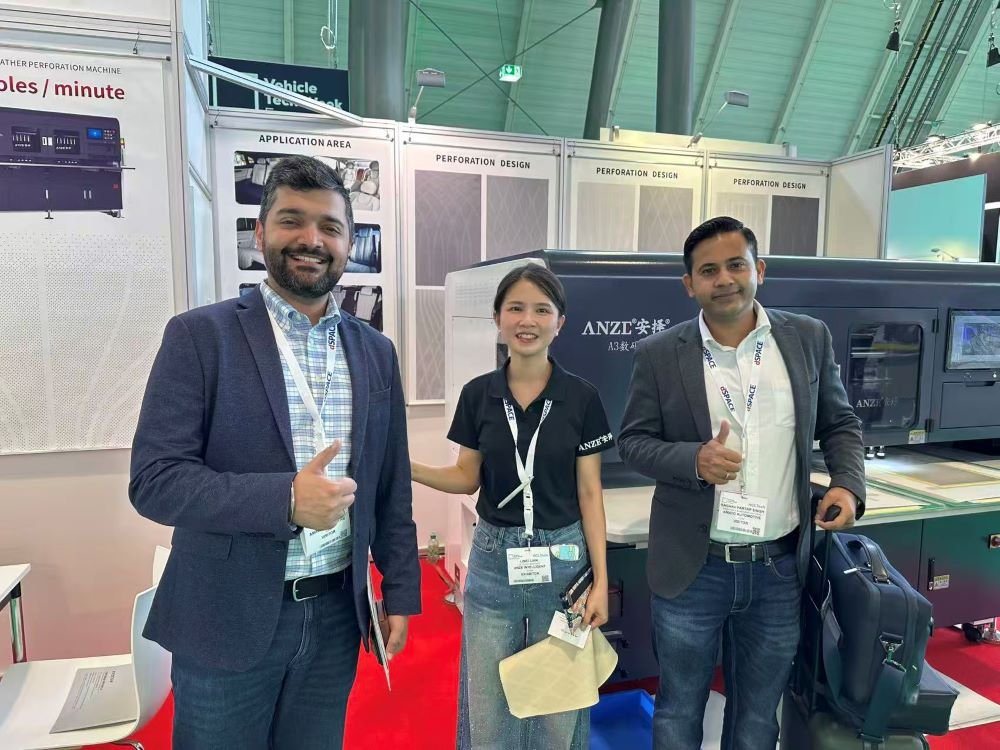
Applications of Oil-Tanned Leather Perforation
Automotive Interior Industry
Oil-treated leather is used in premium vehicles because of its:
- Soft feeling
- Natural appearance
- Luxury characteristics
Anwendungsgebiete umfassen:
- Car seats
- Türverkleidungen
- Innendekorationselemente
Ein zuverlässiger Lochmaschine für Leder gewährleistet:
- Stable ventilation holes
- Hochwertiges Erscheinungsbild
- Consistent production
Luxury Furniture Manufacturing
Oil-tanned leather is popular for:
- Sofas
- Lounge-Sessel
- Bürostühle
Manufacturers require:
- Beautiful perforation patterns
- Glatte Lochkanten
- High production stability
Motorcycle and Outdoor Leather Products
These products require:
- Haltbarkeit
- Flexibility
- Breathability
Precision perforation improves comfort and design value.
How to Maintain Punching Molds When Processing Oil-Tanned Leather
Even with optimized equipment, proper maintenance is important.
Recommended practices include:
Regular Mold Inspection
Check:
- Hole condition
- Residue accumulation
- Cutting edge condition
Scheduled Cleaning
Cleaning frequency depends on:
- Leather oil content
- Produktionsgeschwindigkeit
- Working hours
Monitor Punching Quality
Early signs of contamination include:
- Raue Lochkanten
- Increased punching resistance
- Material sticking
Immediate adjustment prevents larger problems.

Warum sollten Sie Anze als Ihren Hersteller von Lederperforationsmaschinen wählen?
Anze has more than 20 years of experience designing and manufacturing leather processing equipment.
Our customers include:
- Automotive interior manufacturers
- Furniture leather factories
- Leather processors
- Equipment distributors
Professional Experience with Different Leather Materials
Anze bietet Lösungen für:
- Genuine leather
- Synthetic leather
- PU-Leder
- Oil-tanned leather
- Foam-laminated leather
More Than 20 Self-Developed Leather Punching Machines
Our product range includes:
- Mold leather perforation machines
- CNC perforating leather machines
- Automated leather punching systems
Customized Engineering Support
Every leather material behaves differently.
Anze provides customized recommendations based on:
- Leather structure
- Oil content
- Production requirements
- Perforation design
Future Development of Leather Perforation Technology
As leather applications become more specialized, manufacturers need smarter processing solutions.
Zukünftige Trends umfassen:
- Intelligent mold monitoring
- Automated cleaning systems
- AI-based quality inspection
- Smart production management
Fortschrittlich Lochstanzmaschine für Leder technology will continue improving efficiency and quality.
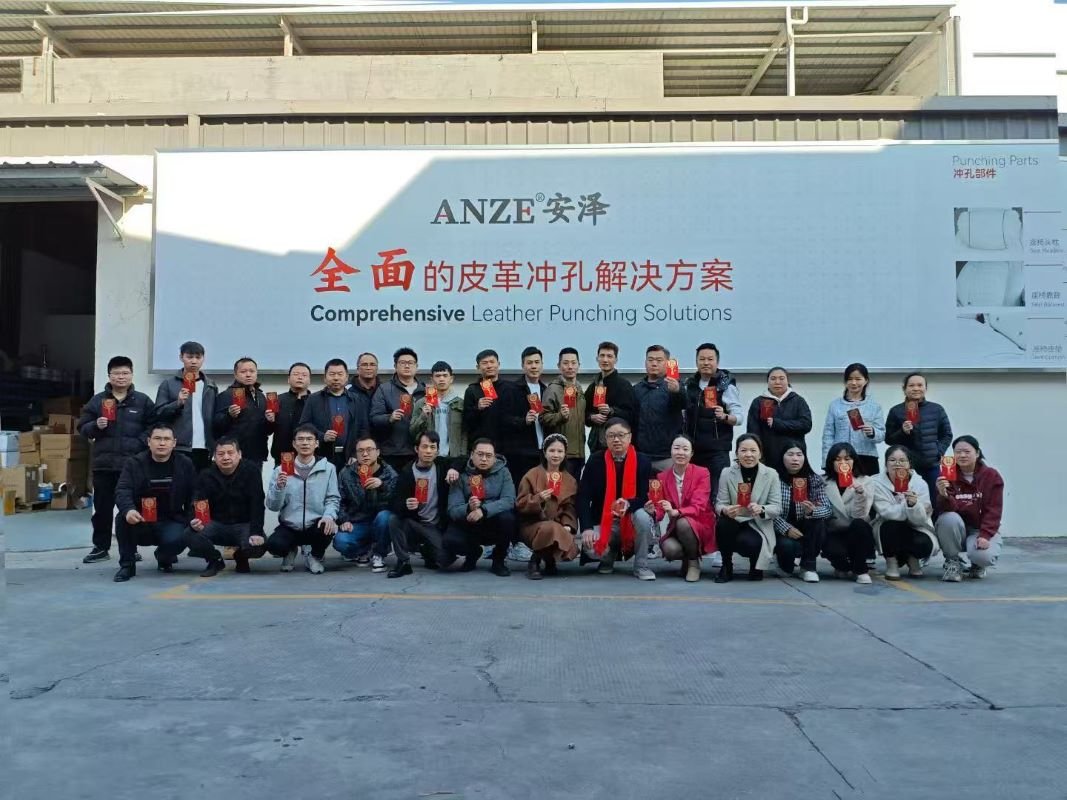
Anze provides customized leather punching solutions for challenging materials such as oil-tanned leather
Processing oil-tanned leather requires special attention because oil residue can easily affect punching molds and reduce production stability.
Common challenges include:
- Mold blockage
- Oil accumulation
- Reduced cutting performance
- Poor hole quality
Ein Profi Lochmaschine für Leder must combine precise mechanical design, optimized molds, suitable processing parameters, and effective maintenance solutions.
With more than 20 years of experience, Anze provides customized leather punching solutions for challenging materials such as oil-tanned leather.
Through advanced Lochstanzmaschine für Leder technology, professional engineering support, and customized CNC-Lederperforationsmaschine solutions, Anze helps manufacturers achieve stable production, cleaner perforation results, and longer equipment service life.
Dank unseres erfahrenen und kompetenten Teams sind wir mit allen Materialeigenschaften sowie der Verarbeitungstechnologie bestens vertraut und können Maschinen zur Lederperforation individuell an Ihre Anforderungen anpassen. Bei Fragen stehen wir Ihnen gerne zur Verfügung! WhatsApp: +86 180 0298 0031
Wie wird die Maschine installiert und gewartet?
Einige Modelle werden bereits werksseitig montiert geliefert. Großgeräte werden in mehreren Teilen verpackt und mit einer Montageanleitung geliefert. Alle Geräte sind mit Bedienungsanleitungen in chinesischer und englischer Sprache ausgestattet.
Kunden können Mitarbeiter zur Schulung in das Anze-Werk entsenden, oder wir entsenden technische Experten für eine Schulung vor Ort.
Welche Anforderungen gelten für die Arbeitsumgebung der Maschine?
Der CNC-Lederstanzmaschine Die Maschine sollte auf einem stabilen Tisch befestigt werden, und die Umgebung sollte sauber und ordentlich gehalten werden, um den Kontakt mit Staub, statischer Elektrizität, Feuchtigkeit und Spänen zu vermeiden, die zu Teileausfällen führen könnten.
Wie sehen Ihre Richtlinien für den Kundendienst (After-Sales) aus?
Wir verfügen über ein erfahrenes Kundendienstteam, einen 24-Stunden-Online-Service und ein umfassendes Kundendienstsystem. Wir bieten Werkschulungen, technische Video-Tutorials und Unterstützung für die Wartung von Maschinen im Ausland. Zudem stehen Ihnen unsere Ingenieure zur Verfügung.
Stehen Sie für eine spontane Einladung zur Verfügung?
Selbstverständlich freuen wir uns über Ihren Besuch in unserem Unternehmen und bieten Ihnen die Möglichkeit zu einem persönlichen Gespräch, um die gegenseitigen Geschäftsbeziehungen zu fördern.
Wie lange ist die Lieferzeit?
Die Lieferzeit variiert je nach Bestellmenge und individuellen Anpassungen und beträgt in der Regel 7 bis 10 Werktage. Bei Sonderanfertigungen von Lederstanzmaschinen beträgt die Lieferzeit 1 bis 2 Monate.