

Last Updated on 2026-09-03 by أنزي
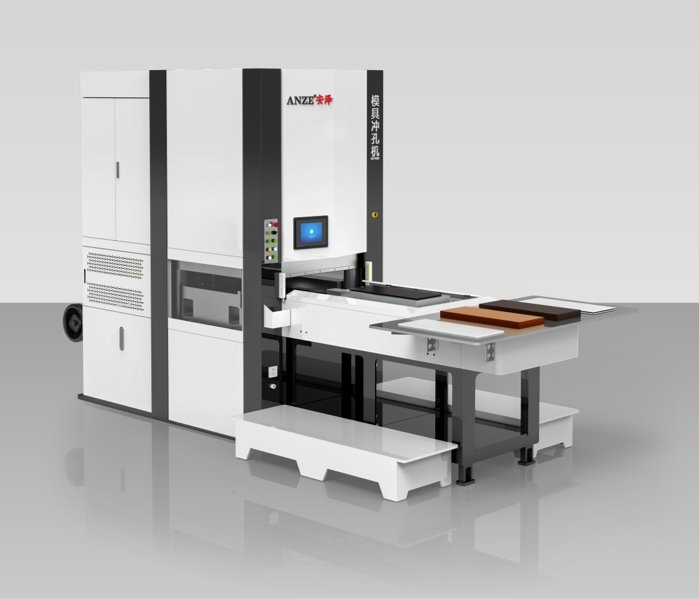
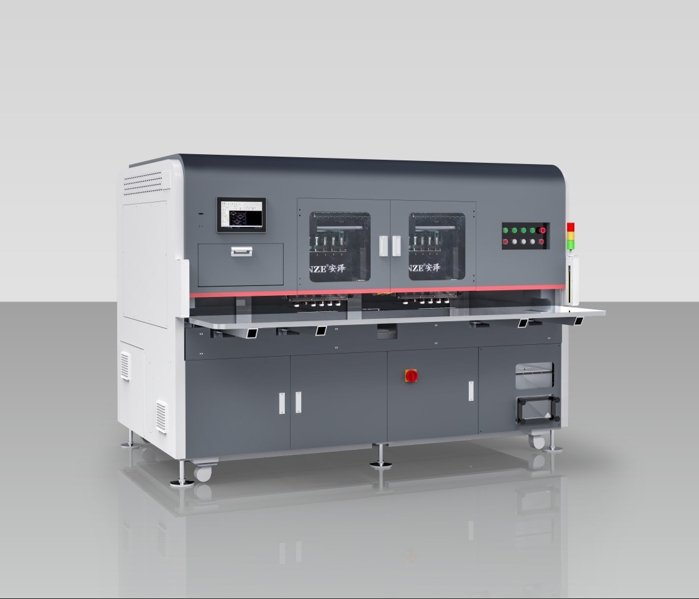
Anze Leather Perforating Machine Solutions for Stable Mold Performance When Processing Oil-Rich Leather Materials
Oil-tanned leather is widely recognized for its unique appearance, softness, flexibility, and durability. Because of these advantages, it is frequently used in premium applications such as:
- التصميمات الداخلية للسيارات
- أثاث فاخر
- Motorcycle seats
- High-end bags and accessories
- Outdoor leather products
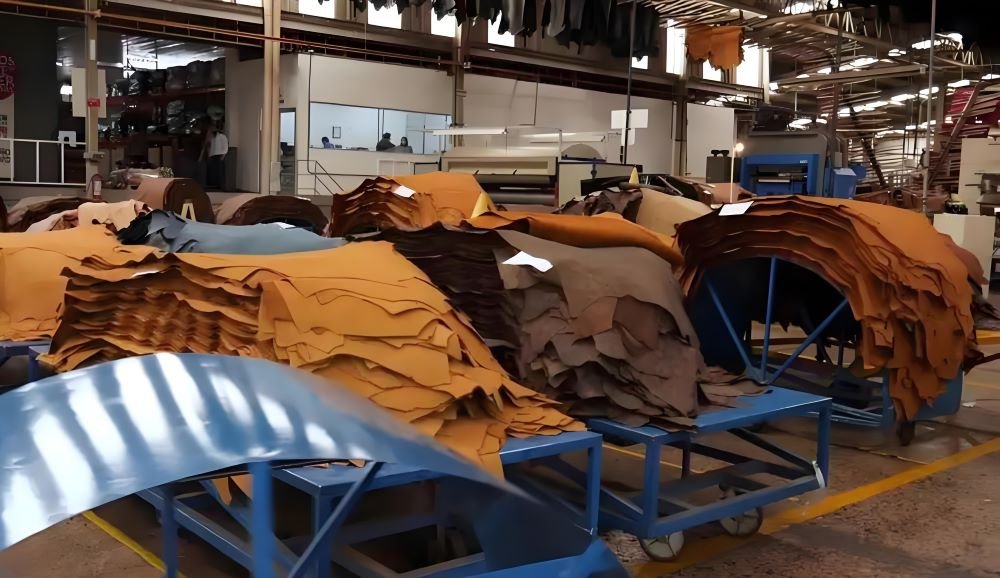
Unlike conventional leather, oil-tanned leather contains a higher amount of natural oils, waxes, and lubricating compounds inside its fiber structure. These oils create a smooth touch feeling and excellent flexibility, but they also introduce a difficult challenge during leather perforation processing.
When oil-tanned leather is processed by a traditional mold punching system, oil residue can gradually accumulate inside the punching molds and around the cutting edges.
This can cause problems such as:
- Leather material sticking inside mold holes
- Reduced punching efficiency
- Blocked punching holes
- Increased machine downtime
- Poor hole edge quality
- Uneven perforation results
For leather processing factories producing large quantities of perforated leather, especially automotive and furniture manufacturers, mold contamination can seriously affect production efficiency.
محترف آلة تثقيب الجلد must consider not only punching force and accuracy but also material characteristics such as oil content, softness, elasticity, and surface treatment.
بصفتي خبيرًا مصنع آلات تثقيب الجلود with more than 20 years of engineering experience, Anze has developed more than 20 models of leather punching equipment and provided customized solutions for different leather materials.
Through optimized mold structures, improved punching processes, and professional technical solutions, Anze helps customers solve oil residue problems and maintain stable production quality.
This article explains why oil-tanned leather blocks punching molds and how advanced آلة تثقيب الجلد technology prevents oil residue from affecting production.
Understanding Oil-Tanned Leather Before Using a Leather Perforating Machine
Before solving mold blockage problems, manufacturers need to understand the characteristics of oil-tanned leather.
Oil-tanned leather is produced by introducing oils and lubricating agents into the leather fibers during the tanning process.
These oils provide:
- Soft hand feeling
- High flexibility
- Natural appearance
- Better resistance to cracking
However, these same properties create challenges during punching.
Why Oil-Tanned Leather Is Different from Normal Leather
Compared with standard leather, oil-tanned leather has:
Higher Oil Content
The internal oil content can migrate toward the surface during processing.
During punching, heat and pressure may force oil out of the leather structure.
Softer Fiber Structure
Oil-treated fibers are more flexible.
This improves comfort but may make clean punching more difficult.
Higher Surface Lubricity
The surface may become slippery, affecting:
- Material positioning
- Punching stability
- Mold cleanliness

Common Problems When Punching Oil-Tanned Leather
Problem 1: Oil Residue Sticking Inside Punching Molds
The most common issue is oil accumulation inside mold holes.
During continuous operation:
- The punching tool contacts oily leather.
- Oil transfers onto the mold surface.
- Leather particles mix with oil.
- Residue gradually builds up.
Eventually, the mold openings become partially blocked.
How Mold Blockage Affects Leather Perforating Machine Performance
A blocked mold can create several production problems.
Reduced Punching Quality
When holes become partially blocked:
- Leather cannot separate completely
- Hole edges become rough
- Waste removal becomes difficult
Increased Machine Load
Blocked molds require more punching force.
This may cause:
- Higher energy consumption
- Faster component wear
- Reduced machine stability
Lower Production Efficiency
Operators need to stop frequently for:
- Mold cleaning
- Manual maintenance
- Production adjustment
This reduces overall productivity.
Problem 2: Oil Causes Leather Waste to Stick to Mold Components
During punching, small leather particles are created.
Normally, these particles should be removed easily.
However, oil residue acts like an adhesive.
The combination of:
- Leather dust
- Oil
- Heat
- Pressure
creates sticky contamination.
This is especially problematic in high-volume production.
Problem 3: Hole Edge Quality Problems
A clean punching process requires:
- Sharp cutting edges
- Smooth material separation
- Stable punching movement
When oil contamination occurs:
- Cutting performance decreases
- Material may stretch instead of cutting
- Hole edges become uneven
For premium leather applications, this is unacceptable.
How Anze Leather Perforating Machine Solutions Prevent Oil Residue Problems
Anze engineers analyze the complete punching process instead of focusing only on the punching tool.
Our solutions include improvements in:
- Mold design
- Punching parameters
- Cleaning systems
- مناولة المواد
1. Optimized Punching Mold Design for Oil-Tanned Leather
The mold structure plays a critical role.
Anze engineers optimize:
Mold Hole Geometry
Proper geometry helps:
- Reduce material accumulation
- Improve waste removal
- Maintain cutting efficiency
Surface Treatment Technology
The mold surface can be optimized to reduce:
- Oil adhesion
- Material sticking
- Friction
Easy Maintenance Structure
محترف ماكينة ثقب الجلود should allow efficient cleaning and maintenance.
Anze designs systems that reduce downtime during production.
2. Correct Punching Parameters for Oil-Rich Leather
Oil-tanned leather requires different settings compared with dry leather.
تشمل المعايير المهمة ما يلي:
Punching Speed
Too fast:
- Generates more heat
- Increases oil migration
Too slow:
- Reduces productivity
Anze engineers optimize speed according to material conditions.
Punching Pressure
Excessive pressure may:
- Compress leather
- Push oil outward
- Increase contamination
Proper force control improves mold cleanliness.
3. Cooling and Heat Management
Heat is one of the major causes of oil migration.
During continuous punching:
- Mold temperature increases
- Oil becomes more fluid
- Residue formation accelerates
أنزي آلة تثقيب الجلد solutions consider thermal management.
تشمل المزايا ما يلي:
- Reduced heat accumulation
- More stable long-term operation
- Improved mold lifespan
4. Effective Waste Removal System
Leather punching creates waste particles.
For oil-tanned leather, waste removal becomes even more important.
Anze equipment can integrate:
- Waste collection systems
- Dust extraction solutions
- Cleaning mechanisms
This prevents particles from returning into the punching area.
CNC Perforating Leather Machine Advantages for Oil-Tanned Leather Processing
Although mold punching machines are widely used for high-volume production, CNC technology provides additional flexibility.
A ماكينة تثقيب الجلود CNC offers:
Flexible Processing Parameters
Operators can adjust:
- Speed
- Position
- Pattern
- سلسلة اللكمات
according to leather characteristics.
Reduced Mold Dependency
CNC systems reduce some problems associated with fixed molds.
Advantages include:
- Faster design changes
- Lower tooling requirements
- Easier customization
Better Control for Premium Leather Products
For luxury leather applications, CNC systems help achieve:
- Complex patterns
- تصاميم مخصصة
- Consistent quality
Applications of Oil-Tanned Leather Perforation
Automotive Interior Industry
Oil-treated leather is used in premium vehicles because of its:
- Soft feeling
- Natural appearance
- Luxury characteristics
تشمل التطبيقات ما يلي:
- Car seats
- Door panels
- Interior decorative components
موثوق به آلة تثقيب الجلد يضمن:
- Stable ventilation holes
- مظهر فاخر
- Consistent production
Luxury Furniture Manufacturing
Oil-tanned leather is popular for:
- Sofas
- Lounge chairs
- Office seating
يشترط المصنعون ما يلي:
- Beautiful perforation patterns
- حواف الثقوب ناعمة
- High production stability
Motorcycle and Outdoor Leather Products
These products require:
- متانة
- Flexibility
- التهوية
Precision perforation improves comfort and design value.
How to Maintain Punching Molds When Processing Oil-Tanned Leather
Even with optimized equipment, proper maintenance is important.
Recommended practices include:
Regular Mold Inspection
يفحص:
- Hole condition
- Residue accumulation
- Cutting edge condition
Scheduled Cleaning
Cleaning frequency depends on:
- Leather oil content
- سرعة الإنتاج
- Working hours
Monitor Punching Quality
Early signs of contamination include:
- Rough hole edges
- Increased punching resistance
- Material sticking
Immediate adjustment prevents larger problems.

لماذا تختار شركة Anze كشركة مصنعة لآلات تثقيب الجلود؟
تتمتع شركة أنزي بخبرة تزيد عن 20 عامًا في تصميم وتصنيع معدات معالجة الجلود.
يشمل عملاؤنا ما يلي:
- مصنعي الديكورات الداخلية للسيارات
- Furniture leather factories
- Leather processors
- Equipment distributors
Professional Experience with Different Leather Materials
تقدم أنزي حلولاً لما يلي:
- Genuine leather
- Synthetic leather
- PU leather
- Oil-tanned leather
- Foam-laminated leather
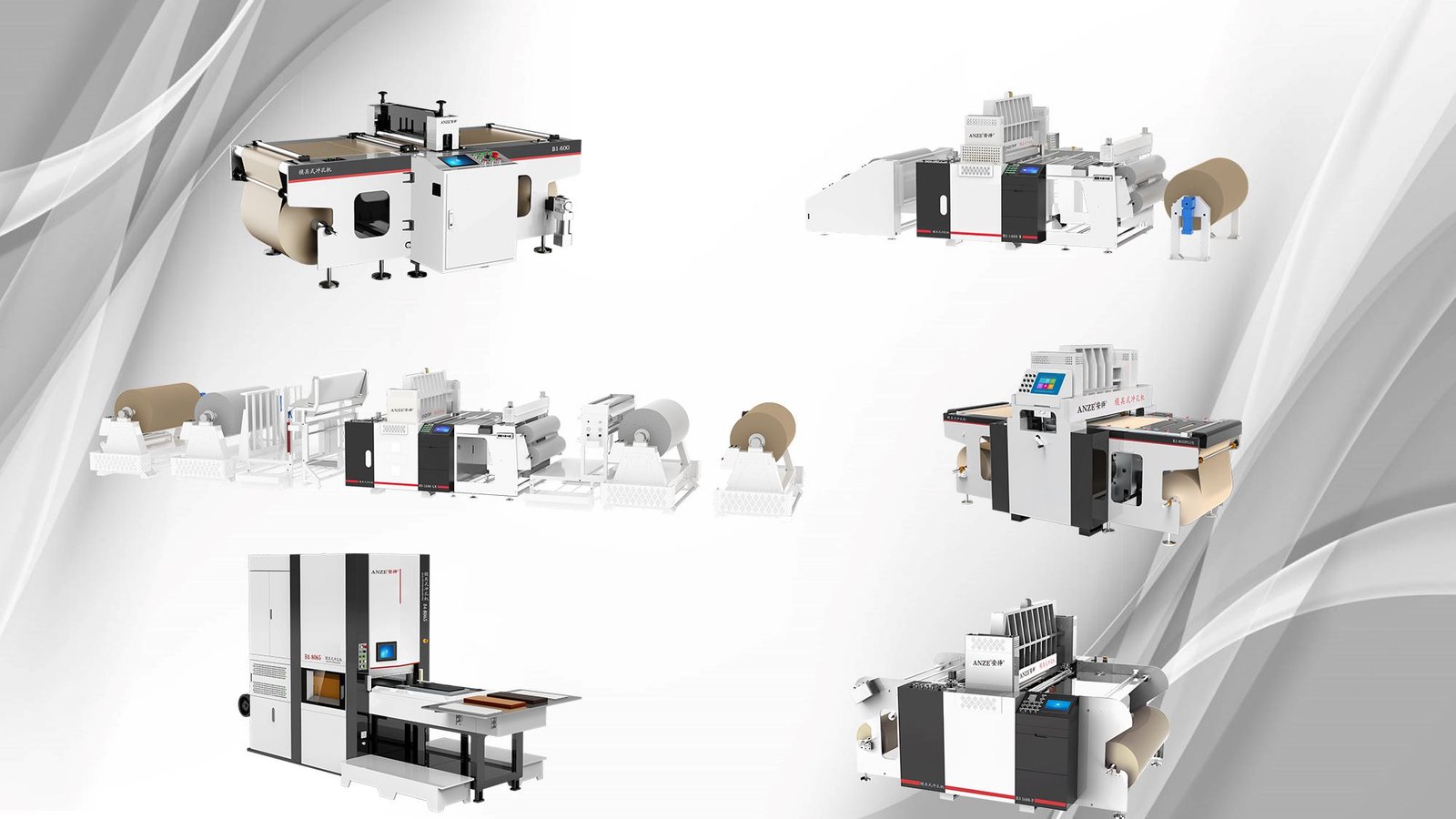
More Than 20 Self-Developed Leather Punching Machines
Our product range includes:
- Mold leather perforation machines
- CNC perforating leather machines
- Automated leather punching systems
Customized Engineering Support
Every leather material behaves differently.
Anze provides customized recommendations based on:
- Leather structure
- Oil content
- Production requirements
- Perforation design
Future Development of Leather Perforation Technology
As leather applications become more specialized, manufacturers need smarter processing solutions.
Future trends include:
- Intelligent mold monitoring
- Automated cleaning systems
- AI-based quality inspection
- Smart production management
متقدم ماكينة ثقب الجلود technology will continue improving efficiency and quality.
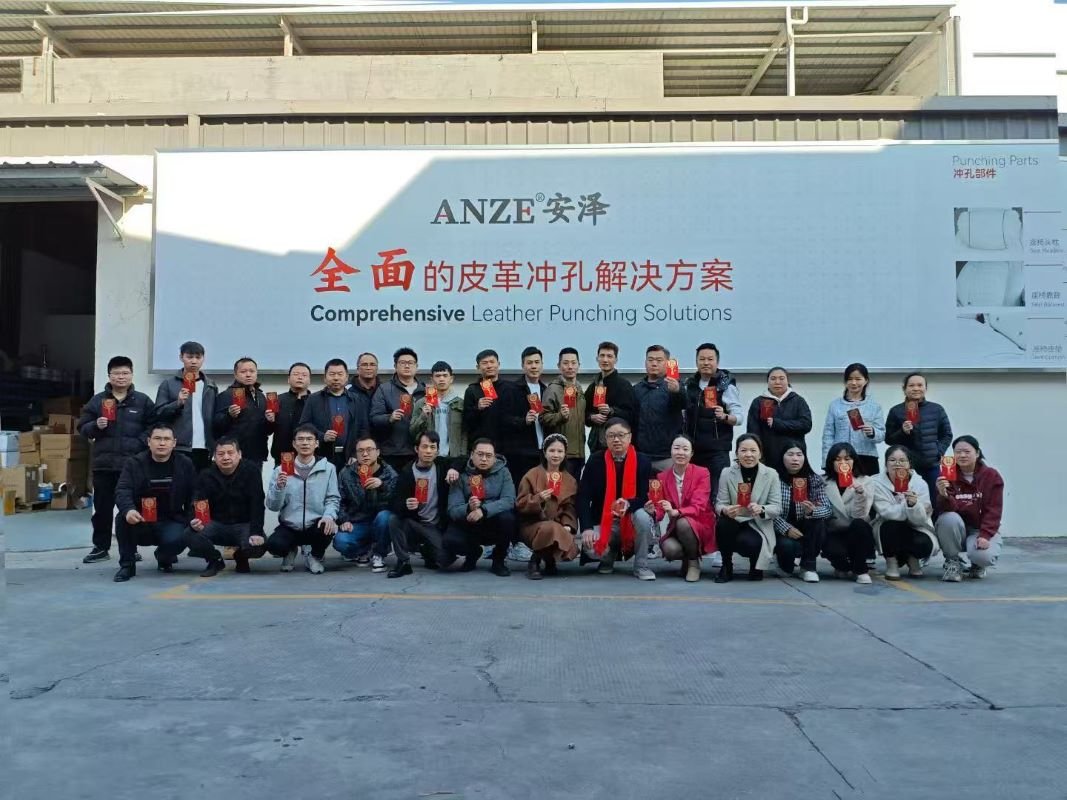
Anze provides customized leather punching solutions for challenging materials such as oil-tanned leather
Processing oil-tanned leather requires special attention because oil residue can easily affect punching molds and reduce production stability.
Common challenges include:
- Mold blockage
- Oil accumulation
- Reduced cutting performance
- Poor hole quality
محترف آلة تثقيب الجلد must combine precise mechanical design, optimized molds, suitable processing parameters, and effective maintenance solutions.
With more than 20 years of experience, Anze provides customized leather punching solutions for challenging materials such as oil-tanned leather.
من خلال التقنيات المتقدمة ماكينة ثقب الجلود technology, professional engineering support, and customized ماكينة تثقيب الجلود CNC solutions, Anze helps manufacturers achieve stable production, cleaner perforation results, and longer equipment service life.
بفضل فريقنا الذي يتمتع بالخبرة والمهارة، نحن على دراية تامة بخصائص مختلف المواد وتقنيات المعالجة، ولدينا القدرة على تخصيص آلات ثقب الجلود وفقاً لاحتياجات العملاء. لا تترددوا في التواصل معنا لأي استفسار! واتساب: 0031 0298 180 86+
كيف يتم تركيب الجهاز وصيانته؟
يتم شحن بعض الموديلات مجمعة في المصنع. يتم تغليف المعدات الكبيرة في عدة أجزاء ويتم توفير دليل التركيب. جميع المعدات مزودة بأدلة استخدام باللغتين الصينية والإنجليزية.
يمكن للعملاء إرسال شخص ما إلى مصنع أنزي للتعلم أو نرسل خبراء تقنيين لتوفير التدريب في الموقع
ما هي متطلبات بيئة عمل الماكينة؟
إن ماكينة تثقيب الجلود باستخدام الحاسب الآلي يجب أن تكون مثبتة على طاولة ثابتة ويجب الحفاظ على البيئة نظيفة ومرتبة لتجنب ملامسة الغبار والكهرباء الساكنة والرطوبة والرقائق لتسبب تعطل الأجزاء.
كيف هي سياسات ما بعد البيع لديكم؟
لدينا فريق خدمة ما بعد البيع من ذوي الخبرة على مدار 24 ساعة عبر الإنترنت ونظام كامل لما بعد البيع. دعم التدريب في المصنع، دعم التدريب في المصنع، فيديو فني متاح لخدمة الآلات في الخارج.
هل أنت متاح للدعوة الفورية؟
بالطبع نحن نرحب بزيارة شركتنا والتواصل وجهاً لوجه لتعزيز الأعمال المتبادلة.
ما هو وقت التسليم؟
تختلف المهلة الزمنية حسب كمية الطلب والتخصيص، وتتراوح عادةً من 7 إلى 10 أيام عمل، وإذا كان طلب ماكينة تثقيب الجلود مخصصة، فيستغرق الأمر من شهر إلى شهرين.