










Abstract: The Engineering Challenge of Long-Length Leather Perforation
Maintaining ±0.05mm hole spacing consistency across a 3-meter leather hide is one of the most technically demanding challenges in modern leather perforation manufacturing. When working with long or continuous materials—such as automotive seat leather rolls exceeding 5 meters—small deviations can accumulate into significant defects, leading to:
- Visible pattern distortion
- Misaligned perforation zones
- Product rejection in high-end applications
For industries like automotive interiors and luxury furniture, precision is not optional—it is a strict requirement.
As a professional manufacturer with over 20 years of experience, أنزي has developed high-precision solutions capable of maintaining ultra-tight tolerances across long materials using advanced آلة تثقيب الجلد systems.
This article provides a comprehensive technical breakdown of how to achieve and maintain ±0.05mm hole spacing consistency in long-length leather perforation.
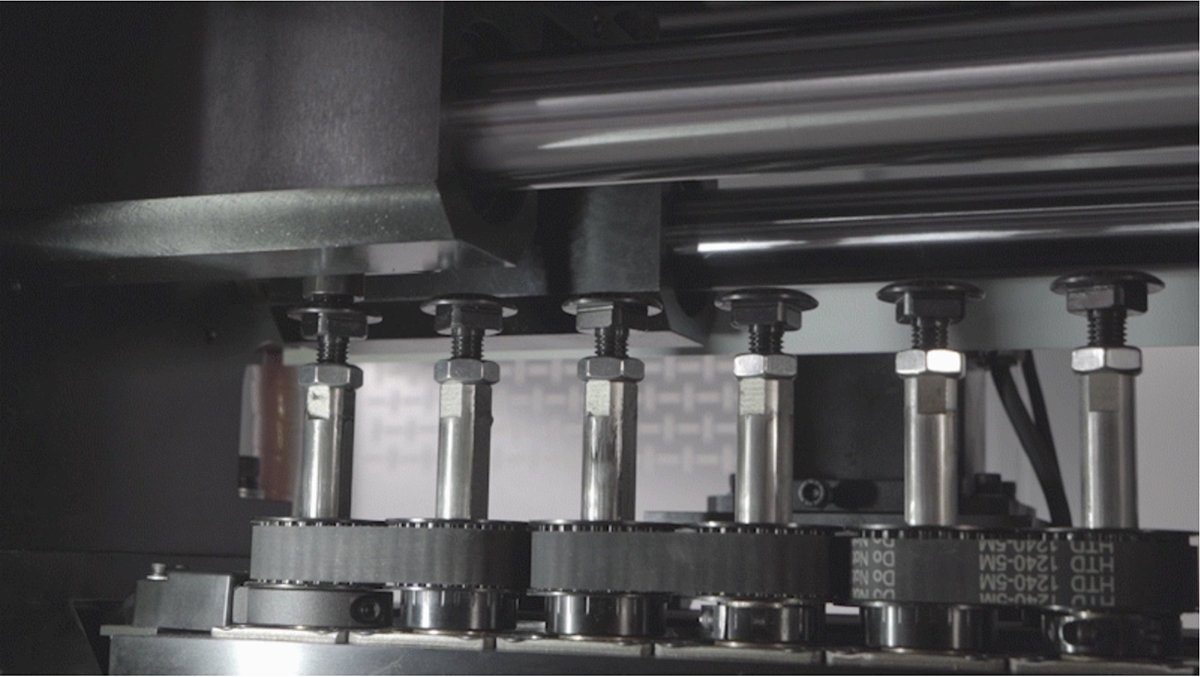
1. Why Hole Spacing Consistency Is Difficult in Long Leather Perforation
1.1 Accumulated Error Over Distance
Even a tiny positioning error of 0.01 mm per cycle can accumulate:
- Over 3 meters → visible deviation
- Pattern distortion becomes obvious
- Final product fails quality standards
1.2 Material Elasticity and Stretching
Leather is not dimensionally stable:
- Natural elasticity
- Variable thickness
- Stretch during feeding
This makes precise positioning extremely difficult.
1.3 Feeding System Limitations
Traditional feeding systems suffer from:
- Slippage
- Inconsistent tension
- Uneven movement
These issues directly affect hole spacing.
1.4 Environmental Factors
Temperature and humidity can cause:
- Material expansion or contraction
- Mechanical component variation
2. Core Principles for Achieving ±0.05mm Precision
To maintain ±0.05mm consistency, a system must control:
- Position accuracy
- Motion synchronization
- Material stability
- Mechanical rigidity
راقٍ آلة تثقيب الجلد must integrate all these factors.
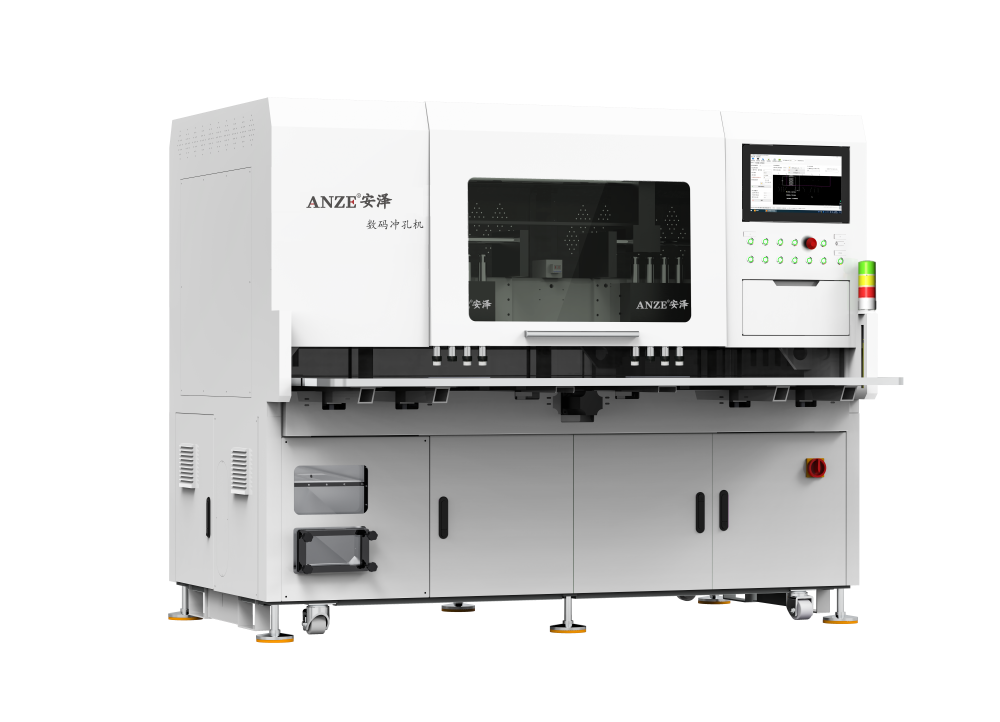
3. High-Precision Servo Feeding System
3.1 Closed-Loop Servo Control
An advanced feeding system uses:
- Servo motors
- High-resolution encoders
- Real-time feedback
This ensures exact material positioning at every step.
3.2 Anti-Slip Feeding Mechanism
Key innovations include:
- High-friction rollers
- Vacuum adsorption tables
- Synchronized clamping systems
These prevent material drift during operation.
4. CNC Control System for Long-Distance Accuracy
4.1 Absolute Position Tracking
Modern CNC systems track position using:
- Absolute encoders
- Digital coordinate systems
This eliminates cumulative error.
4.2 Intelligent Compensation Algorithms
The system automatically adjusts for:
- Material stretch
- Mechanical deviation
- Thermal expansion
5. Mechanical Structure Design for Stability
5.1 High-Rigidity Frame
A stable frame prevents:
- Vibration
- Deformation
- Misalignment
5.2 Precision Linear Guides
High-quality guides ensure:
- Smooth movement
- تحديد المواقع بدقة
- Long-term stability
6. Multi-Zone Tension Control in Long Leather Feeding
6.1 Tension Balancing System
Maintains consistent tension across:
- Entire leather surface
- Feeding direction
6.2 Dynamic Adjustment
The system adjusts tension in real time to prevent:
- تمارين التمدد
- Wrinkling
- Uneven feeding
7. Tooling Precision and Alignment
7.1 High-Tolerance Punching Tools
Precision tools ensure:
- Consistent hole size
- تحديد المواقع بدقة
7.2 Tool Alignment Calibration
Regular calibration prevents:
- Offset errors
- تشوه النمط
8. Synchronization Between Punching and Feeding
8.1 Motion Coordination
The punching system must synchronize perfectly with feeding:
- No lag
- No overshoot
- No delay
8.2 Timing Optimization
Precise timing ensures:
- Accurate hole placement
- Consistent spacing
9. Error Detection and Real-Time Correction
9.1 Sensor Integration
Sensors monitor:
- Position deviation
- Material movement
- System stability
9.2 Automatic Correction
The system corrects errors instantly, maintaining ±0.05mm accuracy.
10. Handling Long Leather Rolls and Continuous Materials
10.1 Roll-to-Roll Processing
Anze systems support:
- Continuous perforation
- Large-scale production
10.2 Edge Alignment Systems
Ensure straight feeding across long distances.
11. Case Study: Automotive Leather Perforation
In automotive applications:
- Even spacing is critical for aesthetics
- Any deviation is highly visible
Anze machines achieve consistent results across multi-meter materials.
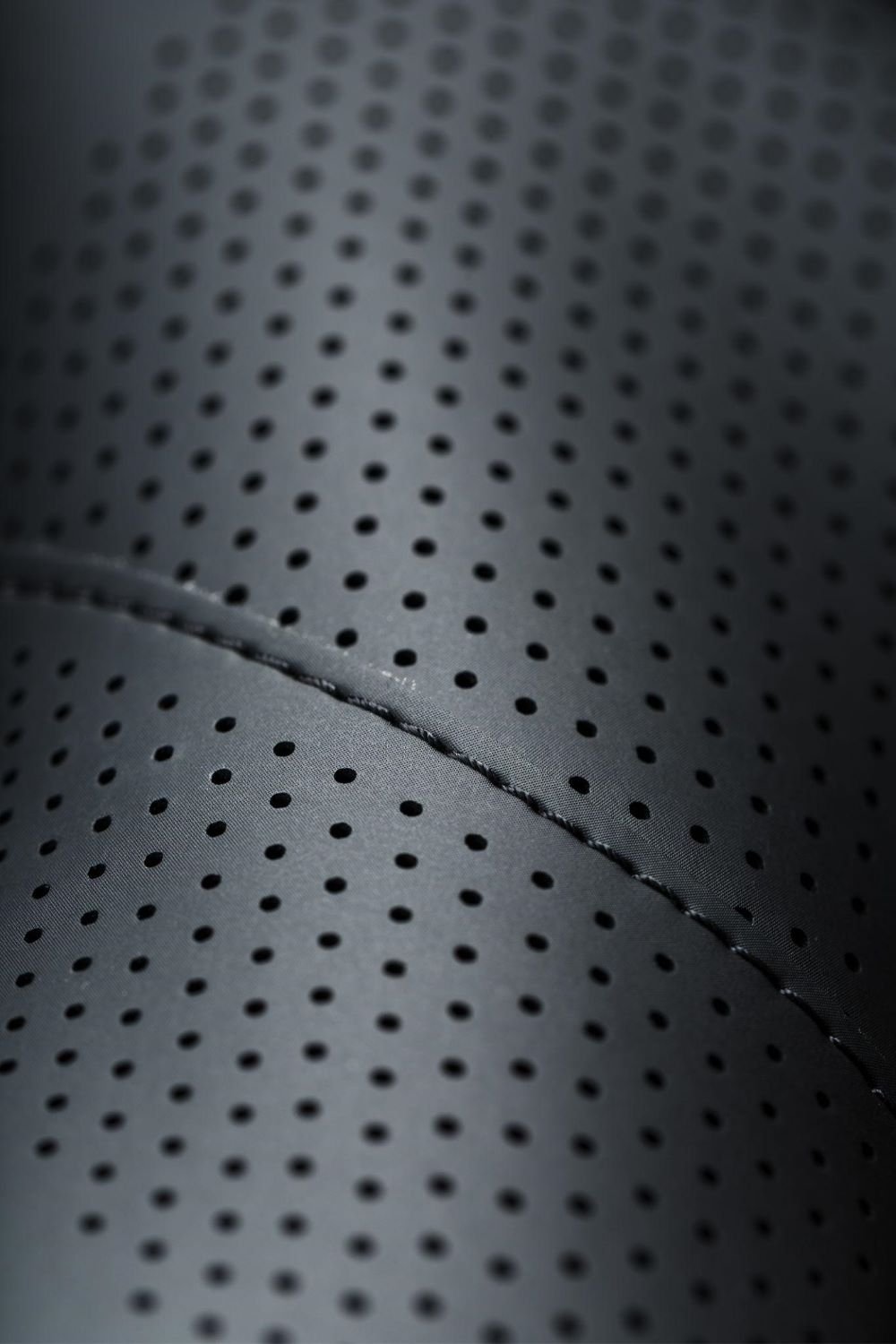
12. Common Mistakes That Cause Spacing Errors
Avoid:
- Poor feeding system design
- Lack of calibration
- Ignoring material properties
- Low-quality machines
13. Why Standard Machines Fail at ±0.05mm Precision
Traditional machines lack:
- Advanced servo control
- Real-time feedback
- Intelligent compensation
14. Advantages of Anze High-Precision Leather Perforating Machine
- ±0.05mm accuracy across long materials
- Stable high-speed operation
- Advanced CNC control
- Industry-proven reliability
15. Future Trends in High-Precision Leather Perforation
- AI-based motion optimization
- Smart material sensing
- Fully automated production lines
Achieving Perfect Consistency in Long Leather Perforation
Maintaining ±0.05mm hole spacing consistency across a 3-meter leather hide requires a combination of:
Advanced CNC control
Precision servo feeding
Stable mechanical design
Intelligent compensation systems
With the right technology, manufacturers can achieve perfect consistency even in long-length perforation applications.
Anze’s high-precision آلة تثقيب الجلد solutions are designed to meet these exact challenges, helping customers achieve superior quality and production efficiency.
بفضل فريقنا الذي يتمتع بالخبرة والمهارة، نحن على دراية تامة بخصائص مختلف المواد وتقنيات المعالجة، ولدينا القدرة على تخصيص آلات ثقب الجلود وفقاً لاحتياجات العملاء. لا تترددوا في التواصل معنا لأي استفسار! واتساب: 0031 0298 180 86+
كيف يتم تركيب الجهاز وصيانته؟
يتم شحن بعض الموديلات مجمعة في المصنع. يتم تغليف المعدات الكبيرة في عدة أجزاء ويتم توفير دليل التركيب. جميع المعدات مزودة بأدلة استخدام باللغتين الصينية والإنجليزية.
يمكن للعملاء إرسال شخص ما إلى مصنع أنزي للتعلم أو نرسل خبراء تقنيين لتوفير التدريب في الموقع
ما هي متطلبات بيئة عمل الماكينة؟
إن ماكينة تثقيب الجلود باستخدام الحاسب الآلي يجب أن تكون مثبتة على طاولة ثابتة ويجب الحفاظ على البيئة نظيفة ومرتبة لتجنب ملامسة الغبار والكهرباء الساكنة والرطوبة والرقائق لتسبب تعطل الأجزاء.
كيف هي سياسات ما بعد البيع لديكم؟
لدينا فريق خدمة ما بعد البيع من ذوي الخبرة على مدار 24 ساعة عبر الإنترنت ونظام كامل لما بعد البيع. دعم التدريب في المصنع، دعم التدريب في المصنع، فيديو فني متاح لخدمة الآلات في الخارج.
هل أنت متاح للدعوة الفورية؟
بالطبع نحن نرحب بزيارة شركتنا والتواصل وجهاً لوجه لتعزيز الأعمال المتبادلة.
ما هو وقت التسليم؟
تختلف المهلة الزمنية حسب كمية الطلب والتخصيص، وتتراوح عادةً من 7 إلى 10 أيام عمل، وإذا كان طلب ماكينة تثقيب الجلود مخصصة، فيستغرق الأمر من شهر إلى شهرين.