










Last Updated on 2025-11-03 by أنزي
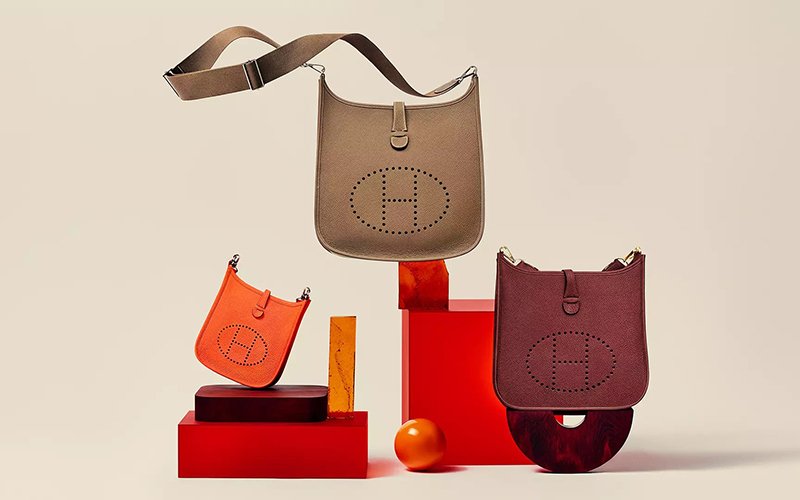
In the modern fashion and leather goods industry, perforation has evolved from a decorative technique into a precision engineering process that determines both product aesthetics and functional performance. Whether it is a luxury handbag, a high-end backpack, or a custom leather accessory, تخريم الجلد allows manufacturers to achieve design distinction, lightweight construction, and enhanced breathability — all while maintaining the natural beauty of genuine leather.At the heart of this craftsmanship lies the ماكينة التثقيب — a precision-engineered system that enables consistent, accurate, and high-speed perforation on leather surfaces. For bag manufacturers, the quality of perforation can influence tactile feel, strength, durability, and even brand perception.
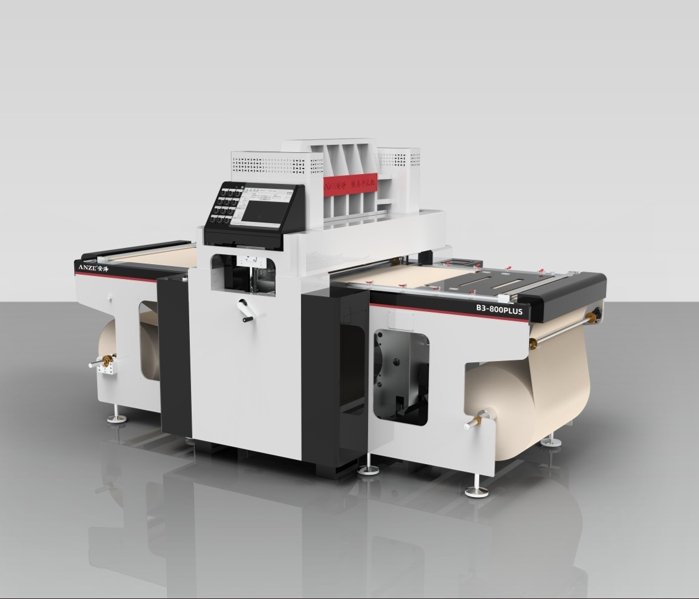
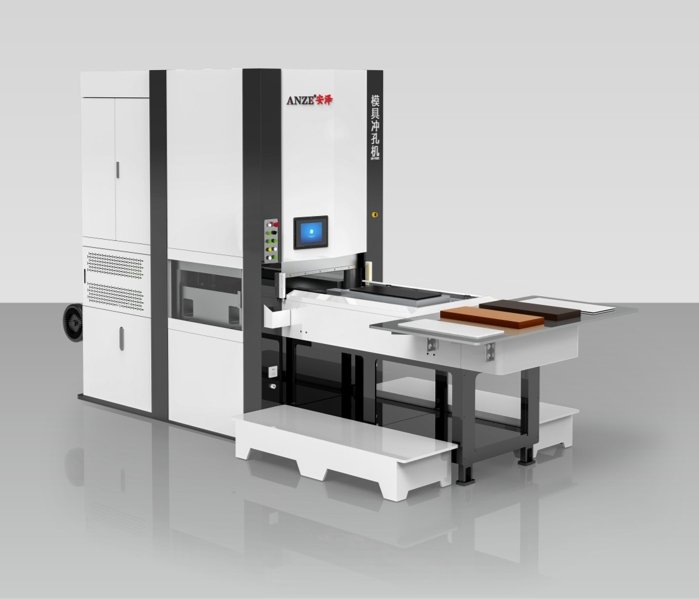
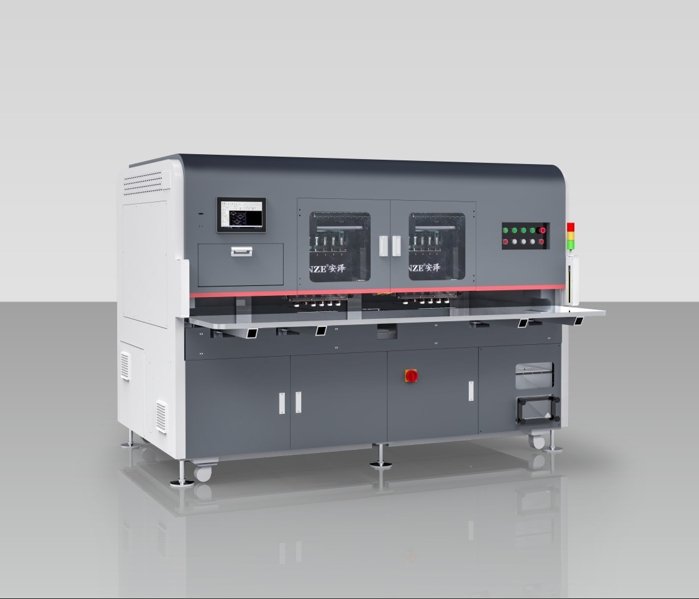
أنزي, a professional الشركة المصنعة لماكينات التثقيب, has more than 20 years of design and manufacturing experience. The company has developed over 20 bestselling machine models used across multiple industries, including automotive interiors, footwear, furniture, and luxury leather goods. For bag production, Anze’s perforating machines deliver customizable patterns, exact tolerances, and stable operation suited for natural and synthetic leather materials.
1. Principles of Leather Perforation
Leather perforation involves creating precise holes or micro-patterns on leather surfaces without damaging material integrity. The process requires a balance between mechanical force, tool geometry, and material response.
1.1 Material Considerations
Leather is an anisotropic material — its fibers have direction-dependent strength. When perforating:
Natural leather fibers can stretch and tear if punch speed or pressure is inconsistent.
Synthetic or coated leather may melt or discolor under excessive heat or pressure.
Therefore, each leather type demands specific perforation parameters determined by machine calibration.
1.2 Geometry of Perforation
The hole shape and pattern significantly influence visual and functional outcomes.
Common geometries include:
Circular holes (classic aesthetic, high airflow)
Diamond-shaped holes (decorative, fashion-oriented)
Hexagonal or grid patterns (modern, lightweight design)
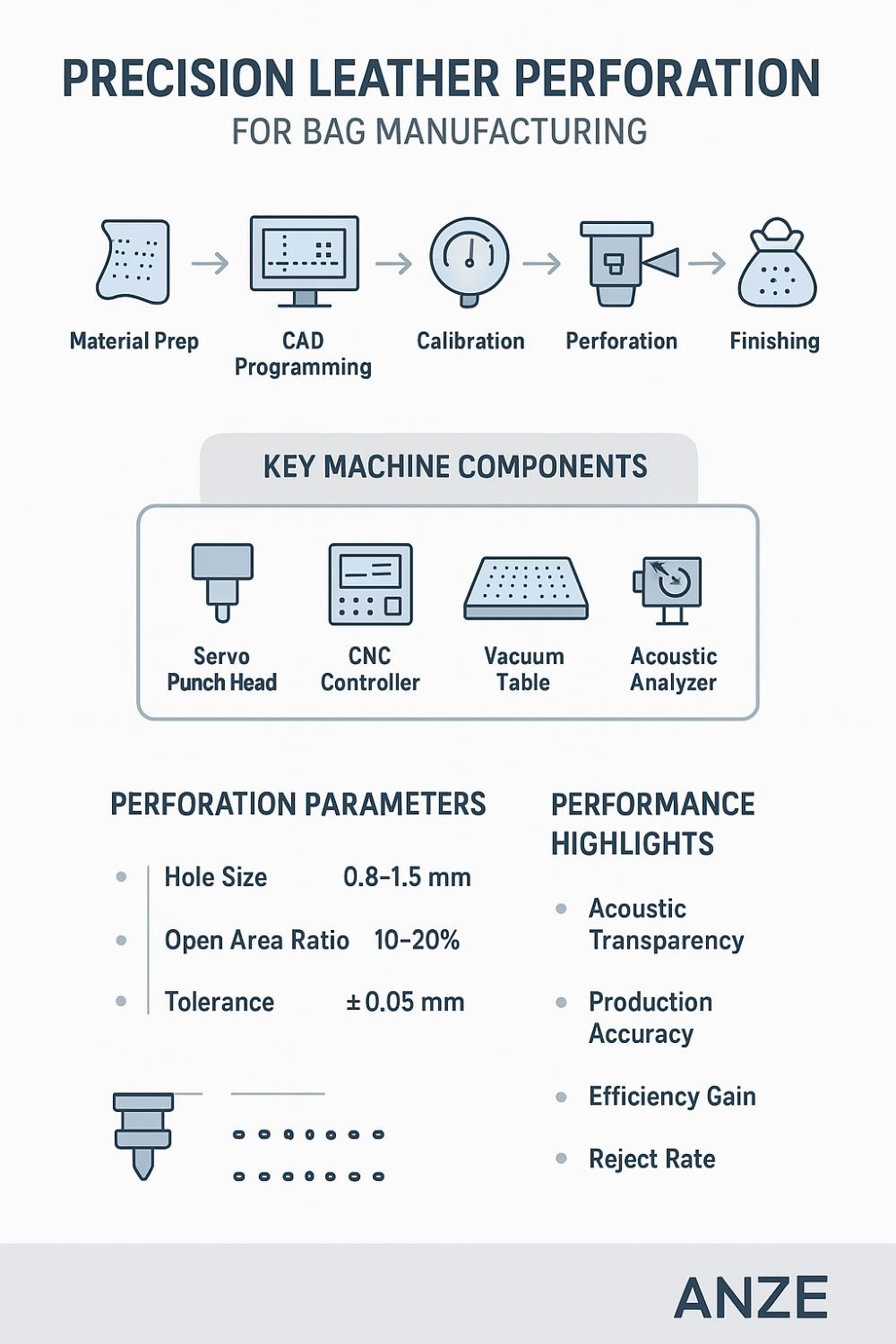
A high-quality ماكينة التثقيب must maintain ±0.05 mm tolerance in hole size and spacing to ensure visual uniformity and mechanical stability.
2. Structure of a Perforating Machine
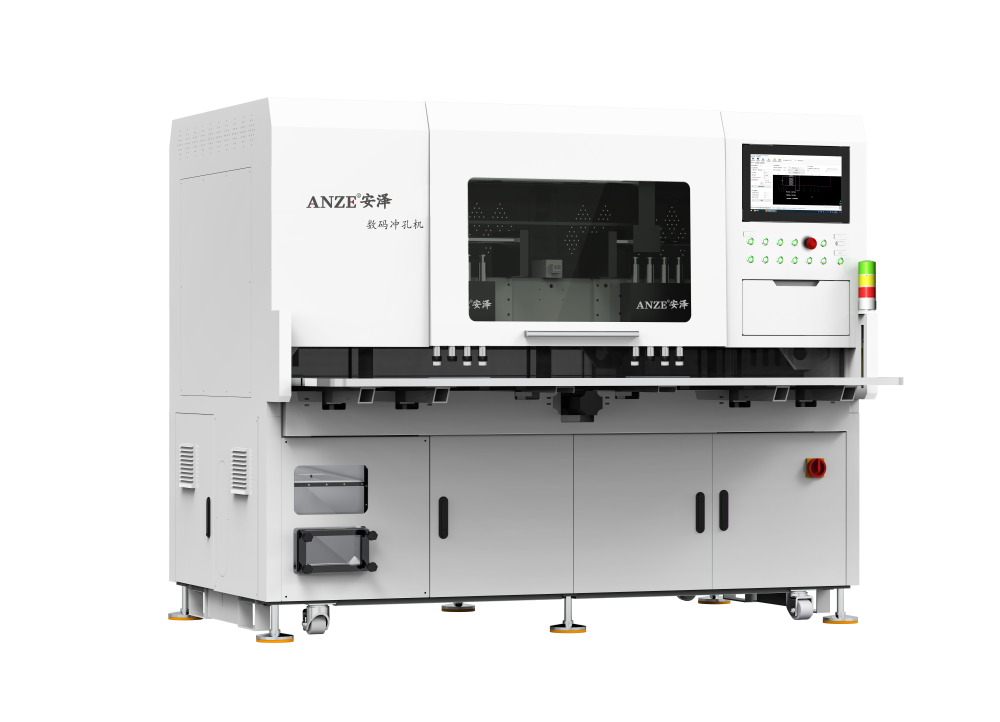
A ماكينة التثقيب combines mechanical precision with intelligent control. Below are its core components:
| Component | Function | Key Features |
|---|---|---|
| Punching Unit | Creates perforation patterns using mechanical pins or laser modules. | Servo-driven for accuracy; replaceable dies for pattern variation. |
| Material Feeding System | Moves leather sheet accurately under the punching head. | Servo motor control ensures consistent feed rate and alignment. |
| Vacuum Suction Platform | Stabilizes leather to prevent slippage or deformation. | Multi-zone suction with adjustable pressure. |
| CNC Controller | Manages tool movement, pattern geometry, and synchronization. | Compatible with CAD/CAM software for digital design import. |
| Vision Correction System | Detects and adjusts for leather texture or shape irregularities. | Optical sensors ensure repeatable precision. |
Anze’s next-generation machines feature CNC synchronization, AI-driven pattern alignment, و intelligent pressure feedback, ensuring consistent perforation across natural and synthetic leathers.
3. Leather Perforation Techniques for Bags
3.1 Mechanical Punching Perforation
The most traditional and widely used method for bag manufacturing. It involves steel dies with sharp pins that mechanically punch holes in the leather.
المزايا:
Ideal for thick natural leathers
High throughput and low maintenance
Excellent edge definition
Limitations:
Limited flexibility for intricate patterns
Requires die replacement for each design
3.2 CNC Perforation
In ماكينات التثقيب CNC, servo-driven punches follow digitally programmed paths.
المزايا:
Supports variable-density patterns
High accuracy (±0.03 mm)
Perfect for premium or limited-edition leather bags
3.3 Laser Perforation
Laser-based perforating machines utilize focused energy beams to burn microholes.
المزايا:
Suitable for synthetic or coated leathers
No mechanical stress
Enables creative patterns and micro-details
Limitations:
Requires thermal control to prevent discoloration
Higher energy consumption
3.4 Rotary Die Perforation
Used for continuous perforation on roll-fed materials.
المزايا:
High-speed production for large volumes
Uniform holes with excellent repeatability
Applications:
Leather rolls for large-scale bag manufacturing lines.
4. Process Parameters and Optimization
4.1 Key Parameters
| Parameter | Typical Range | Effect on Leather |
|---|---|---|
| Punching Pressure | 1.5 – 3.0 kN | Affects edge sharpness and hole clarity |
| Feed Speed | 50 – 200 mm/s | Impacts throughput and tearing risk |
| قطر الثقب | 0.8 – 2.5 mm | Controls texture and breathability |
| Spacing Pitch | 2 – 5 mm | Affects pattern density and strength |
| Vacuum Pressure | 0.2 – 0.5 bar | Stabilizes thin leathers |
4.2 Optimization Tips
Calibrate machine before each batch.
Use pre-conditioned leather (controlled humidity 40–60%).
Monitor punch wear to maintain edge sharpness.
For laser systems, adjust pulse width to <10 ms to avoid burn marks.
5. Tips and Techniques for Perfect Leather Perforation
5.1 Preventing Material Deformation
Maintain proper suction and even clamping pressure.
Use leather with uniform thickness (< ±0.1 mm variation).
5.2 Achieving Uniform Hole Edges
Replace dies regularly.
Keep punching tools clean from fiber buildup.
Use self-lubricating tool coatings (e.g., TiN or DLC).
5.3 Reducing Waste
Optimize layout using CAD nesting software.
Run pilot tests before large production batches.
Automate pattern correction via AI modules.
6. Quality Control and Testing
A high-end leather bag requires not only aesthetic precision but also structural integrity.
Quality assurance involves both visual and mechanical testing.
| Test Type | Purpose | Standard / Method |
|---|---|---|
| Visual Inspection | Detect pattern deviation or discoloration. | Manual or AI camera-based. |
| Dimensional Tolerance Test | Ensure hole diameter and spacing uniformity. | ±0.05 mm tolerance. |
| Tear Resistance Test | Check material strength post-perforation. | ASTM D4705. |
| Color Stability | Ensure no edge darkening or discoloration. | ISO 11644. |
| Flexibility Test | Simulate long-term use for bag bending zones. | ISO 5402. |
Anze integrates inline vision inspection و automated defect rejection in its perforating machines, minimizing human error.
7. Maintenance and Safety Guidelines
Regular maintenance extends the lifespan and accuracy of every perforating machine.
7.1 Maintenance Schedule
| Frequency | Task |
|---|---|
| Daily | Clean vacuum platform and inspect suction. |
| Weekly | Lubricate servo and guide rails. |
| Monthly | Check tool wear and recalibrate axis alignment. |
| Quarterly | Replace filters and inspect sensors. |
7.2 Safety Practices
Always disconnect power during die replacement.
Use protective gloves when handling laser systems.
Keep the work area free of dust and leather debris.
8. Case Study: Anze’s Perforating Machine for Premium Handbag Production
8.1 Client Background
A European luxury handbag brand required precision perforation for its 2024 limited-edition collection. Key requirements were:
1.2 mm holes in complex floral patterns
Uniform edge finish
Production capacity: 5,000 pieces/month
8.2 Solution
Anze provided the AZ-PL600 CNC Perforating Machine, equipped with:
Dual-head servo punch unit
Vision alignment system
Intelligent pressure feedback module
Real-time pattern correction
8.3 Outcome
| Metric | Before | After Using Anze Machine |
|---|---|---|
| Hole Uniformity | ±0.1 mm | ±0.03 mm |
| Reject Rate | 5.8% | 0.7% |
| Production Speed | 80 pcs/hr | 120 pcs/hr |
| Edge Quality | Average | Excellent |
The client reported 35% higher efficiency و consistent visual quality, later standardizing Anze’s system across its facilities.
9. Future Trends in Leather Perforation for Bags
9.1 Digital Pattern Modulation
Next-generation perforating machines use AI to dynamically adjust hole density based on pattern curvature — achieving perfect alignment even on curved or contoured bag panels.
9.2 Eco-Friendly Operation
Anze is integrating energy-saving servo drives و low-noise vacuum systems, reducing power use by up to 18%.
9.3 Smart Process Monitoring
IoT-based systems allow operators to monitor pressure, feed rate, and tool wear remotely via dashboard analytics.
10. Why Choose Anze as Your Perforating Machine Partner
مع أكثر من two decades of innovation, أنزي has become a trusted global name in تقنية ثقب الجلد.
Core Strengths:
20+ years of engineering experience
Over 20 machine models for different leather applications
Global clients across automotive, footwear, furniture, and fashion
Integrated R&D, production, and after-sales support
Customizable patterns and acoustic, decorative, or functional designs
Anze machines are built for precision, durability, and flexibility, empowering manufacturers to achieve excellence in every leather product.
Leather perforation is both an art and a science
Leather perforation is both an art and a science. For high-end bags, it defines the tactile experience, the brand aesthetic, and the perceived value of craftsmanship. A reliable, precision-engineered ماكينة التثقيب is the cornerstone of this process.
Through its continuous innovation and 20 years of expertise, أنزي provides complete, turnkey leather perforation solutions — enabling bag manufacturers to achieve uniformity, creativity, and productivity at scale.
From fashion studios to global OEMs, Anze’s machines help transform leather into elegance — one perforation at a time.
بفضل فريقنا الذي يتمتع بالخبرة والمهارة، نحن على دراية تامة بخصائص مختلف المواد وتقنيات المعالجة، ولدينا القدرة على تخصيص آلات ثقب الجلود وفقاً لاحتياجات العملاء. لا تترددوا في التواصل معنا لأي استفسار! واتساب: 0031 0298 180 86+
كيف يتم تركيب الجهاز وصيانته؟
يتم شحن بعض الموديلات مجمعة في المصنع. يتم تغليف المعدات الكبيرة في عدة أجزاء ويتم توفير دليل التركيب. جميع المعدات مزودة بأدلة استخدام باللغتين الصينية والإنجليزية.
يمكن للعملاء إرسال شخص ما إلى مصنع أنزي للتعلم أو نرسل خبراء تقنيين لتوفير التدريب في الموقع
ما هي متطلبات بيئة عمل الماكينة؟
إن ماكينة تثقيب الجلود باستخدام الحاسب الآلي يجب أن تكون مثبتة على طاولة ثابتة ويجب الحفاظ على البيئة نظيفة ومرتبة لتجنب ملامسة الغبار والكهرباء الساكنة والرطوبة والرقائق لتسبب تعطل الأجزاء.
كيف هي سياسات ما بعد البيع لديكم؟
لدينا فريق خدمة ما بعد البيع من ذوي الخبرة على مدار 24 ساعة عبر الإنترنت ونظام كامل لما بعد البيع. دعم التدريب في المصنع، دعم التدريب في المصنع، فيديو فني متاح لخدمة الآلات في الخارج.
هل أنت متاح للدعوة الفورية؟
بالطبع نحن نرحب بزيارة شركتنا والتواصل وجهاً لوجه لتعزيز الأعمال المتبادلة.
ما هو وقت التسليم؟
تختلف المهلة الزمنية حسب كمية الطلب والتخصيص، وتتراوح عادةً من 7 إلى 10 أيام عمل، وإذا كان طلب ماكينة تثقيب الجلود مخصصة، فيستغرق الأمر من شهر إلى شهرين.