

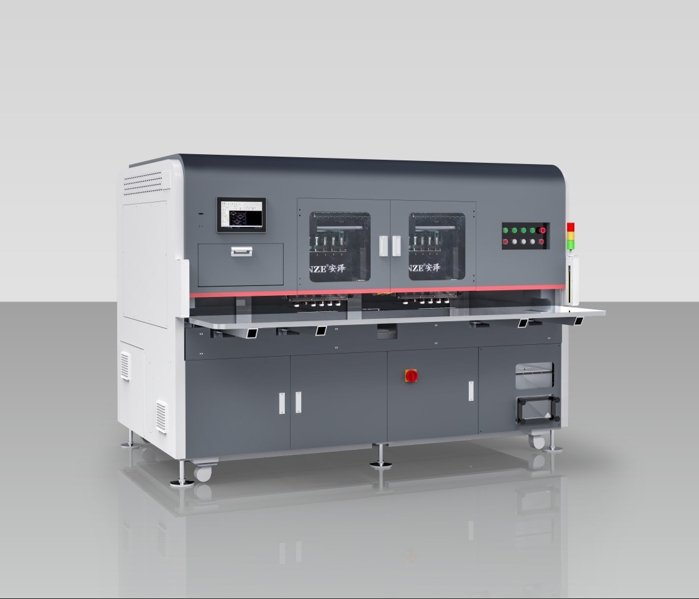
How Anze Leather Perforating Machine Technology Helps Create High-Performance Acoustic Leather Panels
In modern interior design, acoustic performance has become an increasingly important requirement for commercial spaces, luxury homes, automotive interiors, offices, hotels, theaters, and high-end meeting rooms.
Traditional acoustic materials such as fabric panels, foam absorbers, and mineral wool systems have been widely used. However, designers and architects are now looking for solutions that combine:
- Premium appearance
- Luxury texture
- Comfortable touch
- Interior decoration value
- Effective sound absorption
Perforated leather wall panels have become an innovative solution that combines the visual advantages of leather with acoustic functionality.
By creating carefully designed micro-perforation patterns on the leather surface, sound waves can enter the acoustic structure behind the leather layer, reducing sound reflection and improving noise control performance.
However, achieving excellent acoustic performance is not simply about creating more holes.
The perforation pattern, hole diameter, hole spacing, open area ratio, and leather processing quality all influence sound absorption results.
A professional leather perforating machine plays a critical role in achieving consistent acoustic performance because even small variations in hole size or spacing can affect the final acoustic characteristics.
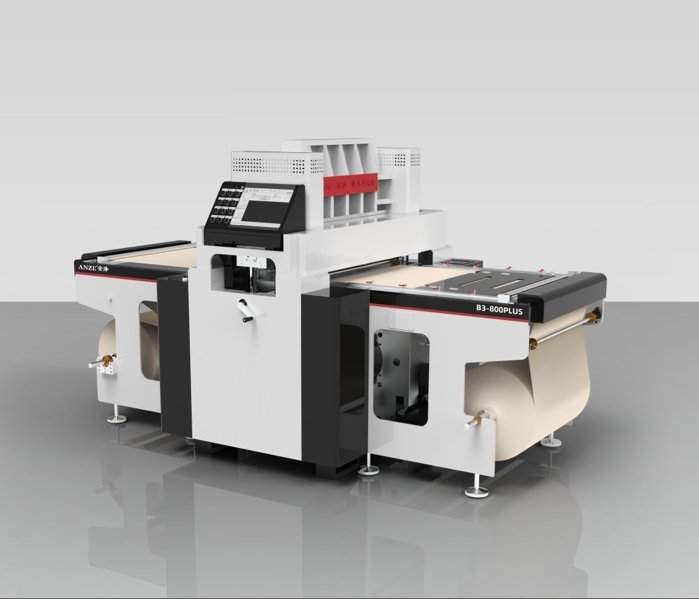
As an experienced leather perforation machine manufacturer with more than 20 years of engineering experience, Anze has developed over 20 types of leather punching equipment and provided customized perforation solutions for different industries.
Anze supports customers in acoustic leather applications by optimizing:
- Hole diameter
- Hole density
- Pattern design
- CNC processing accuracy
- Material protection
This article explores how acoustic perforation patterns influence sound absorption and how Anze leather perforating machine technology helps manufacturers produce high-quality acoustic leather wall panels.
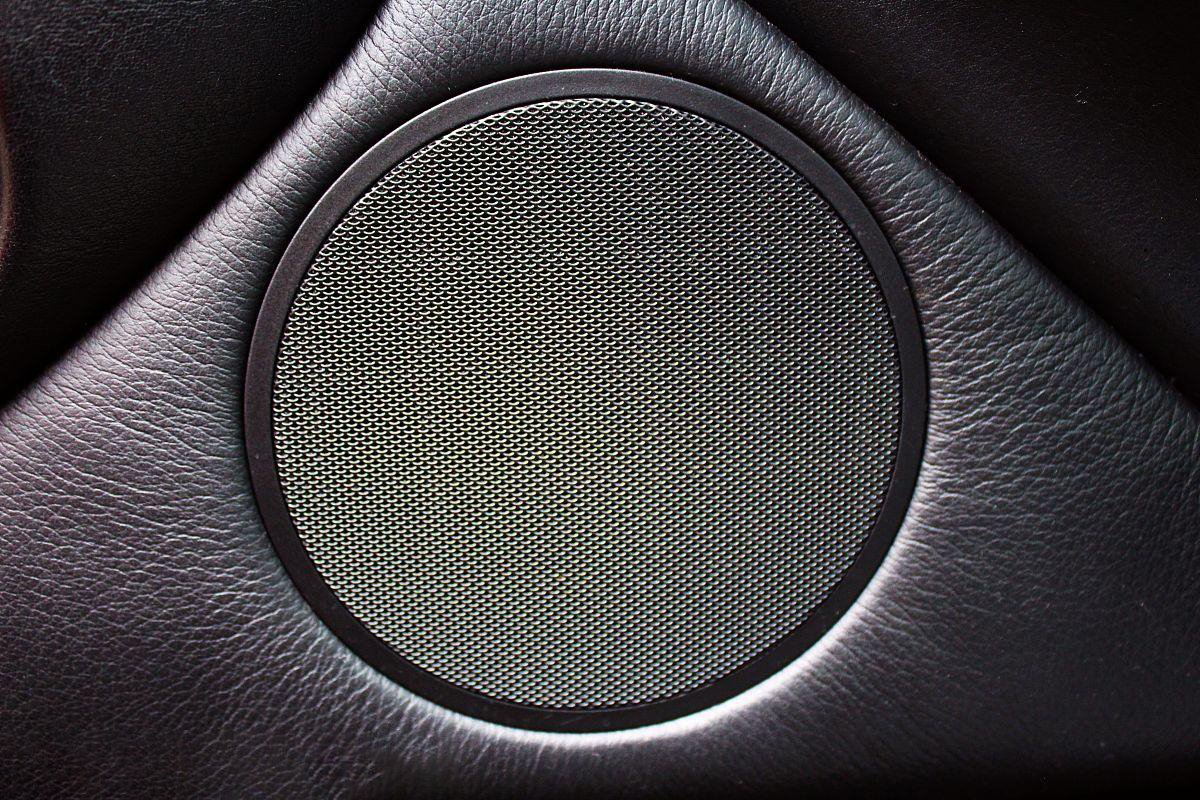
What Are Acoustic Perforated Leather Wall Panels?
Acoustic perforated leather wall panels are decorative panels made from leather or synthetic leather with precisely distributed holes on the surface.
The typical structure includes:
- Leather surface layer
- Perforated pattern layer
- Acoustic foam or fiber absorption layer
- Supporting structure
The leather surface acts as a decorative and protective layer, while the perforations allow sound energy to pass through into the absorption material.
The principle is similar to a micro-perforated acoustic absorber:
- Sound waves enter through the holes
- Air movement inside the holes creates resistance
- Acoustic energy is converted into heat energy
- Reflected sound is reduced
Therefore, the perforation design directly affects acoustic performance.
Why Leather Perforating Machine Technology Is Important for Acoustic Applications
For normal decorative leather products, minor hole variations may not be noticeable.
However, for acoustic leather panels, precision is essential.
A professional leather perforating machine must control:
- Hole diameter consistency
- Hole spacing accuracy
- Pattern repeatability
- Edge quality
- Material deformation
Incorrect perforation may cause:
- Uneven sound absorption
- Visual defects
- Reduced panel performance
- Poor product consistency
This is why acoustic leather manufacturers require specialized perforation equipment rather than ordinary punching machines.
How Hole Density Influences Sound Absorption Performance
One of the most important factors in acoustic leather design is hole density.
Hole density refers to the number of perforations within a specific area.
It directly affects:
- Airflow resistance
- Acoustic impedance
- Sound absorption coefficient
Low Hole Density Acoustic Leather Panels
Low-density perforation means fewer holes per square meter.
Typical characteristics:
- Higher leather surface coverage
- Stronger visual leather appearance
- Lower airflow passage
Advantages:
- Maintains premium leather texture
- Higher mechanical strength
- Suitable for decorative applications
Limitations:
- Lower sound absorption efficiency
- Reduced acoustic transparency
Low hole density is often used when designers prioritize appearance over maximum acoustic performance.
Medium Hole Density Acoustic Leather Panels
Medium-density perforation provides a balance between:
- Acoustic performance
- Leather appearance
- Structural strength
This is commonly used for:
- Office acoustic walls
- Luxury hotel interiors
- Automotive interior panels
A properly designed medium-density pattern can achieve excellent sound absorption while maintaining a premium surface appearance.
High Hole Density Acoustic Leather Panels
High-density perforation creates more openings on the leather surface.
Advantages:
- Better sound transmission
- Higher acoustic absorption potential
- Improved ventilation
However, excessive hole density may create problems:
- Reduced leather strength
- Higher processing difficulty
- Changed visual appearance
Therefore, high-density perforation requires accurate control from a professional leather perforating machine.
Is More Hole Density Always Better for Sound Absorption?
A common misunderstanding is:
“More holes always create better acoustic performance.”
This is not correct.
Sound absorption depends on a combination of factors:
- Hole diameter
- Hole spacing
- Open area ratio
- Backing material thickness
- Air cavity depth
- Acoustic foam characteristics
If the perforation ratio is too high:
- Air resistance may decrease
- Acoustic efficiency may decline
- Leather strength may be reduced
The optimal design requires engineering analysis.
The Relationship Between Hole Diameter and Acoustic Performance
Hole diameter is another key parameter.
Common acoustic leather perforation sizes include:
- 0.5mm micro holes
- 0.8mm holes
- 1mm holes
- 1.5mm holes
- Larger decorative holes
Micro-Perforation Using 0.5mm-0.8mm Holes
Micro-perforation has become increasingly popular in premium acoustic applications.
Advantages include:
- Nearly invisible perforation
- Luxury appearance
- Uniform surface texture
- Good acoustic performance
However, producing micro holes requires extremely precise equipment.
A high-performance CNC perforating leather machine can maintain:
- Stable hole diameter
- Accurate positioning
- Consistent patterns
Larger Hole Patterns for Acoustic Leather Panels
Larger holes allow more airflow.
They may provide:
- Higher acoustic transparency
- Faster sound transmission
However:
- The holes become more visible
- The leather appearance changes
- Structural strength decreases
Therefore, designers must balance aesthetics and acoustic requirements.
How Different Perforation Patterns Affect Acoustic Performance
The pattern arrangement also influences sound absorption.
Common patterns include:
Uniform Grid Patterns
Advantages:
- Easy design
- Stable acoustic behavior
- Simple production
Used for:
- Large wall panels
- Commercial interiors
Random Perforation Patterns
Advantages:
- Natural appearance
- Reduced visual repetition
Used for:
- Luxury interiors
- Designer acoustic panels
Decorative Geometric Patterns
Examples:
- Hexagonal patterns
- Wave patterns
- Custom brand patterns
Benefits:
- Improved visual identity
- Customized interior design
A CNC-controlled leather perforating machine allows manufacturers to create complex acoustic patterns.

How Anze Leather Perforating Machine Achieves Precise Acoustic Patterns
Anze understands that acoustic leather applications require more than basic punching.
Our equipment focuses on precision control.
1. High-Accuracy CNC Control System
The CNC system controls:
- Hole position
- Pattern movement
- Processing speed
- Repeatability
This ensures every leather panel maintains consistent acoustic characteristics.
2. Customized Perforation Solutions
Different acoustic projects require different solutions.
Anze engineers analyze:
- Leather thickness
- Surface treatment
- Backing material
- Acoustic target
Then recommend:
- Hole size
- Pattern density
- Processing method
3. Smooth Hole Edge Processing
For acoustic leather panels, hole edges must be clean.
Poor punching quality may cause:
- Fiber tearing
- Rough edges
- Surface damage
Anze leather perforation machine technology helps achieve:
- Smooth openings
- Reduced deformation
- Premium appearance
4. Stable Production for Large Acoustic Panels
Large wall panels often require long leather sheets.
Challenges include:
- Pattern alignment
- Material movement
- Consistent spacing
Anze machines provide accurate positioning solutions for large-scale production.
Applications of Acoustic Perforated Leather Panels
Luxury Interior Design
Applications include:
- Hotel walls
- Private residences
- Conference rooms
- VIP lounges
Benefits:
- Elegant appearance
- Improved acoustic comfort
Automotive Interior Acoustic Components
Perforated leather is widely used in:
- Door panels
- Headliners
- Interior trim
- Premium vehicle cabins
Acoustic performance improves passenger comfort.
Office Acoustic Solutions
Modern offices require:
- Noise reduction
- Privacy improvement
- Professional appearance
Leather acoustic panels provide both functionality and luxury design.
Leather Perforation Machine vs Traditional Manual Perforation for Acoustic Panels
Manual Punching
Problems:
- Low consistency
- Difficult pattern control
- High labor requirements
Automated Leather Perforating Machine
Advantages:
- High accuracy
- Stable production
- Repeatable patterns
- Lower labor cost
For acoustic applications, automation is becoming essential.
CNC Perforating Leather Machine Benefits for Acoustic Manufacturing
A CNC perforating leather machine provides significant advantages.
Flexible Pattern Development
Manufacturers can quickly create:
- New acoustic designs
- Customized patterns
- Small-batch products
Higher Production Efficiency
CNC automation reduces:
- Setup time
- Manual adjustment
- Production errors
Better Quality Control
Digital systems maintain:
- Hole spacing accuracy
- Pattern consistency
- Product repeatability
How Anze Supports Acoustic Leather Panel Manufacturers
Anze provides complete solutions, including:
Technical Consultation
We analyze:
- Product design
- Material structure
- Acoustic requirements
Equipment Selection
Solutions may include:
- CNC perforating leather machine
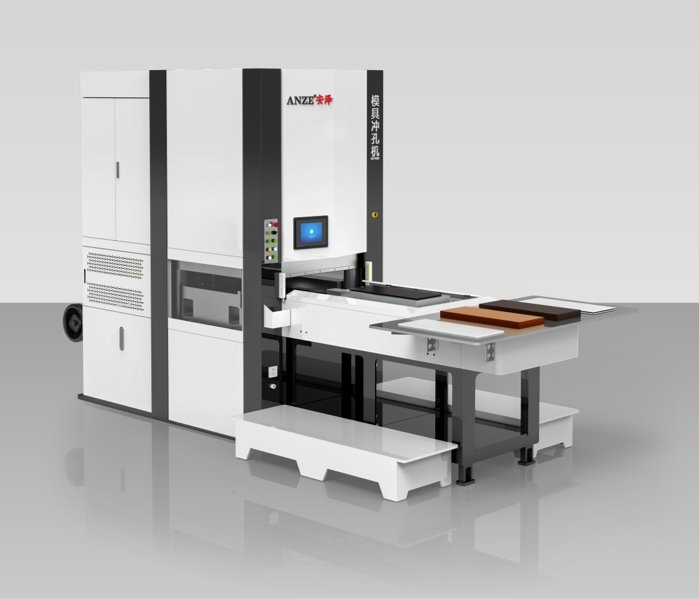
- Mold perforation equipment
- Automated punching systems
Production Optimization
Anze engineers help customers improve:
- Processing speed
- Product quality
- Manufacturing efficiency
Why Choose Anze as Your Leather Perforation Machine Manufacturer?
With 20 years of experience, Anze has become a trusted partner for global leather processing companies.
Our customers include:
- Acoustic panel manufacturers
- Automotive interior suppliers
- Furniture manufacturers
- Leather processing factories
More Than 20 Self-Developed Leather Punching Machines
Anze develops equipment for:
- Leather perforation
- Micro-perforation
- Decorative punching
- Acoustic leather processing
Customized Engineering Capability
Every acoustic leather project is different.
Anze provides solutions based on:
- Material characteristics
- Acoustic goals
- Production requirements

Future Trends of Acoustic Leather Perforation Technology
The future of acoustic leather manufacturing will focus on:
- Intelligent pattern optimization
- AI quality inspection
- Automated production control
- Digital acoustic design
Advanced leather perforating machine technology will continue helping manufacturers create smarter and more comfortable interior environments.
Choosing the Right Perforation Pattern for Acoustic Leather Panels
The best acoustic perforation pattern is not simply the one with the highest hole density.
Successful acoustic leather panel design requires balancing:
- Hole density
- Hole diameter
- Pattern structure
- Leather strength
- Acoustic performance
A professional leather perforating machine provides the precision needed to achieve consistent results.
With more than 20 years of experience, Anze provides customized solutions for acoustic leather wall panels, automotive interiors, and premium furniture applications.
Through advanced leather perforation machine technology and CNC perforating leather machine solutions, Anze helps manufacturers produce high-quality perforated leather products that combine luxury appearance with excellent sound absorption performance.
With an experienced and skilled team, we are familiar with all kinds of material characteristics and processing technology, and can customize perforating leather Machine according to customer needs. Any questions please contact us! Whatsapp +86 180 0298 0031
How to install and maintain the machine?
Some models are shipped assembled in the factory. Large equipment is packaged in several parts and an installation manual is provided. All equipment is equipped with user manuals in Chinese and English.
Customers can send someone to anze factory to learn or we send technical experts to provide on-site training
What are the machine working environment requirements?
The CNC Leather Punching Machine should be fixed on a stable table and the environment should be kept clean and tidy to avoid contact with dust, static electricity, humidity, and chips to cause parts failure.
How is your after-sales policies?
We have an experienced after-sales team 24h online service and a completafter-sale system. Factory trainning support, Video technical available to service machinery overseas. support, online support, Engineers.
Are you available for on-the-spot invitation?
Of course we do welcome to visiting our company and have a face-to-face communication to advance mutual business.
What's the delivery time?
Lead time varies depending on the order quantity and customization, typically ranging from 7 to 10 working days.If it is a custom leather punching machine order, it takes 1-2 months.